
How To
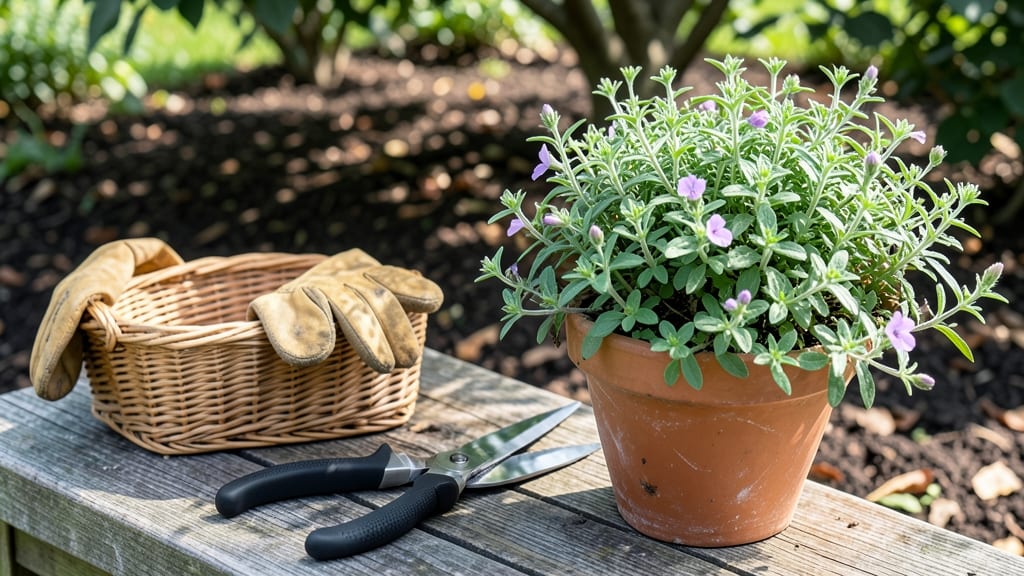
Harvesting lemon thyme 🍋 at the right time ensures bold flavor and keeps your plant thriving—here’s exactly when and how to do it without sacrificing future growth.
Picture this: you’ve spent months nurturing your lemon thyme, only to snip the wrong stems and watch its growth slow down or its aroma fade. That’s why timing and technique matter more than you might think.
Lemon thyme’s peak flavor comes just before flowering, when the leaves are plump and fragrant. Cutting too early can leave your plant stunted, while waiting too long risks woody stems and weaker taste.
In this guide, I’ll walk you through the best times to harvest, the right tools to use, and how to store your bounty—so you can enjoy fresh, vibrant thyme all season long without harming your plant.
Best time to harvest lemon thyme for maximum flavor & plant health
Timing your lemon thyme harvest is everything—cut too early, and the flavor won’t develop fully; wait too long, and the plant may bolting or lose its vibrant aroma. The key is harvesting when the plant is mature but before flowering, ensuring peak citrus notes and regrowth potential.
Understanding the optimal windows (morning vs. evening) and seasonal shifts will keep your plant thriving while maximizing flavor.
Lemon thyme thrives in USDA Zones 6a-10, with the best harvest windows spanning late spring through early fall. In my garden, I’ve found that June to September delivers the most potent flavor, aligning with the plant’s active growth phase.
However, even in cooler climates, you can extend harvests by protecting plants from early frost with row covers or containers.
Mistaking over-maturity for readiness is a common error. If you harvest too late, the leaves become woody and bitter, and the plant may stop producing new growth. The ideal moment is when stems are firm but flexible and leaves are plump with a strong lemon scent.
This usually happens 60-90 days after planting, depending on your climate.
Morning harvests are my top recommendation because the essential oils in lemon thyme are most concentrated after a cool night. Cutting in the early morning (before 10 AM) ensures you capture the peak aroma and avoid wilting from midday heat.
Evening harvests work too, but the flavor may be slightly muted due to daytime evaporation.
Harvest Before Flowering
Cut stems just before buds open to preserve citrus flavor and prevent bitterness. Flowering shifts energy away from leaves, dulling their aroma.
Morning Harvest Wins
Pick between 6-9 AM when essential oils peak after nighttime cooling. Avoid wilting from afternoon sun.
Seasonal Adjustments
Spring: Harvest new growth (60+ days old). Summer: Focus on established stems. Fall: Reduce cuts as days shorten.
Avoid Stressful Cuts
Never remove more than 1/3 of the plant at once. Over-harvesting causes dieback or stunted regrowth, especially in young plants.
Signs of Over-Harvesting
Watch for yellowing leaves, bare stems, or slow recovery after cuts. These mean your plant is under stress.
Seasonal shifts demand flexibility. In spring, prioritize new growth—harvest only the outermost stems to encourage bushiness. By summer, when the plant is fully established, you can trim multiple stems per harvest, but always leave at least 3-4 inches of growth to sustain the plant.
In fall, taper off harvests as daylight shortens, allowing the plant to store energy for winter.
Plant maturity directly impacts flavor intensity. Young plants (under 6 inches) should be harvested lightly—just a few leaves—to avoid stunting growth. Mature plants (12+ inches) can handle heavier pruning, but even then, focus on selective cuts to maintain shape and health.
I’ve noticed that second-year plants often produce the most potent flavor, thanks to established root systems.
One of the biggest mistakes I’ve seen is harvesting lemon thyme after flowering. Once buds open, the plant redirects energy to seed production, causing leaves to lose their citrus kick and become woody or bitter.
If you miss the window, you can still use the leaves, but they’re best for infusions or teas rather than fresh cooking.
To prevent dieback, always use clean, sharp pruners and make cuts just above a leaf node. This encourages new shoots to grow from the base, keeping your plant lush and productive.
After harvesting, give your plant a light drink of water to help it recover, especially if you’ve trimmed heavily.
Pro tip: Label your harvests by season. I keep a small notebook to track when I harvest and how the flavor compares. For example, July-cut thyme often has a brighter lemon note than September’s, which can be slightly earthier. This helps me plan ahead for year-round flavor consistency.
Step-by-step harvesting techniques: pruning, snipping, and regrowth secrets
Harvesting lemon thyme correctly ensures you get the brightest flavor while keeping your plant healthy and bushy. The key lies in using the right tools and techniques—and knowing how much to trim without causing stress.
Whether you're snipping sprigs for cooking or pruning for regrowth, these secrets will transform your harvests from mediocre to magnificent.
Start by gathering your harvesting tools. A pair of sharp pruning shears or clean scissors is essential for making clean cuts that heal quickly. Avoid dull tools, as they crush stems and invite disease.
I also recommend keeping a small bowl or basket nearby to collect your harvests—this keeps your workspace organized and prevents lost leaves.
Step-by-Step Harvesting Guide for Lemon Thyme
- 1 Choose the right time: Harvest in the morning after dew has dried but before the sun peaks. This ensures the highest oil concentration and flavor.
- 2 Identify healthy stems: Look for stems with 3-4 sets of leaves. Cut just above a leaf node (where leaves meet the stem) to encourage new growth from that point.
- 3 Make clean cuts: Use your pruning shears at a 45-degree angle, about 1/4 inch above the leaf node. This prevents water from pooling and reduces disease risk.
- 4 Limit cuts to 1/3 of the plant: Never remove more than one-third of the plant at once. Over-harvesting stresses the plant and can lead to stunted growth or even death.
- 5 Encourage bushiness: After harvesting, pinch off any flower buds that form. This redirects the plant’s energy into leaf growth instead of seed production, keeping your thyme lush and flavorful.
- 6 Water and fertilize post-harvest: Give your plant a deep watering and a light fertilizer (5-10-10) within a week to support regrowth. Avoid heavy fertilizers, which can burn tender new shoots.
One of the biggest mistakes I see is harvesting too aggressively or cutting stems too close to the base. This can leave your plant looking ragged and slow to recover. Instead, focus on selective pruning—targeting only the healthiest stems and leaving plenty of foliage behind.
Think of it like giving your thyme a haircut: you want to shape it, not shave it bald.
For regrowth hacks, try a technique called defoliation pruning. About once a month, trim back the oldest stems by half. This stimulates new growth from the base and keeps your plant compact and productive.
Just remember: less is more—your goal is to encourage, not overwhelm, the plant.
If your lemon thyme starts looking leggy or sparse after harvesting, it might be time to divide the plant. Gently dig up the root ball, separate the stems, and replant the healthiest sections.
This rejuvenates both the parent plant and gives you extra thyme for your garden or to share with friends.