
How To
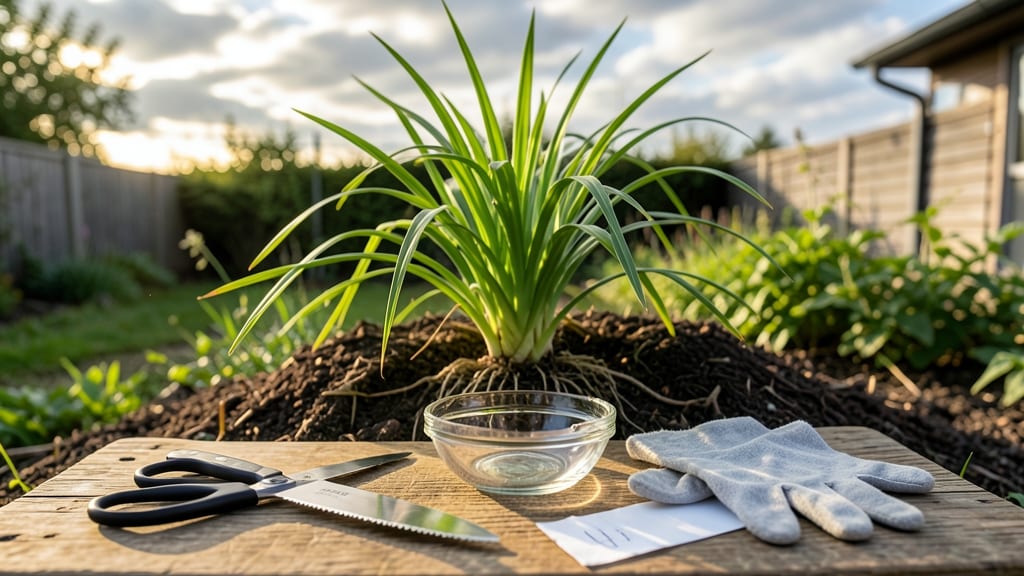
Harvesting lemongrass for tea means timing the cut to capture the brightest citrus notes before the stalks lose their potency.
Picture this: you’re about to steep a fragrant, golden brew that wakes up your senses—if you know the exact moment to harvest and dry this aromatic plant for peak flavor. Too early, and the stalks are woody; too late, and the oils fade.
The difference between a bold, zesty tea and a weak imitation comes down to when and how you harvest.
Lemongrass 🌿 thrives in USDA Zone 6a when planted in spring, and the best stalks for tea are 12-18 inches tall, firm, and bursting with that signature lemony scent.
Below, I’ll walk you through selecting the perfect stalks, the right cutting techniques, and how to dry them for the most flavorful cups—no guesswork involved.
Once you master these steps, you’ll never buy store-bought tea again. Discover how to preserve the freshness, avoid common mistakes, and even troubleshoot if your harvest turns out bland. Let’s get started!
When and how to harvest lemongrass stems for maximum tea flavor
Harvesting lemongrass at the right time transforms your garden into a flavor factory for homemade tea. The key lies in selecting stalks that are mature yet tender, packed with essential oils that deliver that signature citrusy punch.
Unlike many herbs, lemongrass doesn't regrow from cuttings—so timing your harvest ensures you get maximum yield without sacrificing future growth.
For the best tea flavor, aim to harvest when your lemongrass stalks reach 12-18 inches tall and have developed 3-4 healthy leaves near the base. This typically occurs 6-9 months after planting, though tropical climates may see faster growth.
The stalks should feel firm yet flexible, and crushing a leaf should release that unmistakable lemony aroma—a telltale sign of peak oil production.
Weather plays a crucial role too. Harvest on dry, sunny mornings after any overnight dew has evaporated. This prevents mold growth and preserves the volatile oils responsible for lemongrass's signature flavor.
Avoid harvesting after rain or in high humidity, as moisture can dilute the essential oils and lead to bacterial contamination during storage.
Now, let's break down the harvesting essentials in one easy reference:
When harvesting, always use a sharp pruning shear or clean kitchen knife to make a clean cut about 2 inches above the base. This encourages new growth from the base while leaving enough stalk to regrow.
Never pull stalks—this can damage the plant's roots and reduce future yields. After cutting, remove any yellow or wilted leaves from the stalks, as these can harbor bacteria and affect tea quality.
Pro tip: If you're harvesting multiple stalks, work from the outer edges inward to avoid shading the center of the plant. This ensures even sunlight exposure and consistent growth across your entire lemongrass patch.
In tropical climates, you can harvest year-round, while colder regions should limit harvesting to spring through early fall before frost sets in.
For the best tea flavor, focus on harvesting younger, tender stalks rather than waiting for them to become woody. Older stalks develop a bitter taste and lower oil content, which translates to weak tea.
Aim to harvest 30-50% of the stalks at one time to maintain plant health while still producing a bountiful yield for your tea stash.
Once harvested, your lemongrass stalks should be processed immediately to lock in freshness. Bundle them together and hang them in a well-ventilated, dry location out of direct sunlight. Proper drying preserves those aromatic compounds that make your tea taste like a tropical paradise.
We'll cover the best drying methods in our next section—so stay tuned for tips on air-drying vs. oven-drying for optimal results!
Remember, the healthier your plant, the more flavorful your tea. By mastering these harvesting techniques, you'll ensure every cup of lemongrass tea you brew is packed with that bright, citrusy goodness that makes it worth growing in the first place. Happy harvesting! 🌿
Step-by-step lemongrass drying methods for tea infusion
Once you’ve harvested your lemongrass stalks at the perfect 12-18 inch height, the next critical step is drying them properly to preserve their citrusy aroma and essential oils. The drying method you choose directly impacts the flavor intensity of your homemade tea.
Whether you prefer slow air-drying or quick dehydrator methods, each technique has unique benefits for your tea infusion goals.
For the best results, aim to dry your lemongrass within 24 hours of harvesting to lock in freshness. The goal is to reduce moisture content to 10-15% while avoiding over-drying, which can turn stalks brittle and lose their aromatic compounds.
Below, I’ll walk you through three proven methods—air-drying, oven-drying, and dehydrator-drying
For air-drying, bundle stalks together with rubber bands and hang them in a well-ventilated, shady spot away from direct sunlight. This method takes the longest but preserves the most volatile oils. Check daily—stalks are ready when the leaves crumble easily between your fingers and the stem snaps cleanly. If you’re short on time, oven-drying at 200°F (93°C) for 2-4 hours works wonders. Preheat your oven, lay stalks on a parchment-lined baking sheet, and prop the door open slightly with a wooden spoon to allow moisture escape. Monitor closely to avoid burning, as high heat can destroy flavor compounds. Using a dehydrator is my go-to for consistent results. Set it to 135°F (57°C) and arrange stalks in a single layer on trays. Rotate trays halfway through drying to ensure even moisture loss. Test dryness by bending a stalk—if it snaps crisply, it’s ready for storage. Once dry, strip the leaves from the stalks and store them in airtight containers like glass jars or resealable bags. Keep them in a cool, dark place to prevent oxidation. Properly dried lemongrass retains its aromatic oils for up to 6 months, making it perfect for brewing fragrant tea infusions all year round. Pro tip: Store dried lemongrass leaves whole for stronger tea or crush them lightly before brewing to release more essential oils. Always label your containers with the harvest date to track freshness—older stalks yield weaker tea.
Method
Prep Time
Drying Time
Equipment Needed
Best For
Air-Drying
5 minutes
7-14 days
Rubber bands, string, dry location
Patience, minimal equipment
Oven-Drying
10 minutes
2-4 hours
Oven, baking sheet, parchment
Quick results, small batches
Dehydrator
15 minutes
4-6 hours
Dehydrator, trays
Large batches, consistent heat