
How To
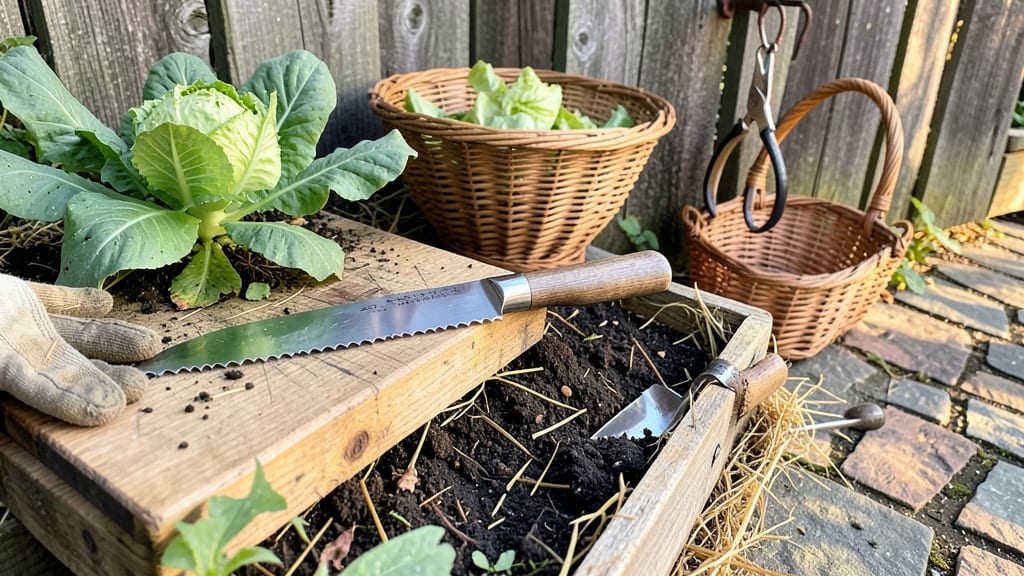
Harvesting lettuce from your garden at the right time ensures crisp, flavorful leaves 🥬—and the secret is knowing exactly when and how to pick them.
Fresh lettuce straight from your garden tastes nothing like store-bought—and knowing exactly when and how to harvest it ensures you get crisp, flavorful leaves every time.
Whether you're harvesting outer leaves or whole heads, the right technique keeps your plants happy and productive for weeks. In this guide, I’ll walk you through the best times to pick, the tools you’ll need, and how to extend your harvest season like a pro.
From avoiding bitterness to reviving wilted leaves, these simple steps will help you enjoy a steady supply of homegrown greens all season long.
When to harvest lettuce for maximum freshness and flavor
Nothing beats the crisp, sweet flavor of homegrown lettuce—when you harvest it at the perfect moment. The key lies in understanding your lettuce variety and watching for specific readiness signs like leaf size and texture.
Harvest too early, and you miss peak flavor; too late, and you risk bitterness or bolting—especially in hot weather. Let’s break down the ideal harvest windows for your garden.
Lettuce falls into three main categories: leaf lettuce (like romaine), butterhead (soft, tender leaves), and head lettuce (compact varieties like iceberg). Each type has its own harvest timing and maturity indicators.
For example, leaf lettuce can be harvested as soon as leaves reach 4-6 inches, while head lettuce needs 60 days to form a tight, crisp head. Knowing these differences ensures you pick your lettuce at its peak.
Timing your harvest correctly also prevents common issues like bolting (when lettuce sends up a flower stalk) or bitter taste, which happens when plants experience heat stress. If your garden is in USDA Zone 6a, aim for spring harvests in May-June and fall harvests in October-November.
In warmer climates, focus on early morning harvests to keep leaves crisp and cool.
Here’s how to tell when your lettuce is ready:
- Leaf size: Outer leaves should be 4-6 inches long and fully unfurled.
- Texture: Leaves should feel firm and crisp, not soft or wilted.
- Color: Vibrant, consistent color (no yellowing or browning).
- Age: Most varieties are ready in 45-60 days.
For leaf lettuce varieties, you can harvest individual leaves as they mature, which encourages continuous growth. Simply snip the outer leaves with a clean pair of scissors, leaving the inner leaves to keep growing.
This method works well for romaine and loose-leaf varieties like oakleaf or red leaf. I’ve found that harvesting this way extends my harvest season by 2-3 weeks compared to cutting the whole plant.
When harvesting head lettuce, wait until the head is fully formed and firm to the touch. If you harvest too early, the head won’t be as crisp, and if you wait too long, the lettuce may bolt or develop bitter flavors.
For varieties like iceberg or crisphead, look for a tight, rounded head with no signs of yellowing or loose leaves. Once ready, cut the entire head at the base with a sharp knife to avoid damaging the plant.
Heat is lettuce’s biggest enemy, causing it to bolt prematurely or taste bitter. To prevent this, use shade cloth (30-50%) during hot afternoons, especially in summer months.
I’ve also had success with succession planting: sow new seeds every 2 weeks in spring and fall to ensure a steady supply of fresh lettuce. This way, you’re always harvesting young, tender leaves instead of struggling with bolting plants.
If your lettuce starts to bolt (sends up a tall stalk), it’s a sign the plant is stressed—usually from heat or long days. While you can still harvest the leaves before the stalk forms, the flavor will be bitter and tough.
To avoid this, focus on cool-season planting (spring or fall) and provide consistent moisture to keep the soil cool. Mulching around the base of plants also helps regulate soil temperature and retain moisture.
Pro tip: Always harvest lettuce in the early morning when leaves are cool and crisp. This is when they’re at their peak flavor and texture. Avoid harvesting after a hot afternoon, as the leaves may wilt or taste bitter.
Store harvested lettuce in the crisper drawer of your fridge (or a sealed container with a damp paper towel) to keep it fresh for up to 5-7 days.
By mastering these harvest timing tips, you’ll enjoy a steady supply of crisp, flavorful lettuce all season long—no bitterness or bolting in sight! 🥬
Essential tools and techniques for clean lettuce harvesting
Harvesting lettuce the right way makes all the difference between crisp, flavorful greens and sad, wilted scraps. The key starts with the right tools and gentle techniques that protect your plants while giving you the best yield.
I’ve learned that using dull scissors or rough handling can damage stems, leading to bitter-tasting leaves or even stunted growth.
First, gather your harvesting essentials: a pair of sharp pruning shears or clean kitchen scissors, lightweight gardening gloves (to protect from dirt and thorns), and a shallow harvest basket or bowl lined with a towel.
These tools help you work efficiently while keeping your lettuce intact and your hands clean.
For leaf lettuce varieties like romaine or butterhead, you’ll want to harvest outer leaves first—this encourages the plant to keep producing new growth. Use your shears to cut just above a leaf’s base, leaving about 1/2 inch of stem behind to prevent damage to the growing point.
If you’re growing head lettuce like iceberg or crisphead, wait until the entire head is firm and compact. To harvest, grasp the base of the head firmly and give a gentle twist or use your shears to cut the entire stem cleanly at the soil line.
Avoid pulling—this can uproot the plant and leave it vulnerable to pests.
⚠️ Warning: Avoid These Harvesting Mistakes!
Rough handling can bruise lettuce leaves, making them bitter and unsightly. Never yank leaves from the stem—this tears delicate tissues and stresses the plant. Instead, use sharp tools and cut cleanly to preserve flavor and texture.
Harvesting in direct sunlight causes leaves to wilt faster. Always work in the early morning when leaves are crisp and hydrated. If you must harvest later in the day, store your lettuce in a shady, cool spot until you’re ready to wash and eat it.
Overcrowded plants produce small, tough leaves. Thin seedlings early to give each plant 12-18 inches of space. This ensures better air circulation and reduces the risk of disease, leading to larger, more tender harvests.
After harvesting, handle your lettuce with care. Rinse leaves under cool running water to remove dirt, then pat dry with a clean towel or paper towels. Store harvested lettuce in an airtight container lined with a paper towel to absorb excess moisture, and refrigerate for up to 5-7 days.
For leaf lettuce, you can even revive wilted leaves by soaking them in ice water for 15-20 minutes before using.
Pro tip: If your lettuce starts to bolt (sending up a flower stalk), harvest the outer leaves immediately and enjoy them while they’re still tender. Bolting is often triggered by heat stress or long daylight hours, so consider providing afternoon shade during hot summers to extend your harvest season.
With the right tools and techniques, you’ll enjoy a steady supply of fresh, crisp lettuce all season long—no bitterness or wilt in sight! 🥬