
How To
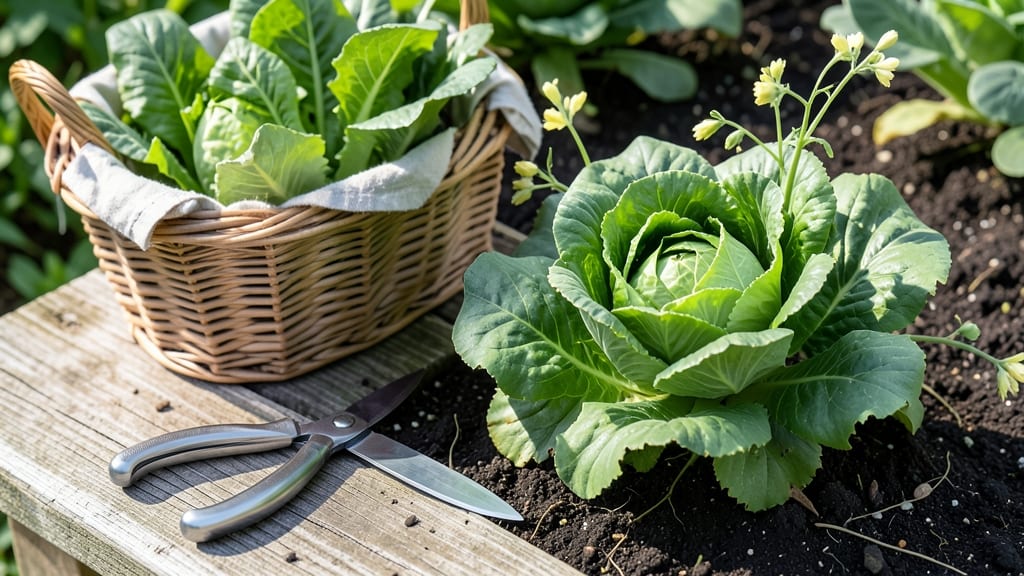
To harvest lettuce at its peak flavor and crispness, focus on timing and technique—especially when outer leaves reach 4–6 inches and the plant has 4–6 mature leaves.
Picture this: you’ve nurtured your 🥬 from seed, dodged pests, and kept the soil moist, only to wonder, "Why isn’t it tasting as fresh as the store-bought?" The answer lies in when you pick it—and how you do it.
Harvesting too early means underdeveloped flavor, while waiting too long risks bitter, tough leaves or bolting. The key is consistent checks for vibrant color, tender texture, and the right leaf size.
Below, I’ll walk you through the exact steps to harvest without damaging regrowth, the best tools to use, and how to store your bounty for maximum freshness.
When to harvest lettuce for best flavor and regrowth potential
Timing your lettuce harvest is everything—pick too early, and you miss peak flavor; too late, and your leaves turn bitter or bolt. The key lies in visual cues and variety differences.
For leaf lettuce (like butterhead or loose-leaf varieties), you can harvest repeatedly, while head lettuce (romaine, iceberg) needs a one-time harvest at full maturity. Understanding these distinctions ensures a steady supply of fresh, crisp greens.
Start by checking leaf size—outer leaves should reach 4-6 inches for ideal tenderness. Younger leaves are milder, but harvesting too early stunts growth. For head lettuce, wait until the entire head feels firm and reaches its full size, typically 30-60 days after planting.
Color also matters: vibrant, deep hues indicate maturity, while pale or yellowing leaves signal overripeness or stress.
| Variety Type | Harvest Timeframe | Maturity Cues | Regrowth Potential |
|---|---|---|---|
| Leaf Lettuce (Loose-Leaf) | 28-35 days | Outer leaves 4-6" long, tender | High (cut-and-come-again) |
| Butterhead Lettuce | 45-55 days | Head forms loosely, leaves soft | Moderate (harvest whole head) |
| Romaine Lettuce | 50-60 days | Tight head, crisp stems | Low (harvest entire plant) |
| Iceberg Lettuce | 70-80 days | Firm, dense head, pale green | None (full harvest) |
For cut-and-come-again varieties, focus on harvesting outer leaves first to encourage regrowth. Use clean, sharp scissors or pruners to snip leaves 1-2 inches above the base, leaving the inner rosette intact.
This method works best for loose-leaf varieties like oakleaf or red leaf, which can produce multiple harvests over 4-6 weeks.
Head lettuce, however, requires a single harvest at full maturity. Look for a tight, compact head with no visible gaps between leaves. If you notice the stem thickening or the top leaves yellowing, it’s time to act—delaying harvest can lead to bitter flavors or bolting (flowering).
For romaine, this means waiting until the head is crisp and upright, while iceberg should be harvested when fully dense and pale.
Avoid harvesting during peak heat (midday sun), as stressed plants develop bitter compounds. Instead, pick in the early morning when leaves are cool and hydrated.
Store harvested lettuce in the crispest drawer of your fridge (wrap in a damp paper towel) to extend freshness for 5-7 days. For regrowth, water deeply after harvest and apply a light nitrogen fertilizer to encourage new leaves.
Watch for bolting signs—tall flower stalks or yellowing leaves—which mean your lettuce is stressed by heat or drought. If this happens, harvest immediately or remove the plant to prevent seed production.
Successive planting in spring and fall avoids summer bolting, ensuring a continuous harvest throughout the growing season.
Pro tip: Space plants properly (12-18 inches apart) to reduce competition and improve air circulation. Overcrowded lettuce matures unevenly and is more prone to pests and disease. Thin seedlings early to give remaining plants room to thrive, and always harvest with clean tools to prevent spreading pathogens.
Remember, young leaves taste sweeter, but harvesting too early limits growth. Balance is key—aim for 4-6 mature outer leaves on leaf varieties or a fully formed head for romaine/iceberg. With practice, you’ll develop an eye for the perfect harvest window every time. 🥬
Step-by-step lettuce harvesting techniques for different varieties
Harvesting lettuce the right way depends on the variety you’re growing. Loose-leaf types like butterhead or oakleaf can be picked repeatedly, while romaine and iceberg need whole-head harvesting. The goal is to preserve flavor and encourage regrowth—if applicable—without causing stress to the plant.
For cut-and-come-again varieties, focus on harvesting outer leaves first to leave the inner growth intact. This method lets you enjoy a continuous harvest for weeks. Meanwhile, head lettuce varieties should be cut at the base when fully mature.
The key difference? Timing and tool choice—scissors for clean cuts, hands for delicate leaves.
How to Harvest Lettuce by Variety
-
1
Loose-Leaf Lettuce (e.g., Butterhead, Oakleaf)
- Pick outer leaves when 4–6 inches long.
- Use clean hands or sharp scissors to snip 1/3 of the plant.
- Leave 2–3 inches of stem to encourage regrowth.
-
2
Romaine Lettuce (e.g., Paris Island)
- Harvest whole heads when firm and upright.
- Cut 1 inch above the base with clean scissors.
- Avoid pulling—roots matter for regrowth potential.
-
3
Head Lettuce (e.g., Iceberg, Crisphead)
- Harvest when tightly packed and color is deep.
- Cut entire head at the base with sharp shears.
- No regrowth—treat as one-time harvest.
-
4
Tools & Tips for All Varieties
- Use sterilized scissors or pruning shears for clean cuts.
- Avoid tearing leaves—it damages the plant.
- Harvest in the morning for crispest texture.
Never harvest more than 1/3 of the plant at once for cut-and-come-again varieties—this prevents stress and bolting. If your lettuce starts tasting bitter or looks woody, it’s past its prime.
For head lettuce, timing is critical: wait until the head is fully formed but still firm to the touch.
After harvesting, rinse leaves gently in cool water to remove dirt, then pat dry with a clean towel. Store in the crisper drawer of your fridge for up to 5–7 days, or wrap in a damp paper towel to extend freshness.
For regrowth varieties, water deeply post-harvest to support new leaf production.
Pro tip: If your lettuce bolts (sends up a flower stalk), it’s a sign of heat stress or maturity. While you can still harvest leaves before bolting, consider shading cloth in hot climates to delay this process. With the right technique, you’ll enjoy homegrown lettuce for months—no store-bought needed!