
How To
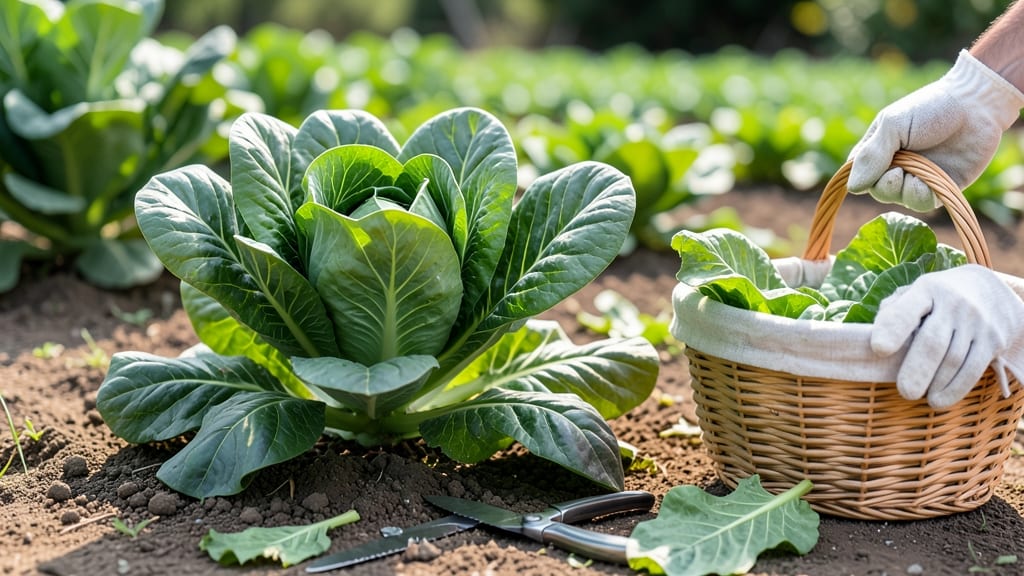
To harvest romaine lettuce from your garden at its peak, you’ll want to cut when the outer leaves reach 6-8 inches and the head feels firm—any later and you risk bolting or bitter flavors.
Romaine lettuce is one of the fastest-growing greens in your garden, yet timing your harvest is everything. One wrong move, and you could end up with loose, wilted leaves instead of crisp, flavorful heads.
The secret lies in knowing when to cut and how to do it without harming the plant.
Whether you’re harvesting outer leaves for a cut-and-come-again approach or picking whole heads, the right technique keeps your romaine producing for weeks. Below, I’ll walk you through the exact steps to maximize yield while avoiding common mistakes like overharvesting or picking too late.
You’ll also discover how to extend your harvest season, troubleshoot bolting, and store your lettuce so it stays fresh longer. Let’s get started!
When and how to harvest romaine lettuce for maximum crispness
Romaine lettuce thrives when harvested at the 30-60 day mark after planting, but timing varies based on your climate zone and seasonal conditions. In cooler spring or fall months, you’ll typically reach harvest 50-55 days after sowing, while summer heat may speed up maturity to 30-40 days.
The key is watching for visual maturity cues rather than relying solely on days since planting.
Look for deep green, elongated leaves that measure 6-8 inches long, with a tight, upright head forming at the center. The outer leaves should feel crisp and firm when touched, not floppy or wilted.
If you see yellowing or bitter-tasting leaves, it’s a sign the plant is bolting—a common problem when harvested too late or under heat stress.
Romaine’s harvest window is brief, so don’t wait for perfect conditions. Even a day or two past peak can turn your crisp lettuce into tough, bitter greens. For spring harvests, aim for May-June in most USDA zones, while fall harvests should occur in October-November before the first frost.
In warmer zones, you can extend harvests into early winter with row covers.
Here’s a quick reference for harvest readiness at a glance:
| Harvest Stage | Key Visual Cues | Days After Planting | Best Harvest Method |
|---|---|---|---|
| Early Harvest | Outer leaves 4-6" long, loose head | 30-40 days | Cut-and-come-again (outer leaves) |
| Peak Harvest | Tight head, 6-8" leaves, deep green | 50-55 days | Whole head or outer leaves |
| Late Harvest | Loose head, yellowing tips, bitter taste | 60+ days | Harvest all leaves (plant may bolt) |
The correct cutting technique preserves your romaine’s ability to regrow. For cut-and-come-again harvesting, use a sharp knife or clean scissors to snip the outer leaves just above the soil line.
This encourages the inner leaves to grow larger. For whole-head harvesting, cut the entire head 1-2 inches above the base at a 45-degree angle to maximize regrowth potential.
Avoid pulling leaves by hand, as this can damage the plant and leave it vulnerable to pests and disease. Always use sterilized tools to prevent spreading pathogens between plants.
After harvesting, rinse leaves immediately in cool water to remove dirt and pests, then pat dry gently with a clean towel or salad spinner to maintain crispness.
To prevent bolting, harvest romaine early in the day when temperatures are cooler. If you notice flower stalks forming, it’s too late for regrowth—harvest all remaining leaves immediately. For extended harvests, succession plant every 2-3 weeks throughout the growing season, ensuring a steady supply of fresh romaine.
In hot climates, provide afternoon shade and increase watering to daily in summer to delay bolting. Mulch around plants with straw or grass clippings to keep soil cool and moist. With these techniques, you can enjoy crisp romaine for 6-8 weeks per planting, depending on your climate.
Remember, romaine lettuce tastes best when harvested young. The longer you wait, the more bitter and fibrous the leaves become. By mastering these harvest timing and cutting techniques, you’ll enjoy restaurant-quality romaine straight from your garden all season long. 🥬
Step-by-step harvesting guide to avoid common mistakes
Now that you’ve identified your romaine lettuce is ready for harvest, the next step is using the correct cutting technique to preserve plant health and maximize yield. The wrong approach can lead to loose heads, bolting, or even plant death.
For cut-and-come-again harvesting, focus on removing only the outer leaves while leaving the inner core intact. This method extends your harvest by 3-4 weeks per planting.
If you prefer whole heads, time your harvest for when the center leaves are fully elongated and the head feels firm when squeezed. Cutting too early results in small, underdeveloped heads, while waiting too long leads to bitter, fibrous leaves.
The key is balance—harvest when the plant is at its peak but still has energy to regrow.
-
Step 1: Choose Your Harvest Method
Select between cut-and-come-again (outer leaves) or whole-head harvesting based on your needs. -
Step 2: Gather Your Tools
Use a sharp knife, clean scissors, or pruning shears (sterilized with rubbing alcohol). -
Step 3: Cut at the Right Angle
For whole heads, cut 1-2 inches above the base at a 45-degree angle. For outer leaves, snip just above the soil line. -
Step 4: Rinse Immediately
Plunge harvested leaves into cool water to remove dirt and pests, then pat dry with a clean towel. -
Step 5: Store Properly
Wrap in a damp paper towel, place in a sealed container, and refrigerate for up to 7 days. -
Step 6: Post-Harvest Care
Water the base thoroughly and apply compost tea to encourage regrowth. Avoid fertilizing for 1-2 weeks.
One of the most common mistakes gardeners make is overharvesting—removing too many leaves at once or cutting too close to the base. This stresses the plant and can trigger premature bolting.
To avoid this, never remove more than 1/3 of the plant in a single harvest. For whole heads, leave 1-2 inches of stem to allow the plant to regenerate.
If your romaine starts to bolt prematurely (sending up flower stalks), it’s a sign you waited too long or the plant experienced heat stress. In this case, harvest all remaining leaves immediately and compost the plant.
To prevent future bolting, provide afternoon shade in hot climates and keep soil consistently moist. Mulching with straw or grass clippings helps regulate soil temperature and moisture.
For loose heads that don’t hold together, check your watering habits. Overwatering or uneven moisture can cause heads to split or flop. Ensure your romaine receives 1 inch of water per week, delivered in the morning to reduce evaporation.
If you notice loose heads, trim any damaged outer leaves and support the plant with a small stake if needed.
With these steps, you’ll enjoy crisp, flavorful romaine for weeks and avoid the most common harvesting pitfalls. Happy harvesting! ✂️