
How To
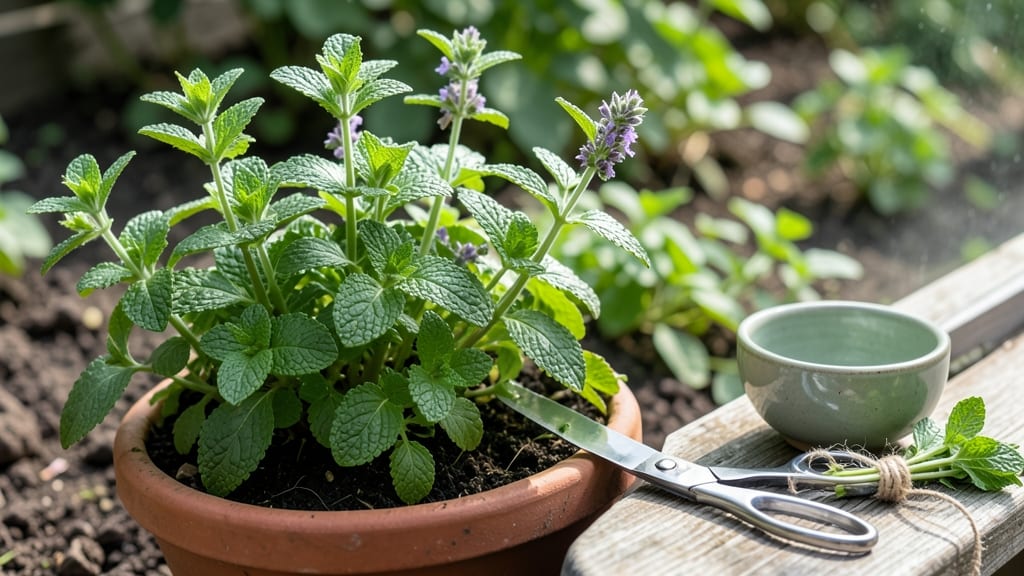
To harvest mint properly, you’ll want to trim just above a leaf node with clean scissors or fingers—this trick keeps your plant bushy and productive for months.
Fresh mint isn’t just a kitchen staple—it’s a fast-growing, low-maintenance plant that rewards proper harvesting with lush, continuous growth all year. But timing and technique matter: harvest too little, and you’ll stunt its vigor; harvest too much, and you risk killing your plant.
Most gardeners make the mistake of plucking leaves randomly, which weakens stems and slows regrowth. Instead, focus on cutting one-third of the plant at a time, always leaving at least 4-6 inches of new growth to encourage thicker foliage.
In this guide, I’ll walk you through the best tools, the ideal harvest window, and how to store your bounty so it stays fresh longer—plus, how to revive mint if you’ve over-pruned it.
When and how to harvest mint for maximum freshness and growth
Mint thrives when you harvest it correctly, but knowing the best time and proper technique makes all the difference. Unlike many herbs, mint grows back quickly after pruning, but cutting too much or at the wrong time can weaken your plant.
The key is to harvest when leaves are fully developed—usually 60-90 days after planting—and to use the right tools for clean cuts.
Seasonal timing also matters: early summer offers the first harvest window, while late summer to early fall provides the most robust growth. Avoid harvesting in winter unless you're in a frost-free zone, as mint slows down significantly.
Always prioritize leaf harvesting over stems to encourage bushier regrowth, and never take more than one-third of the plant at once.
✂️ Step-by-Step Mint Harvesting Guide
- 1 Choose the right time: Harvest in the morning after dew has dried, when essential oils are at their peak. Aim for early summer to late fall for best results.
- 2 Use clean tools: Grab sharp pruning shears or clean kitchen scissors. Avoid fingers to prevent crushing stems, which can damage the plant.
- 3 Cut above a leaf node: Make your cut just above a set of leaves where the stem meets the main plant. This encourages new growth from that node.
- 4 Harvest selectively: Focus on outer stems first, leaving the center intact. This prevents overcrowding and allows sunlight to reach all parts of the plant.
- 5 Avoid flowers: If your mint blooms, remove flower buds immediately. Flowers signal the plant to focus on seed production, reducing leaf growth by up to 50%.
- 6 Harvest regularly: Every 4-6 weeks, trim back one-third of the plant to maintain its shape and encourage dense foliage. This keeps mint productive for years.
Harvesting mint leaves is the most common method, but you can also collect stems for longer-lasting flavor. For stems, cut the entire branch at the base, then strip leaves individually.
This method works well for drying or making mint-infused oils. Just be sure to leave at least half the plant untouched to ensure regrowth.
Seasonal adjustments are crucial: in spring, mint grows slowly, so limit harvesting to 20% of the plant. By summer, it enters peak growth mode, allowing for more aggressive pruning.
In fall, reduce harvesting as the plant prepares for dormancy, but don’t stop entirely—light trims keep it healthy for next year.
One of the biggest mistakes gardeners make is harvesting mint too late in the season. If left unchecked, mint can become woody and less flavorful. Always aim to finish your last harvest by late September in most climates to avoid this.
Another tip: if your mint starts looking leggy or sparse, it’s a sign you’ve been harvesting too much—scale back for a few weeks to let it recover.
After harvesting, rinse the leaves under cool water to remove dirt, then pat dry gently with a paper towel. Store them in the refrigerator for up to 10 days or dry them for long-term use.
To dry, bundle stems and hang upside down in a dark, dry place for 1-2 weeks. Crushed dried mint retains flavor for up to 6 months.
Encouraging regrowth is all about balance. After each harvest, water your mint deeply to help it recover, and apply a light fertilizer if growth slows. Mulch around the base to retain moisture and protect roots.
With the right care, your mint plant can produce continuous harvests for 5+ years, making it one of the most rewarding herbs to grow.
Best practices for year-round mint harvesting without killing your plant
Mint thrives when you harvest it correctly, but aggressive pruning or poor timing can weaken your plant. Many gardeners accidentally kill their mint by taking too much too soon or using the wrong tools.
The key is balancing harvest frequency with plant recovery—especially in colder months when growth slows. With the right approach, you can enjoy fresh mint year-round without sacrificing your plant's health.
Before you reach for those leaves, understand that mint grows best when you prune regularly but never remove more than one-third of the plant at once. This rule prevents shock and encourages bushier, fuller growth.
Even in winter, mint can survive light harvesting if you adjust your technique. Let’s break down the common mistakes that lead to plant stress and how to avoid them.
⚠️ Warning: These Harvesting Mistakes Will Kill Your Mint
- Using fingers to pinch—This bruises stems and invites disease. Always use clean, sharp scissors or pruners.
- Harvesting flowers—Flowering signals the end of leaf production. Remove flower buds early to extend the harvest season.
- Over-pruning in winter—Mint grows slower in cold months. Reduce harvesting to once every 4-6 weeks.
- Ignoring soil moisture—After pruning, mint needs consistent watering to recover. Let soil dry slightly between waterings.
Start with the right tools for harvesting. While pinching leaves with your fingers might seem convenient, it often leads to uneven cuts and stunted growth. Instead, use clean, sharp pruning shears or scissors to make clean cuts just above a leaf node.
This encourages new growth from that point. For container-grown mint, trim stems to 3-4 inches to keep the plant compact and healthy.
Seasonal adjustments are critical for year-round mint harvesting. In spring and summer, mint grows aggressively, so you can harvest every 4-6 weeks. However, in fall and winter, reduce frequency to every 6-8 weeks or even less if temperatures drop below 40°F (4°C).
Always harvest on a dry, sunny day to prevent fungal issues and ensure faster drying if you plan to preserve the leaves.
If you’ve over-harvested and your mint looks wilted or leggy, don’t panic. Revive it by pruning back by half and focusing on water and sunlight. Increase watering slightly for 2-3 weeks and place the plant in bright, indirect light.
Avoid fertilizing until new growth appears—usually within 3-4 weeks. With proper care, your mint will bounce back stronger than before.
To keep your mint productive all year, follow this seasonal checklist:
- Spring: Harvest 3-4 times, remove flower buds, and fertilize lightly.
- Summer: Harvest every 4 weeks, prune to encourage bushiness, and water deeply.
- Fall: Reduce harvesting to once every 6 weeks and protect from frost.
- Winter: Harvest minimally, keep indoors if possible, and avoid overwatering.
With these practices, your mint will stay lush, productive, and healthy for years—no matter the season. The secret lies in balance: harvest enough for fresh use, but never so much that you weaken the plant. Soon, you’ll have a self-sustaining mint supply that rivals store-bought quality. Happy harvesting! 🌿