
How To
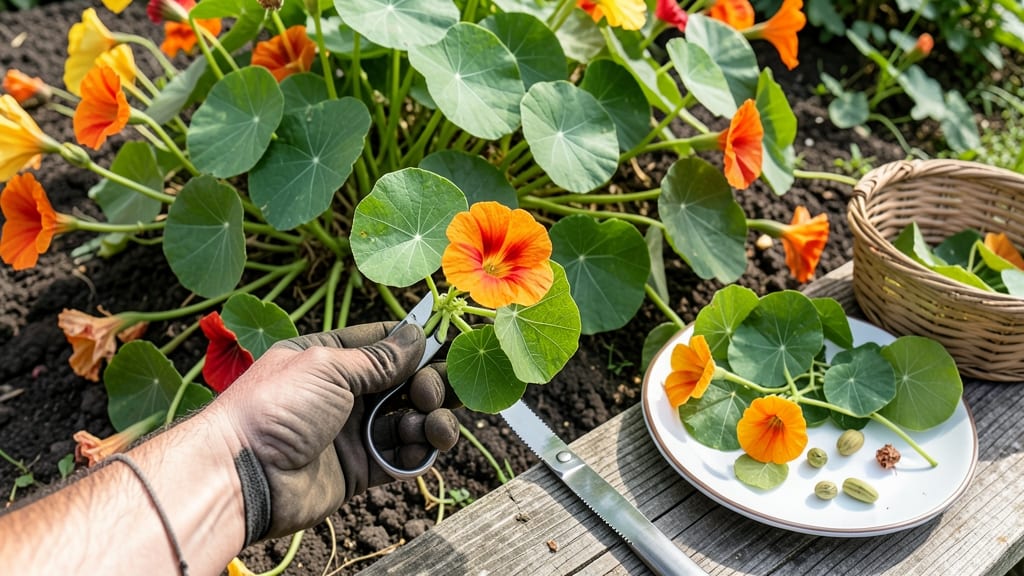
To harvest nasturtium 🌸 at their peak, focus on timing and technique—pick flowers before they fully open for the longest-lasting blooms and tender leaves.
Nasturtiums aren’t just beautiful—they’re edible, easy to grow, and thrive when you master the right harvesting techniques. Learn how to pinch flowers before they open to keep your plants blooming all season while ensuring a fresh supply of flavorful greens and blossoms.
Harvesting at the right moment makes all the difference. Flowers should be vibrant but still closed, while leaves are best when young and tender. A little effort now means a bigger, healthier harvest later.
In this guide, I’ll walk you through when to harvest, how to do it without damaging your plants, and even share tips for storing your bounty so you can enjoy it all season long.
When and how to pinch nasturtium flowers for continuous blooms
Pinching nasturtium flowers before they fully open is a game-changer for gardeners. This simple technique redirects the plant’s energy from seed production to producing more vibrant blooms and edible leaves.
Whether you're growing nasturtiums for their striking colors or culinary uses, mastering this skill ensures a longer harvest season and healthier plants.
Timing is everything with nasturtiums. The best time to pinch is when the buds are about 1 inch wide but haven’t yet opened. This usually happens 4-6 weeks after planting, depending on your climate.
If you wait until flowers fully bloom, the plant will focus on seed production instead of creating new buds.
You’ll need just a few tools: sharp pruning shears, clean gardening gloves, and a small bucket for discarded flowers. Always use sterilized tools to prevent spreading disease. I recommend pinching on a dry, sunny morning when the plant’s moisture levels are balanced, making it easier to handle.
Step-by-Step Guide to Pinching Nasturtium Flowers
- Step 1: Identify the right buds Look for buds that are 1 inch wide but haven’t opened yet. These are the perfect candidates for pinching.
- Step 2: Use clean tools Sterilize your pruning shears with rubbing alcohol. This prevents bacterial or fungal infections from spreading.
- Step 3: Pinch just above a leaf node Use your shears to snip the bud just above a leaf node. This encourages new growth from that spot.
- Step 4: Remove spent blooms Discard pinched buds in your compost or bucket. Never leave them on the plant, as they can attract pests.
- Step 5: Repeat weekly Check your nasturtiums every 5-7 days and pinch new buds as they form. Consistency is key!
Pinching isn’t just about timing—it’s also about frequency. For continuous blooms, I recommend pinching every 5-7 days throughout the growing season. This keeps your nasturtiums producing new flowers instead of focusing on seed production.
In hot climates, you may need to pinch more often because heat can cause buds to open faster.
One common mistake is pinching too aggressively. Never remove more than one-third of the plant’s buds at once. Over-pruning can stress the plant and reduce its ability to produce new growth. Instead, focus on selective pinching to maintain a balanced shape and encourage bushier growth.
Did you know pinching also boosts your nasturtium’s edible yield? When you remove buds, the plant redirects energy to producing larger, more flavorful leaves.
These leaves are perfect for salads, garnishes, or even pest control—just crush them to repel aphids! Harvest leaves in the morning when they’re at their crispest.
For trailing nasturtium varieties, like 'Alaska' or 'Black Velvet,' pinching encourages longer vines and more abundant flowers. If you’re growing nasturtiums in containers, pinch the tips of trailing stems to promote bushier growth and prevent them from becoming too leggy.
This is especially useful for balcony gardens where space is limited.
Finally, always pinch in the early morning when the plant is hydrated. This reduces stress on the plant and makes the task easier. After pinching, give your nasturtiums a light drink of water to help them recover quickly. With this technique, you’ll enjoy non-stop blooms from early summer until frost!
Pro tip: Use the pinched flowers in homemade pest sprays or as edible garnishes. Their peppery flavor adds a unique twist to dishes, and their vibrant colors make any plate pop. Happy pinching!
Harvesting nasturtium leaves and seeds: edible parts and their uses
Nasturtiums offer a triple harvest: leaves, flowers, and seeds, each with unique culinary or ornamental uses. The key to maximizing your yield lies in timing—harvest leaves when young for the best flavor, flowers before they fully open, and seeds when they’re fully mature but still firm.
For leaves, focus on the tender, younger growth near the plant’s base. These are packed with a peppery kick and are perfect for salads or garnishes. Mature leaves can still be used but may have a stronger, slightly bitter flavor.
Flowers, on the other hand, should be harvested just as they begin to open—this ensures they stay vibrant and delicate for up to a week in the fridge.
| Part to Harvest | Best Time to Harvest | How to Harvest | Storage Tips |
|---|---|---|---|
| Young Leaves | When 2-3 inches long | Pinch or snip with clean scissors | Wrap in damp paper towel, refrigerate up to 5 days |
| Flowers | Just before fully opening | Cut stem with 2-3 inches remaining | Place in water, refrigerate for up to 7 days |
| Seeds | When seed pods turn brown and dry | Twist or cut open pods to release seeds | Store in airtight container, keep dry and cool |
Don’t overlook the seeds—they’re a treasure trove for next year’s garden or for adding a mustard-like crunch to dishes. Harvest them when the seed pods turn brown and dry, usually in late summer or early fall.
To collect, gently twist the pods open or snip them off the stem, then shake out the seeds into a dry container. These seeds can be stored for up to 3 years if kept in a cool, dark place.
When harvesting, always use clean scissors or pruners to avoid damaging the plant. Cut just above a leaf node to encourage new growth. For leaves, you can also pinch them off by hand if you prefer a gentler approach.
The key is to avoid taking more than one-third of the plant’s foliage at once to keep it healthy and productive.
To preserve freshness, store harvested leaves in a sealed container lined with a damp paper towel in the fridge. Flowers can be stored similarly or placed in a vase with water to extend their life.
For seeds, ensure they’re completely dry before storing to prevent mold. With these tips, you’ll enjoy a bountiful harvest of edible nasturtiums all season long.
Pro tip: Use nasturtium flowers as edible garnishes or infuse their petals into oils for a unique flavor.
The leaves make a great peppery substitute for spinach in salads, and the seeds add a tangy crunch to trail mixes or baked goods—just remember, they’re not for cooking, only for gardening and edible uses!