
How To
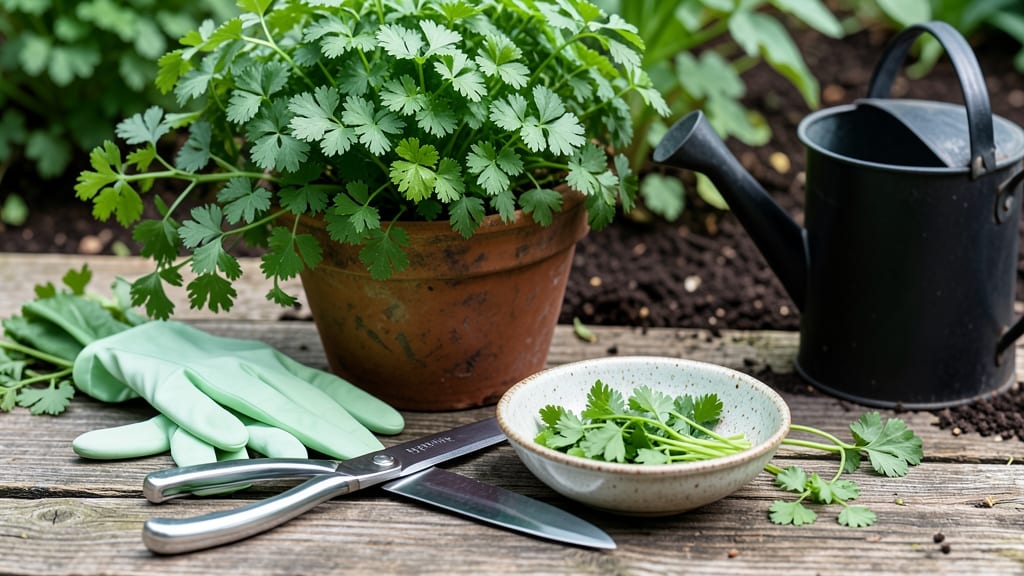
To harvest parsley without killing the plant, use the stem-snip method—cutting just above a leaf node to trigger new growth while keeping the root system intact.
Parsley is a resilient herb, but improper harvesting can stunt its growth—or worse, kill it. The secret to a thriving parsley plant lies in the stem-snip method, a technique that encourages regrowth while keeping your kitchen stocked with fresh leaves.
Unlike other herbs, parsley regrows from the base, so snipping the right way makes all the difference.
Timing matters just as much as technique. Harvest parsley in the morning after dew has dried, using clean, sharp scissors to avoid crushing stems. Focus on the outer stems first, leaving the center leaves to keep the plant strong.
This method ensures you get flavorful leaves without sacrificing future harvests.
In this guide, you’ll learn the exact cutting technique, how often to harvest for maximum yield, and what to watch for to keep your parsley thriving all season. Whether you're a beginner or a seasoned gardener, these tips will help you enjoy fresh parsley without harming your plant.
The correct way to snip parsley stems for maximum regrowth
Harvesting parsley the right way ensures your plant stays lush and productive for years. The key is targeting the outer stems while leaving the inner growth points intact. This method encourages regrowth without stressing the root system.
I’ve learned that cutting too close to the base or taking too many stems at once can weaken parsley, leading to stunted growth or even death.
Always use clean, sharp scissors or pruning shears to make precise cuts. Dull blades crush stems, which can introduce disease. I recommend sterilizing your tools with rubbing alcohol between plants to prevent contamination.
The best time to harvest is in the morning after dew has dried, when the plant is hydrated and resilient.
Here’s my step-by-step guide to snipping parsley stems for maximum regrowth:
After harvesting, I always rinse the stems under cool water to remove soil and debris. This step prevents dirt from clogging the leaves and keeps your parsley fresh longer. Store harvested stems in a glass of water in the fridge for up to a week, just like fresh flowers.
If your parsley looks wilted or sparse after harvesting, it might need a break. Let it recover for 4-6 weeks before harvesting again. During this time, focus on watering deeply and ensuring it gets 4-6 hours of sunlight daily.
Mulching around the base helps retain moisture and encourages root health.
One common mistake I see is cutting stems too close to the ground. This removes the regrowth nodes and can kill the plant. Always leave at least 1-2 inches of stem above the soil.
Another tip: avoid harvesting in extreme heat or freezing temperatures, as the plant is more vulnerable to stress.
With this method, my parsley plants have thrived for 3+ years, providing fresh leaves year-round. The secret is patience and precision—treating your parsley like a perennial garden staple rather than a quick harvest. 🌿
How often to harvest parsley: frequency guide by growth stage
Harvesting parsley too often or too aggressively can weaken its root system, leading to stunted growth or even death. The key is balancing harvest frequency with the plant's ability to recover.
Young parsley plants need gentler treatment compared to mature ones, and seasonal changes also play a role in determining the best harvesting schedule.
For young parsley plants (under 60 days old), limit harvesting to once every 3-4 weeks. Focus on removing just 2-3 outer stems per plant to avoid stressing the delicate root system. This early-stage approach encourages robust root development, setting the stage for future harvests.
Once parsley reaches maturity (60-90 days), you can increase harvest frequency to every 2-3 weeks. At this stage, the plant can handle more aggressive harvesting—up to one-third of its foliage—as long as you always leave the central leaves intact to fuel regrowth.
⚠️ Warning: Over-Harvesting Signs & Recovery Tips
Yellowing leaves or stunted growth mean you're harvesting too much. If you see these signs:
- ✅ Stop harvesting for 4-6 weeks to recover
- ✅ Fertilize lightly with a balanced 5-10-10 mix
- ✅ Water deeply 2x weekly to support regrowth
- ✅ Avoid cutting more than 1 stem at a time
Parsley can recover from over-harvesting, but it may take 6-8 weeks to bounce back fully.
Seasonal adjustments are crucial for parsley health. During spring and fall, when growth is slower, reduce harvesting to once every 4 weeks.
In summer's peak growing season, when parsley thrives, you can harvest every 2 weeks—just ensure you're not removing more than 30% of the plant in any single session.
Always harvest parsley in the morning after dew dries for maximum flavor and plant resilience. This timing allows the plant to recover during the day's warmth. Avoid harvesting in late afternoon or evening, as this can stress the plant overnight.
Pro tip: Mark your calendar with harvest dates to avoid overdoing it. A simple quarterly schedule (every 3 months) works well for most gardeners, with adjustments based on your parsley's specific growth rate and seasonal conditions.