
How To
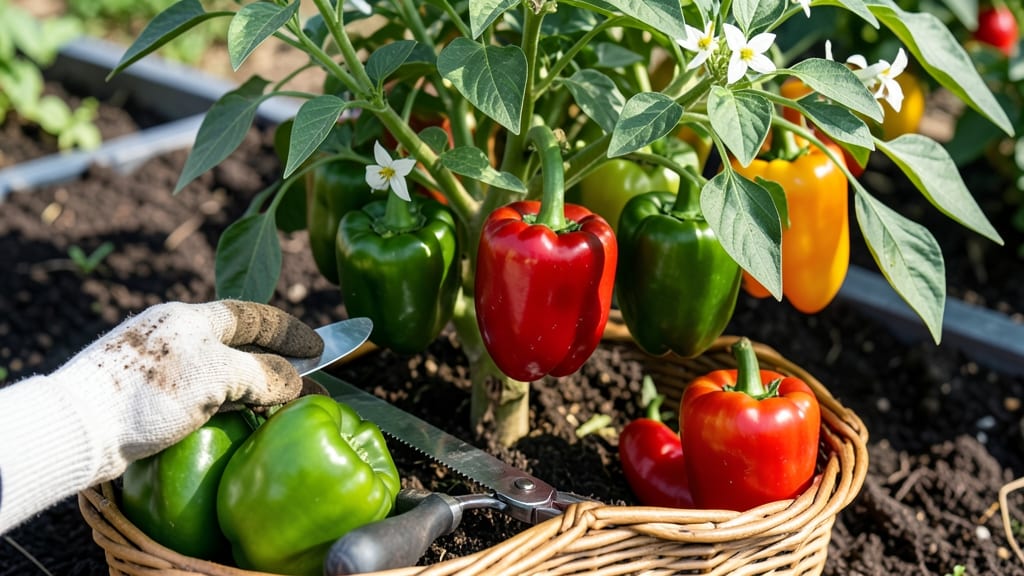
Harvesting peppers at the perfect moment means the difference between a crisp, flavorful bite and a meal ruined by bitterness or wasted effort.
Picture this: you’ve nurtured your 🌶️ peppers all season, and now they’re finally ready—but how do you know for sure? Picking too early can stunt growth, while waiting too long risks overripe, mealy peppers.
The good news? Three simple tactile tests will tell you exactly when to snip, ensuring every harvest is perfect.
From checking firmness to watching for color shifts, these tricks work for bell peppers, jalapeños, and everything in between. No guesswork, no wasted produce—just a foolproof way to know when your peppers are at their peak.
Below, I’ll walk you through the 3 key tests, how to harvest without damaging the plant, and even how to store your bounty for weeks (or months) of fresh flavor. Ready to turn your garden into a pepper powerhouse?
3 Tactile tests to determine when peppers are ready for harvest
Harvesting peppers at the perfect moment ensures the best flavor, texture, and even plant productivity. Unlike some fruits that ripen off the vine, peppers must be picked at the right stage—or you risk bitterness, overripe softness, or wasted energy from your plant.
The key? Trust your hands and eyes with these three tactile tests that work for bell peppers, jalapeños, serranos, and other varieties. These methods skip guesswork and let you feel the difference between "not quite there" and "perfectly ripe."
I’ve tested these techniques across my garden’s bell pepper bushes and hot pepper plants for years, and they’ve never failed. The first test focuses on firmness, which tells you whether the pepper has fully matured.
The second checks for color consistency, a visual cue that’s often overlooked in favor of touch. The third test—cap detachment—is my favorite because it’s a quick way to confirm ripeness without damaging the plant. Let’s dive into each one with step-by-step guidance.
🌶️ Numbered Highlights: 3 Tactile Tests for Pepper Ripeness
- 1
- 2
- 3
Let’s start with the firmness test, which is my go-to for bell peppers because they’re prone to becoming mealy if overripe. Pinch the pepper gently between your thumb and forefinger. A ripe pepper should give slightly under pressure but not feel mushy.
For example, my California Wonder bell peppers are ready when they’re glossy and firm enough to hold their shape when squeezed. If you see wrinkles or dents, it’s past its prime. This test is especially critical for hot peppers like jalapeños, which can turn bitter if left too long.
The cap detachment test is a game-changer for jalapeños and serrano peppers, where size can be deceiving. Grab the pepper’s stem cap and twist it gently. If it detaches with a clean snap—like unscrewing a jar lid—it’s harvest-ready.
I’ve found that jalapeños often pass this test a few days before they’re fully colored, so combine it with the color check. Pro tip: Use this test in the morning when peppers are firmer and less prone to bruising during handling.
Color is the most obvious cue, but it’s easy to misjudge without knowing what to look for. For bell peppers, fully ripe colors range from deep red, yellow, or orange, depending on the variety.
Hold the pepper against a white background to spot uneven green patches, which signal it’s not ready. My Carolina Wonder peppers, for instance, turn a vibrant red when ripe, but they’ll stay greenish-yellow if harvested too early.
For green pepper varieties, look for a glossy, firm skin without dull spots.
One common mistake I see is harvesting peppers based on size alone. A pepper might be large but still underripe if it’s pale or soft. Always combine the firmness and color tests for accuracy.
For example, a 6-inch jalapeño might look big, but if it’s still green and feels spongy, it needs more time. Conversely, a small but firm and colored pepper is often riper than a larger, underdeveloped one. This is why tactile tests matter more than measurements.
Timing your harvest also depends on your goals. If you’re growing peppers for fresh eating, aim for peak ripeness. But if you’re drying or pickling, you can harvest slightly earlier when they’re still firm and glossy.
For long storage, pick peppers when they’re fully colored but not yet soft. I’ve had great success storing red bell peppers in the fridge for up to two weeks when harvested at this stage.
Always use a sharp pair of pruning shears or clean scissors to avoid damaging the plant.
What if your peppers are overripe? Don’t toss them! Overripe peppers can still be used in cooked dishes or fermented for hot sauces. Their flavor intensifies, and the heat in jalapeños or serranos becomes more pronounced.
For storage, place them in a paper bag in the fridge to slow ripening. If you’re unsure whether a pepper is ready, err on the side of waiting—peppers won’t ripen further once picked, but they’ll keep on the plant until they’re perfect.
Finally, remember that pepper varieties ripen at different rates. Bell peppers typically take 60-90 days to mature, while jalapeños and serranos may be ready in 70-80 days. Keep a harvest journal to track your plants’ progress, noting when they pass each tactile test.
Over time, you’ll develop an instinct for ripeness that goes beyond the tests. Happy harvesting—and may your peppers be plentiful and delicious! 🌱
Step-by-step guide to harvesting peppers without damaging the plant
Once you’ve identified your peppers are ripe using the 3 tactile tests, the next step is harvesting them properly. The method you choose—cutting or twisting—can make all the difference in keeping your plants healthy and productive.
Twisting might seem faster, but it can tear stems and invite disease, while cutting too close risks damaging the plant’s vascular system. I’ve found that using a clean, sharp pair of pruning shears or even a knife is the gentlest approach for most varieties.
Timing your harvests is just as critical. For bell peppers and jalapeños, picking in the morning ensures they’re hydrated and firm. Avoid harvesting after heavy rain or late in the day, as peppers can be softer and more prone to bruising.
If you’re growing multiple varieties, prioritize the ones that mature fastest—this encourages your plants to produce more fruit throughout the season.
How to Harvest Peppers Like a Pro
- 1 Gather your tools: Use sterilized pruning shears or a sharp knife. Avoid fingers to prevent bruising or disease transfer.
- 2 Locate the stem: Find the stem attachment point where the pepper meets the plant. This is where you’ll make your cut.
- 3 Cut cleanly: Angle your shears or knife at a 45-degree angle, cutting about 1/4 inch above the stem. This prevents water from pooling and reduces rot risk.
- 4 Avoid twisting: Never twist peppers off—this can tear stems and invite pests. If a pepper resists cutting, it may not be fully ripe yet.
- 5 Harvest regularly: Pick peppers every 2-3 days during peak season to encourage more production. Overripe peppers drain the plant’s energy.
- 6 Inspect the plant: After harvesting, check for pests or diseases. Remove any damaged leaves or fruit immediately to prevent spread.
After harvesting, your peppers need immediate care to stay fresh. Place them in a single layer on a tray, stem-side down, in a cool, shaded spot for a few hours. This mimics their natural environment and prevents condensation buildup, which can lead to mold.
If you’re not using them right away, store them in the crisper drawer of your fridge, where they’ll keep for up to 2 weeks. For long-term storage, consider freezing or drying—both methods preserve flavor and texture beautifully.
One of my biggest lessons? Don’t overlook post-harvest plant care. After a big harvest, give your pepper plants a light fertilizer boost with a balanced 10-10-10 mix to replenish nutrients. This encourages new growth and ensures your plants keep producing until the first frost.
If you notice yellowing leaves or stunted growth after harvesting, it might be a sign of nutrient deficiency or overcrowding. In that case, prune any excess foliage to improve airflow and reduce stress on the plant.
With these techniques, you’ll not only harvest peppers at their peak but also keep your plants thriving all season long. The key is consistency—regular harvesting, gentle handling, and attentive post-harvest care.
Soon, you’ll be the envy of your neighborhood with a pepper plant that’s always bursting with fresh, flavorful fruit! 🌱