
How To
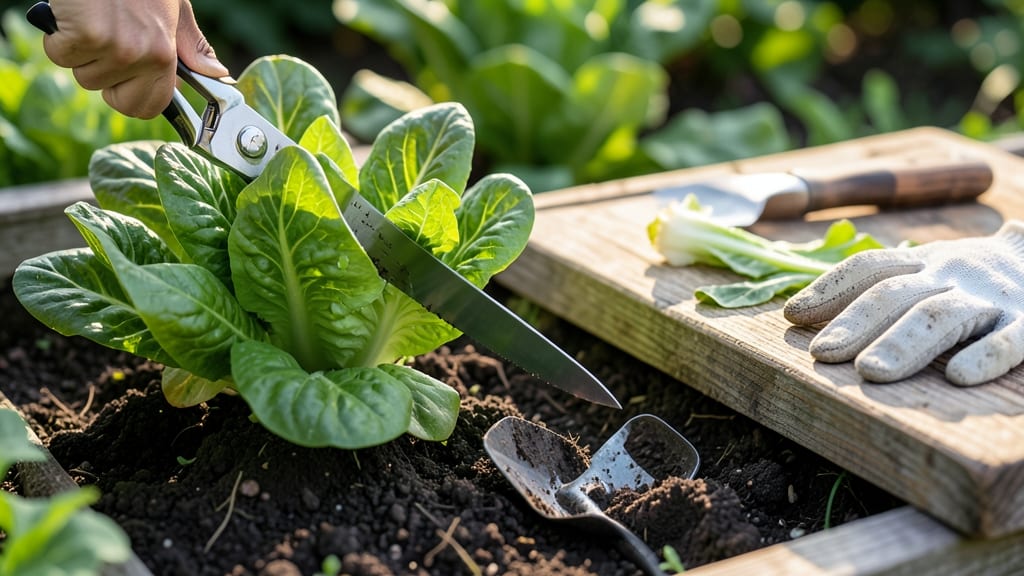
Harvesting romaine lettuce so it keeps growing means cutting outer leaves just above the base — a simple trick that turns one plant into a never-ending salad bowl.
Struggling to get a steady supply of crisp romaine lettuce? The secret to endless harvests lies in proper leaf-by-leaf harvesting—without sacrificing plant health or flavor.
Most gardeners either pull the whole head or wait until the plant bolts, but the real magic happens when you treat your 🥬 romaine like a living crop.
Timing and technique are everything. Cutting at the right moment—when outer leaves reach 6-8 inches—lets the inner leaves keep growing while you enjoy fresh greens. Skip the sharp scissors and use clean shears to avoid damage, then water deeply to encourage regrowth.
Below, I’ll walk you through the exact steps, from choosing the perfect leaves to post-harvest care that keeps your romaine thriving for months. No more wasted plants—just a continuous supply of homegrown goodness.
Step-by-step guide to harvesting romaine lettuce without killing the plant
Harvesting romaine lettuce the right way ensures you get crisp, flavorful leaves while keeping your plant healthy and productive. The key is to cut outer leaves only, leaving the inner growth point intact.
This method allows your plant to regenerate, giving you a continuous harvest for weeks or even months. If you’ve ever wondered why your romaine stops growing after a few cuts, it’s likely because you’re removing too much at once or cutting incorrectly.
Before you grab your shears, gather the right harvesting tools and know the best time to pick. Using a sharp knife or clean scissors prevents tearing leaves, which can invite pests and disease.
The ideal time to harvest is in the morning after dew has dried, when leaves are crisp and full of moisture. This timing also helps reduce stress on the plant, making regrowth smoother.
Now, let’s dive into the exact steps to harvest romaine lettuce without killing your plant. Follow these instructions carefully to maintain a thriving crop and enjoy fresh greens all season long.
How to Harvest Romaine Lettuce for Regrowth
- Step 1: Wait for the Right Size Harvest when outer leaves reach 6-8 inches in length. This ensures the plant has stored enough energy to regrow. Smaller leaves mean less regrowth potential.
- Step 2: Use the Right Tools Grab a sharp knife or clean pruning shears. Dull tools crush stems, slowing regrowth. Sterilize blades with rubbing alcohol to prevent disease spread.
- Step 3: Cut at the Base Hold a leaf firmly and cut it just above the lowest set of leaves. Avoid cutting into the inner rosette—this is where new growth emerges.
- Step 4: Leave the Core Intact Never remove more than 1/3 of the plant at once. The inner leaves and growing point must stay undisturbed to produce new foliage.
- Step 5: Harvest Outer Leaves First Always pick from the outermost leaves, working your way inward. This protects the tender inner leaves from sun exposure and damage.
- Step 6: Space Harvests 1-2 Weeks Apart Give your plant 1-2 weeks between harvests to recover. Over-harvesting weakens the plant, reducing future yields and flavor.
- Step 7: Water and Fertilize After Harvesting Water deeply right after cutting to replenish moisture lost during harvest. Apply a balanced fertilizer (10-20-10) to encourage regrowth.
After harvesting, monitor your romaine lettuce for signs of healthy regrowth. Within a few days, you should see new leaves emerging from the center. If growth slows, check for pests, disease, or nutrient deficiencies.
A yellowing base or stunted growth may mean your plant needs more nitrogen or water. Adjust your care routine accordingly to keep your crop thriving.
One common mistake is cutting too close to the center or removing entire heads at once. This severs the plant’s ability to regenerate. Instead, think of harvesting as pruning a shrub—you’re shaping the plant to encourage bushier, fuller growth.
With patience and the right technique, your romaine lettuce can produce harvests for 6-8 weeks or longer, depending on your climate and care.
For container-grown romaine, follow the same steps but be extra gentle. Pots dry out faster, so water more frequently after harvesting. If your plant is in partial shade, it may grow slower, but it will still regenerate if you follow the cutting guidelines.
Always ensure your container has drainage holes to prevent root rot, which can kill your plant quickly.
Pro tip: Label your plants if you’re growing multiple varieties. Some lettuces, like butterhead or loose-leaf, handle harvesting differently. Romaine, in particular, thrives when you focus on outer leaf removal. Keep a small notebook to track harvest dates and plant responses—this helps you refine your technique over time.
With these steps, you’ll enjoy a steady supply of romaine lettuce all season. The key is consistency: harvest regularly, cut correctly, and provide optimal care. Soon, your garden will be the envy of neighbors, and your salads will never go bare again!
Best practices for continuous romaine lettuce growth after harvesting
Harvesting romaine lettuce doesn't have to mean the end of your leafy greens supply. With the right post-harvest care, your plants can keep producing for weeks or even months. The key is maintaining proper watering schedules, nutrient balance, and optimal growing conditions to encourage regrowth.
After harvesting, romaine lettuce plants often look wilted or exhausted, but with consistent care, they'll bounce back stronger. I've found that focusing on three critical areas—water, nutrients, and sunlight—makes all the difference in getting continuous harvests.
Let's break down exactly what your plants need to thrive after each cutting.
🌱 Key Takeaway: How to Harvest Romaine Lettuce So It Keeps Growing
- Cut outer leaves only, leaving inner leaves intact to keep growing
- Use clean scissors and cut 1/3 of plant height at a time
- Water deeply immediately after harvest to restore moisture
- Apply nitrogen-rich fertilizer every 4-6 weeks during active growth
- Provide 4-6 hours sunlight daily and partial shade in hot climates
"Harvesting correctly is like giving your lettuce a haircut—leave enough behind so it can grow back thicker and healthier!"
Your watering schedule is the first priority after harvesting. Romaine lettuce needs consistent moisture to recover quickly. Water deeply every 2-3 days in spring and fall, but increase to daily watering during hot summer months.
The soil should stay evenly moist but never soggy—this prevents root rot while keeping leaves crisp.
Fertilization plays a crucial role in encouraging regrowth. Use a balanced 10-20-10 NPK fertilizer every 4-6 weeks during active growth seasons. I recommend applying it in the early morning when plants are dry to avoid leaf burn.
For organic options, compost tea or fish emulsion work wonderfully to boost nitrogen levels without harsh chemicals.
Don't overlook your sunlight requirements—romaine thrives with 4-6 hours of sunlight daily. While it tolerates partial shade, too little light leads to leggy, pale growth.
Position your plants near an east or west-facing window if growing indoors, or provide afternoon shade in hot climates to prevent bolting (when plants flower prematurely).
Knowing when your plant is ready for another harvest is just as important as the care you provide. Look for new outer leaves reaching 6-8 inches in length and a thick, healthy base.
The leaves should feel crisp and firm to the touch. If you see yellowing or wilting between harvests, your plant needs more rest time or better conditions.
With these continuous growth practices, you'll enjoy a steady supply of romaine lettuce all season long. The secret is patience and consistency—your plants will reward you with vibrant, crisp leaves for weeks after your first harvest. Happy gardening! 🥬