
How To
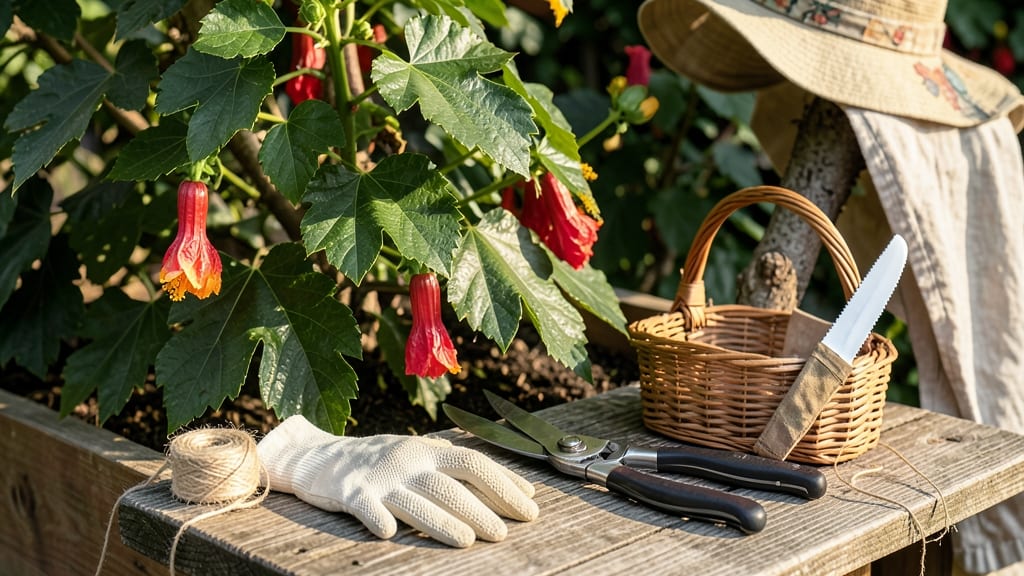
To harvest roselle hibiscus at its peak flavor, you need to know when the calyces are perfectly ripe—before they bloom or turn bitter.
Picture this: your 🌺 Roselle Hibiscus thriving in USDA Zones 9-11, its elongated calyces deepening into a rich reddish-brown. One wrong move, and you’re left with tough, flavorless pods instead of the vibrant, tangy harvest you crave. The secret? Timing it just right, and here’s how.
Harvesting too early means underdeveloped pods, while waiting too long risks overripe, woody textures. The ideal window is when calyces reach 4-6 inches and feel firm yet slightly yielding—a balance that ensures maximum yield and bold flavor.
Below, I’ll walk you through the exact steps, from identifying ripe pods to handling them post-harvest for the best results.
You’ll also discover how to maximize your plant’s productivity with smart pruning and care, so your roselle hibiscus keeps delivering year-round harvests—even in frost-free zones. Let’s get started.
When and how to identify perfectly ripe roselle hibiscus pods
Harvesting roselle hibiscus (Hibiscus sabdariffa) at the right stage ensures sweet, tart flavors and maximum nutritional value. The key lies in recognizing the ideal ripeness window, which varies slightly by variety but follows consistent visual cues.
Miss this window, and you risk bitter, fibrous calyces that ruin your teas or jams.
Roselle pods develop through three critical stages: bud formation, elongation, and full ripeness. Each stage offers distinct color, texture, and size clues that help you decide when to harvest.
For example, the green varieties like 'Green Roselle' ripen differently than the reddish-brown types like 'Red Roselle,' so knowing your plant’s type is essential.
To avoid common mistakes, focus on three key indicators: pod length, color depth, and firmness. A 4-6 inch calyx with a deep reddish-brown or green hue (depending on variety) and a slightly yielding texture when pressed signals peak ripeness.
Overripe pods often split open or develop a woody core, making them unusable.
Timing your harvest also depends on your climate zone. In USDA Zones 9-11, roselle hibiscus grows year-round, so pods may ripen every 6-8 weeks with proper care.
In cooler regions, focus on late summer to early fall when temperatures stay above 60°F and the plant is actively producing calyces.
One of the easiest ways to test ripeness is the "gentle squeeze test". Grip a calyx firmly but gently—if it yields slightly (like a ripe tomato) without feeling mushy, it’s ready.
If it resists completely, it’s underripe; if it feels hollow or splits, it’s past its prime. This method works for both green and red varieties, though color intensity varies.
Morning is the best time to harvest roselle hibiscus calyces because dew levels are low and the pods are firmest. Avoid harvesting after rain or late in the day, as moisture can accelerate spoilage.
Use clean, sharp pruning shears to snip the calyx just above the first leaf node, leaving 1/4 inch of stem to encourage regrowth.
If you’re unsure whether a pod is ripe, cut it open lengthwise to check the interior. A perfectly ripe calyx will have no visible buds inside and a tender, fleshy texture.
Overripe pods often reveal dried-out centers or seed pods that indicate the plant has already begun its next growth cycle. This quick check saves time and ensures you only harvest the best calyces.
For continuous harvests, aim to pick 20-30% of the calyces at peak ripeness each week. This practice stimulates new growth and prevents the plant from becoming overloaded.
In tropical climates, roselle hibiscus can produce three harvest cycles per year with proper care, while cooler regions may yield one or two cycles during the growing season.
Store freshly harvested calyces in a paper bag in the refrigerator for up to 5 days or freeze them for 3-6 months to preserve flavor. For long-term use, dry the calyces in a well-ventilated area or dehydrator at 135°F (57°C) until crisp.
Proper storage extends the shelf life of your harvest and keeps the nutritional benefits intact for teas, soups, and jams.
Remember, the earlier you harvest, the more calyx production your roselle hibiscus will continue to yield. By mastering these ripeness cues, you’ll enjoy a sweeter, more abundant harvest all season long. Happy harvesting! 🌺✂️
Step-by-step harvesting techniques for roselle hibiscus calyces
Harvesting roselle hibiscus calyces at the right time ensures sweet, tart flavors and maximizes your yield. The key is precision—pick too early, and the calyces taste bland; too late, and they become bitter.
With the right tools and timing, you’ll avoid damaging the plant while securing a bountiful harvest for teas, jams, or culinary dishes.
Morning is the ideal harvesting time because the calyces are firm and hydrated, making them easier to handle. Avoid harvesting after rain or in the afternoon heat, as this can cause premature wilting or attract pests.
Gather your supplies—sharp pruners, gloves, and a basket—and follow these steps to harvest like a pro.
🌺 Step-by-Step Harvesting Checklist
- Step 1: Choose mature calyces (4–6 inches long) with a deep reddish-brown or green hue. Avoid woody or shriveled pods.
- Step 2: Use clean pruners or scissors to snip the calyx 1 inch above the stem. This prevents damage to the plant.
- Step 3: Harvest in the early morning (6–9 AM) when calyces are cool and crisp. Avoid wet or humid conditions.
- Step 4: Place harvested calyces in a shaded, well-ventilated basket to prevent bruising. Avoid stacking them too tightly.
- Step 5: Rinse calyces gently with cool water to remove dirt, then pat dry with a clean towel or paper towel.
- Step 6: Store in the fridge (35–40°F) for up to 5–7 days or dry them in a well-ventilated area for long-term use.
After harvesting, inspect your roselle hibiscus plant for any damaged leaves or stems. Prune away dead growth to encourage new calyx production. If you notice yellowing leaves, it may signal overwatering or nutrient deficiency—adjust your care routine accordingly.
For continuous harvests, space your picks every 2–3 weeks during peak season. This method ensures your plant keeps producing flavorful calyces throughout the growing cycle. Keep an eye out for pests like aphids, which can stress the plant and reduce yields.
With these techniques, you’ll enjoy sweet, vibrant roselle hibiscus for months to come—perfect for brewing hibiscus tea or adding to your favorite recipes. Happy harvesting! 🌱