
How To
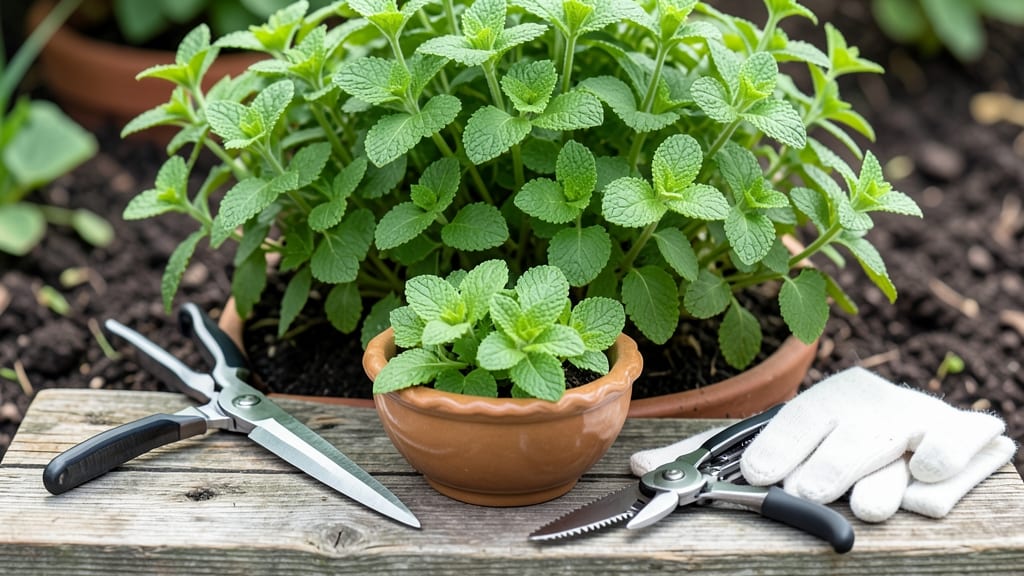
To harvest spearmint at its peak flavor and aroma, wait until the stems reach 6 inches tall—that’s when the leaves are fully developed and packed with the freshest taste 🌿.
Picture this: You’re about to snip a sprig for your mojitos, only to realize the plant is leggy and sparse. That’s a classic sign of harvesting too early—or worse, over-pruning. The key? A little patience and precision.
Spearmint thrives when you follow a simple rule: cut just above a leaf node (the V-shaped junction where leaves meet the stem) to encourage bushier regrowth. This method keeps your plant healthy and productive for months, not just a single harvest.
In this guide, I’ll walk you through the exact steps—when to harvest, what tools to use, and how to store your spearmint so it stays vibrant. Ready to turn your herb patch into a flavor factory?
When and how to harvest spearmint at peak freshness (6-Inch rule explained)
Harvesting spearmint at the right time ensures maximum flavor and encourages your plant to produce more lush, aromatic foliage. The 6-inch rule isn’t arbitrary—it’s rooted in plant biology.
When spearmint reaches this height, its leaves contain the highest concentration of essential oils, delivering that signature cool, refreshing taste we all love. Waiting too long risks woody stems and bitter leaves, while harvesting too early means weaker flavor and slower regrowth.
Spearmint thrives in USDA Zones 3-9, with peak harvest seasons spanning from mid-summer to early fall (July through September in most regions). However, if you planted in spring, you can start harvesting as early as 60 days after germination, provided your plant hits that 6-inch mark.
The key is consistency—harvesting regularly prevents bolting (flowering) and keeps your spearmint bushy and productive.
Before you grab your shears, identify the best stems to cut. Look for healthy, vibrant green leaves with a strong aroma when crushed. Avoid stems that are yellowing, wilted, or showing signs of disease, as these can spread to other parts of the plant.
The top 2-3 inches of each stem will have the most concentrated flavor, so focus your cuts there to maximize yield and quality.
✂️ Step-by-Step Guide to Harvesting Spearmint
- Step 1: Wait for the 6-inch height – Harvest only when stems reach 6 inches tall for peak flavor and oil concentration.
- Step 2: Choose the right stems – Select healthy, vibrant stems with fully developed leaves and a strong minty scent.
- Step 3: Use clean, sharp shears – Avoid tearing leaves by using sterilized pruning shears or clean scissors.
- Step 4: Cut above a leaf node – Snip just above a set of leaves (about 1/4 inch above) to encourage new growth.
- Step 5: Harvest in the morning – The cool morning hours yield the freshest, most aromatic leaves.
- Step 6: Leave at least 4 inches of growth – Never cut more than 1/3 of the plant at once to avoid stressing it.
Timing your harvest isn’t just about height—it’s also about seasonal conditions. In hot climates, spearmint can bolt (flower) quickly, so harvest aggressively to redirect energy into leaf growth.
In cooler regions, you can extend your harvest season by protecting plants with light row covers or moving pots indoors before the first frost (around October 15 in most areas). Always prioritize morning harvests, as the essential oils are most concentrated after a night’s rest.
One common mistake gardeners make is over-harvesting in a single session. While spearmint is resilient, cutting more than 1/3 of the plant at once can shock it and reduce future yields. Instead, space out harvests every 4-6 weeks during the growing season.
This approach mimics natural pruning and encourages your spearmint to grow bushier and fuller over time. Think of it like trimming your hair—small, regular cuts keep it healthy and vibrant.
After harvesting, don’t just toss the stems! The lower leaves and stems can still be used in teas or cooked dishes, though their flavor may be slightly milder. To preserve the freshest leaves, rinse them gently in cool water and pat dry with a paper towel.
Store them in an airtight container in the fridge for up to 2 weeks, or dry them for long-term storage. For drying, bundle stems together and hang them upside down in a dark, well-ventilated area for 1-2 weeks until crisp.
If your spearmint starts to bolt (flower), it’s a sign you’ve waited too long to harvest. While flowering doesn’t kill the plant, the leaves can become bitter and less aromatic. To prevent bolting, harvest regularly and avoid letting the plant go to seed.
In hot, dry conditions, mulch around the base to retain moisture and reduce stress. With the right care, your spearmint can produce harvests for years, rewarding you with fresh, flavorful leaves season after season.
Pro tip: Rotate your harvesting sites if growing multiple plants. This prevents soil depletion and reduces the risk of pests or diseases targeting the same area. And if you’re growing spearmint in containers, choose pots that are at least 12 inches wide to give roots room to spread.
With these techniques, you’ll enjoy a bountiful, long-lasting spearmint harvest that rivals store-bought—without the chemicals.
Remember, the 6-inch rule is your secret weapon for peak flavor and plant health. By following these steps, you’ll not only get the best-tasting spearmint but also ensure your plant stays lush, productive, and full of life for years to come. Happy harvesting!
Pruning spearmint for regrowth: best practices to keep your plant thriving
After harvesting your spearmint at the 6-inch mark, pruning isn’t just about shaping—it’s about encouraging your plant to grow bushier and more productive. The right technique turns a single harvest into a year-round supply of fresh, aromatic leaves.
I’ve found that cutting just above a leaf node (the V-shaped junction) triggers new side shoots, creating a fuller plant within weeks.
Timing matters too. Prune spearmint in early summer (June) after the first harvest to give it time to recover before fall. This aligns with its natural growth cycle, preventing stress. If you skip pruning, you’ll end up with leggy stems and sparse foliage—definitely not the lush plant you’re aiming for.
Here’s the key: Aggressive pruning (cutting back by ⅓) vs. gentle pruning (trimming just the top leaves). Each has pros and cons, and I’ll break it down so you can choose what works best for your garden.
Aggressive Pruning (Cut Back by ⅓)
- Faster regrowth
- Bushier plant
- Encourages new shoots
- Stresses plant if overdone
- Requires more recovery time
- Risk of leggy growth if not balanced
Gentle Pruning (Trim Top Leaves)
- Less stress on plant
- Slower but steady growth
- Good for beginners
- Slower bushier growth
- May not fill gaps
- Less dramatic results
Post-pruning, give your spearmint a light feed of balanced fertilizer (5-10-10) to support regrowth. I’ve noticed that applying fertilizer in the evening reduces leaf burn and helps roots absorb nutrients overnight. Avoid heavy fertilizers—they can cause salt buildup in the soil, harming your plant’s roots.
Watch for yellowing leaves or stunted growth after pruning—these are red flags. Over-pruning or poor soil can lead to these issues. If you see them, cut back on fertilizing and focus on watering deeply instead. Spearmint is resilient, but even it needs a break to recover.
With the right pruning, your spearmint will reward you with dense, flavorful foliage all season long. Start with gentle pruning if you’re new, then graduate to aggressive cuts as you gain confidence. Your plant—and your mojitos—will thank you!