
How To
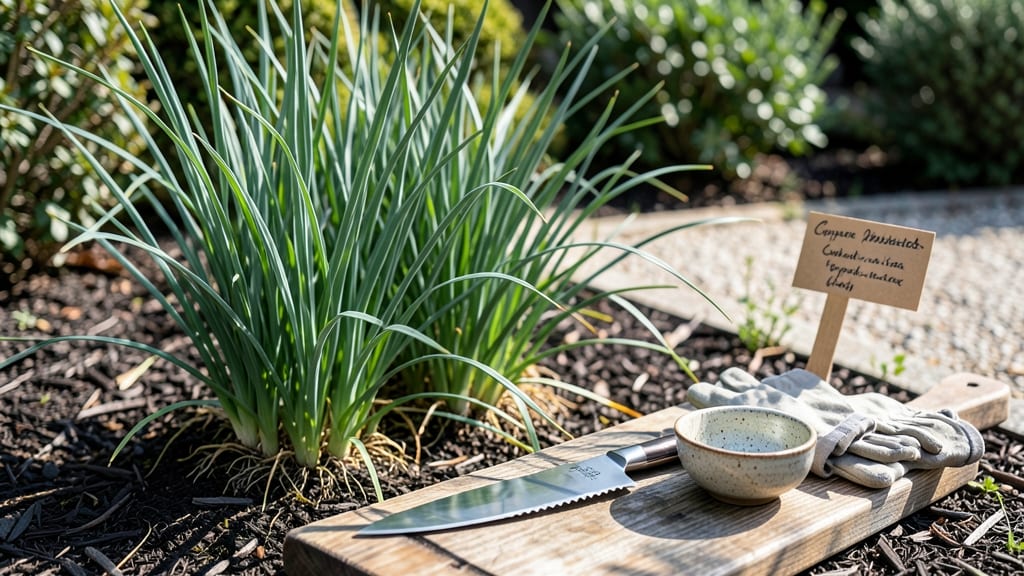
To harvest lemongrass without killing the plant 🌿, cut stalks 3 inches above the soil when they reach 12-18 inches tall and have a strong citrus scent.
Harvesting lemongrass for your favorite Thai curry or homemade tea shouldn’t mean sacrificing your plant—learn the precise technique to trim without stunting regrowth.
This simple method ensures your lemongrass keeps growing back stronger, so you can enjoy fresh stalks for months. The key is leaving enough foliage to fuel regrowth while still getting the best flavor.
Below, I’ll walk you through the exact steps, including when to harvest, which stalks to pick, and how to care for your plant afterward for continuous yields.
The correct way to harvest lemongrass stems (3 inches above soil rule)
Harvesting lemongrass the right way ensures your plant stays healthy and productive for months. The 3-inch rule is key—cutting too low stresses the plant while leaving too much stunts regrowth.
I’ve learned through trial and error that precise cutting at the base of the stalk (not the soil) is the secret to keeping your lemongrass thriving. This method preserves the plant’s energy reserves while encouraging new shoots to emerge from the base.
Timing matters just as much as technique. Harvesting in the morning after dew has dried but before the heat of the day reduces stress on the plant. Avoid cutting during hot afternoons or after heavy rain, as this can introduce bacteria through fresh cuts.
I always check the stalks first—they should be 12-18 inches tall and at least ½ inch in diameter before harvesting.
Using the right tools makes all the difference. A sharp pair of pruning shears or a clean kitchen knife is ideal for making clean cuts. Dull tools crush stems, inviting disease.
I disinfect my tools with rubbing alcohol between cuts to prevent contamination. Never pull stalks—this damages the root system and can kill your plant over time.
How to Harvest Lemongrass Without Killing the Plant
- Step 1: Choose the Right Stalks Select outer stalks that are 12-18 inches tall and ½ inch thick. Avoid cutting the innermost stalks—these are your plant’s future harvests.
- Step 2: Locate the Cutting Point Find the base of the stalk where it meets the soil. The goal is to cut 3 inches above the soil line, not at the soil level. This preserves the plant’s growth nodes.
- Step 3: Use Sharp Tools Disinfect your pruning shears or knife with rubbing alcohol. Make a clean, diagonal cut at a 45-degree angle to prevent water pooling on the stem.
- Step 4: Leave the Inner Core Never remove more than ⅓ of the stalks at once. The 3-5 innermost stalks should remain untouched to ensure regrowth and photosynthesis.
- Step 5: Post-Harvest Care After cutting, water the base thoroughly to reduce stress. Remove any yellow or damaged leaves to redirect energy to new growth.
- Step 6: Monitor for Regrowth New shoots should emerge from the base within 4-6 weeks. If no growth appears, your plant may need fertilizer or more sunlight.
Seasonal timing plays a crucial role in successful harvesting. In spring and summer, when growth is most vigorous, you can harvest every 4-6 weeks. During fall and winter, reduce harvesting to every 8-12 weeks or only when stalks are fully mature.
I’ve noticed that lemongrass harvested in late summer often produces thicker stalks the following spring.
Over-harvesting is the #1 mistake I see gardeners make. If you strip your plant too aggressively, it may stop producing new stalks or even die back.
Always leave at least 3-5 stalks uncut to maintain the plant’s energy. A healthy lemongrass plant can yield harvests for 2-3 years if cared for properly.
After harvesting, store your stalks in the fridge for up to 2 weeks or freeze them for longer storage. To use, simply trim the green tops and crush the stalk to release the oils.
I love adding fresh lemongrass to homemade teas, soups, and marinades—but the real reward is knowing my plant will bounce back for next time.
If your lemongrass looks wilting or yellow after harvesting, don’t panic. This is often a sign of transplant shock or over-harvesting. Increase watering slightly and apply a balanced fertilizer (like 10-10-10) to encourage recovery. With the right care, your plant will rebound and produce even stronger stalks.
Pro tip: Mark your harvesting dates on a calendar to avoid overdoing it. I’ve found that a 4-6 week cycle in warm climates and 6-8 week cycle in cooler areas keeps my lemongrass happy and productive year-round.
🌿
How often you can harvest lemongrass without harming the plant
Lemongrass is a resilient herb, but even the hardiest plants need proper care to thrive. If you're harvesting too aggressively, your plant may struggle to recover, leading to stunted growth or even death.
The key lies in understanding your plant's age and environmental conditions. Young plants, for example, need more recovery time than mature ones, while hot climates may accelerate regrowth compared to cooler regions.
For most gardeners, the ideal harvest frequency is every 4-6 weeks for mature plants, but this varies based on your plant's health and growing conditions. Always leave at least 3-4 stalks to ensure the plant continues producing new growth.
Over-harvesting often shows up as yellowing leaves, weak stems, or a lack of new shoots—signs your lemongrass is begging for a break.
🌱 5 Key Rules for Safe Lemongrass Harvesting
- Young plants (0-6 months): Harvest once every 8-12 weeks—they need time to establish roots.
- Mature plants (6+ months): Harvest every 4-6 weeks if stalks are thick and healthy.
- Hot climates: Regrowth is faster—harvest every 3-4 weeks in summer.
- Cool climates: Slow growth—space harvests 6-8 weeks apart in spring/fall.
- Never remove more than 1/3 of the plant at once—this ensures the core stays strong.
Seasonal changes also impact how often you can harvest. In summer months, lemongrass grows rapidly, allowing for more frequent harvests. However, during winter dormancy, it’s best to avoid harvesting altogether—focus on protecting the plant instead.
If you notice yellowing leaves or stunted growth, your lemongrass is signaling it’s overworked and needs a rest period.
Another critical factor is the diameter of the stalks. Only harvest stalks that are at least ½ inch thick—thinner stalks indicate the plant isn’t ready. If you’re unsure, wait a few weeks and check again.
Patience now means a healthier plant and more harvests in the future. Always use clean, sharp scissors or pruners to avoid damaging the stem.
After harvesting, monitor your plant closely for new shoots emerging from the base. If you see 3-4 fresh stalks within 4-6 weeks, your plant is recovering well. If not, reduce harvest frequency or adjust care—like increasing sunlight or watering.
A happy lemongrass plant will reward you with continuous growth and abundant harvests for years to come.
Remember, the goal isn’t to harvest as much as possible but to balance yield with plant health. With the right approach, you’ll enjoy fresh lemongrass all season long without stressing your plant. Happy harvesting! 🌿