
How To
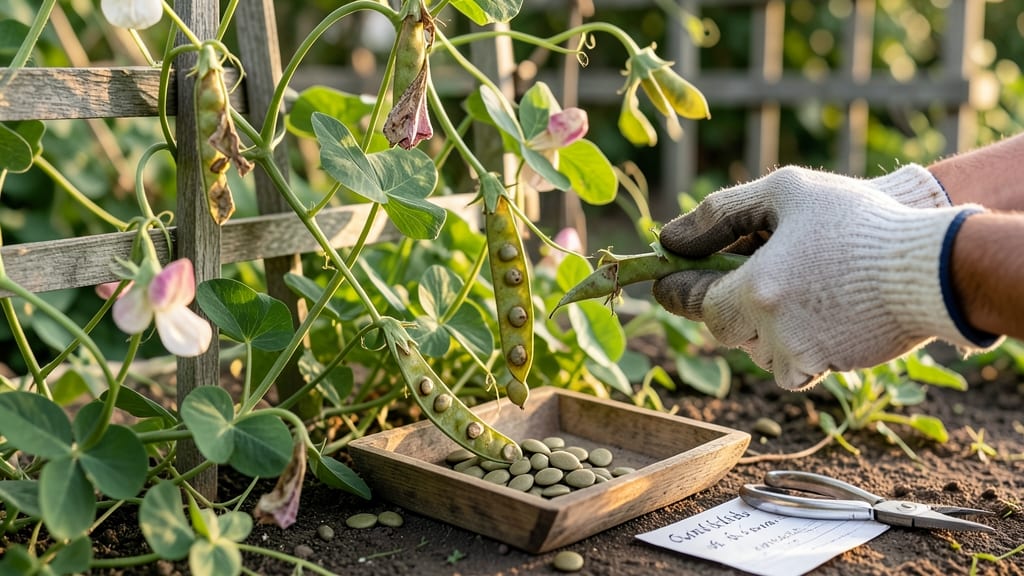
To harvest sweet pea seeds, watch for pods that turn brown and papery after the flowers fade 🌸 — timing this right is the difference between viable seeds and wasted effort.
Sweet peas aren’t just beautiful climbers—they’re also a gardener’s secret stash for next year’s blooms. Harvesting their seeds at the perfect moment ensures strong, healthy plants for seasons to come, but timing is everything.
Most gardeners miss the window because they focus on the flowers instead of the pods. The key is waiting until the pods rattle when shaken and split open slightly—usually 6-8 weeks after planting in zone 6a.
Once you spot the right pods, I’ll walk you through the entire process: how to collect, dry, and store them properly so they stay viable for up to 3 years—plus the common mistakes that ruin seeds before they even sprout.
When and how to identify fully mature sweet pea seed pods for harvesting
Sweet peas produce their most viable seeds when harvested at the perfect ripeness. Waiting too long risks seed loss to birds or weather, while harvesting too early means poor germination.
The key lies in watching for three critical signs of maturity: color change, texture, and seed visibility inside the pods.
Start observing your sweet pea pods about 6-8 weeks after flowering, when they transition from green to a dull brown or tan hue. This color shift indicates the seeds inside have fully developed.
The pods will also feel dry and papery to the touch, rather than firm and moist like immature pods.
Gently shake a mature pod—you’ll hear seeds rattle inside, a clear sign they’re ready. If the pod splits open slightly at the seams, it’s a final warning to harvest immediately, as seeds may scatter or attract pests.
Timing matters most in late summer, when pods mature fastest in warm climates.
| Stage | Pod Color | Texture | Seed Condition | Action |
|---|---|---|---|---|
| Immature | Green | Firm, moist | Soft, white | Wait 2-3 weeks |
| Ripe | Brown/tan | Dry, papery | Hard, dark | Harvest immediately |
| Overripe | Light brown | Brittle, splitting | Scattered seeds | Too late |
In cooler climates (USDA Zones 3-5), pods may take 10-12 weeks to mature after flowering, while warmer zones (Zones 7-9) see faster maturation in 6-8 weeks. Always harvest on dry, sunny mornings to prevent moisture from accelerating mold risk during drying.
Use a clean, sharp pair of pruning shears to snip pods from the vine, leaving a 1-inch stem attached. This stem helps anchor pods during the drying process. Avoid pulling pods off—this can damage the vine and leave behind empty husks that attract pests.
For high-altitude gardens (above 5,000 ft), pods may require an extra 1-2 weeks to mature due to cooler temperatures. Monitor pods closely and consider using a small greenhouse or cold frame to extend the growing season if needed.
Once harvested, place pods in a well-ventilated, dry location (like a mesh bag or paper sack) for 2-3 weeks to fully dry. Avoid plastic bags, which trap moisture and promote mold. Store seeds in airtight containers with a silica gel packet to maintain viability for up to 3 years.
If you miss the harvest window, don’t despair—fresh sweet pea pods can still be used in homemade compost tea for nutrient-rich soil amendments. Just chop them finely and steep in water for 24 hours before straining.
Pro tip: Label your seed packets with the harvest date and variety name to track germination rates. Some heirloom varieties, like 'Cupani' or 'Perfume Delight', produce seeds with 90%+ germination when harvested at peak ripeness.
Step-by-step process for harvesting, drying, and storing sweet pea seeds
Once you’ve identified your sweet pea pods as fully mature (dry, brown, and rattling with seeds inside), it’s time to harvest them carefully to preserve seed viability. The process involves gentle collection, proper drying, and strategic storage to keep seeds potent for 3+ years.
I’ll walk you through each step so you can avoid common pitfalls and ensure a successful seed-saving season.
Start by harvesting the seed pods on a dry, sunny day to prevent moisture from accelerating mold. Use clean, sharp pruning shears or scissors to snip the pods from the vine, leaving a short stem attached.
This makes handling easier and reduces damage to the delicate pods. Work systematically, checking each vine for mature pods to avoid missing any.
-
Step 1Harvest the pods: Snip dry, brown pods with pruning shears on a sunny day. Leave a 1-inch stem attached for easier handling.
-
Step 2Remove seeds from pods: Open pods gently with your fingers or a small knife. Extract dark, firm seeds and discard any soft or shriveled seeds.
-
Step 3Dry seeds indoors: Spread seeds in a single layer on paper towels or parchment paper. Place in a warm, dry spot (60-70°F) for 1-2 weeks, stirring occasionally.
-
Step 4Store seeds properly: Transfer dried seeds to airtight containers (glass jars or envelopes) with a silica gel packet to absorb moisture. Label with the variety name and harvest year.
-
Step 5Store in a cool, dark place: Keep seeds in a refrigerator or cool basement (40-50°F) for long-term storage. Test germination every 2-3 years to ensure viability.
After harvesting, the next critical step is drying the seeds properly to prevent mold and maintain germination rates. I recommend drying seeds indoors on parchment paper in a warm, well-ventilated area for 1-2 weeks.
Stir them gently every few days to ensure even drying. Avoid using a dehydrator or oven, as excessive heat can damage the seeds’ embryonic viability.
For long-term storage, place your dried seeds in airtight containers like glass jars or resealable envelopes. Add a silica gel packet to absorb any moisture, which is the enemy of seed longevity. Label each container with the variety name and harvest year to keep track of your collection.
Store them in a cool, dark place, such as a refrigerator or basement, where temperatures stay between 40-50°F.
To ensure your seeds remain viable for 3+ years, perform a germination test every 2-3 years. Moisten a paper towel, place a few seeds on it, and fold it over. Keep it in a warm spot for 5-7 days.
If 70% or more of the seeds sprout, they’re still good to plant. If germination drops below 50%, it’s time to collect fresh seeds for next season.
With these steps, you’ll have a reliable seed bank for future sweet pea gardens, saving you money and ensuring you can grow your favorite fragrant varieties year after year. Happy seed saving! 🌸