
How To
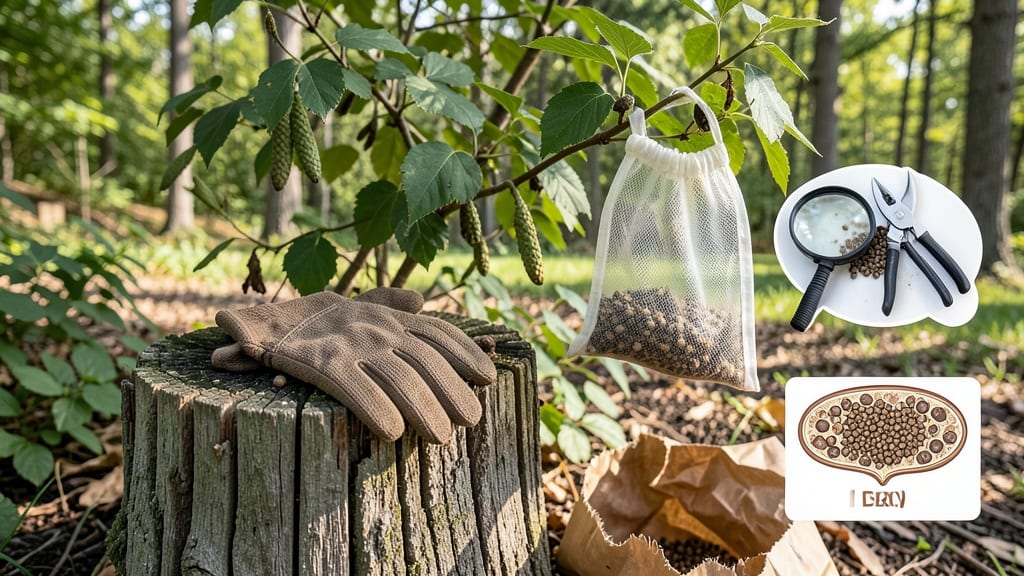
Harvesting trumpet vine 🌺 seed pods at the right time ensures you get viable seeds instead of brittle failures—here’s exactly when to pick them for the best results.
Timing the harvest wrong can mean the difference between a thriving new vine and wasted effort. Too early, and the seeds won’t germinate; too late, and they shatter into dust. The key is watching for those telltale brown pods that crack open just enough to reveal dark, dry seeds inside.
In most regions, including USDA Zone 6a, the ideal window falls between late summer and early fall—typically August through October. But don’t rely on the calendar alone; the pods themselves will tell you when they’re ready.
Below, I’ll walk you through the hardness test, regional adjustments, and what to do once you’ve harvested—so you can store those seeds properly and start growing your next trumpet vine with confidence.

How to test trumpet vine seed pod hardness for perfect harvest timing
Harvesting trumpet vine (Campsis radicans) seed pods at the right moment ensures you collect viable seeds for next season’s garden. The key lies in testing pod hardness—a simple but critical step many gardeners overlook.
When pods are too green, seeds won’t germinate; when they’re too dry, they lose viability. I’ve learned that visual cues and a gentle squeeze test are your best tools.
Start by examining the pod color. Mature trumpet vine pods begin as bright green but gradually darken to a dull brown as they dry. This color shift signals that the seeds inside are maturing.
However, don’t wait until pods turn crispy—harvest just before they crack open naturally. Overripe pods release seeds prematurely, leaving you with nothing to save.
Next, focus on the pod texture. Run your fingers lightly over the surface. Ready-to-harvest pods feel dry and papery, almost brittle. If the pod resists slightly when touched, it’s still firm and needs more time.
But if it crumbles at the slightest pressure, you’ve missed the window. Think of it like testing a ripe avocado—just firm enough to yield, not mushy or rock-hard.
Here’s where the squeeze method comes in. Gently pinch a pod between your thumb and forefinger. If it gives slightly but doesn’t snap back, the seeds inside are likely dry and ready.
Listen for a faint crinkling sound—this indicates the internal membranes are drying out. Avoid squeezing too hard, or you’ll damage the pod and risk losing seeds before harvest.
Step-by-Step: Testing Trumpet Vine Seed Pod Hardness
- 1 Check pod color: Look for dull brown pods (not green or black).
- 2 Test texture: Dry pods feel papery and brittle—not rubbery or crumbly.
- 3 Squeeze gently: Pinch the pod—it should yield slightly without snapping.
- 4 Listen for crinkling: A faint sound means seeds are drying inside.
- 5 Harvest before pods split: Collect seeds just as pods begin cracking.
Timing is everything when it comes to trumpet vine seed pods. Harvest too early, and the seeds won’t germinate; too late, and they’ll scatter on their own, leaving you with no viable seeds to save.
I’ve found that pods are typically ready for harvest between late August and October, depending on your climate. In warmer regions, pods may mature earlier, while cooler zones might need to wait until early fall.
Avoid harvesting pods that are still green or firm—these seeds are underdeveloped. Similarly, skip pods that have already split open completely and released seeds. The goal is to catch them at that sweet spot where they’re dry enough for seed viability but haven’t yet opened on their own.
Think of it like picking tomatoes: you want them ripe but not overripe.
Once you’ve identified the perfect pods, harvest them by twisting gently or using clean pruning shears. Place them in a paper bag to dry further in a cool, dry place for a few days.
This extra drying step ensures any remaining moisture evaporates, preventing mold. Store the dried pods in an airtight container until you’re ready to extract the seeds for planting.
Pro tip: Label your seed pods with the harvest date and store them in a cool, dark place (like a seed catalog or small jar). This helps track freshness and ensures you don’t accidentally plant last year’s seeds.
Trumpet vine seeds can remain viable for 1-2 years if stored properly, so there’s no rush—but don’t wait too long!
Remember, the hardness test is your secret weapon for a successful trumpet vine seed harvest. With practice, you’ll develop an eye for spotting the perfect pods. Soon, you’ll be collecting seeds like a pro, ready to grow new vines and share them with fellow gardeners.
Best time of year to harvest trumpet vine seeds by climate Zone
Harvesting trumpet vine (Campsis radicans) seeds at the wrong time can ruin their viability, especially since frost risk and temperature fluctuations play critical roles. In USDA zones 6-10, the ideal harvest window shifts based on your region’s last frost date and seasonal heat.
For example, gardeners in Zone 6 must act faster than those in Zone 10 to avoid frost damage to mature pods.
Generally, seed pods reach maturity between late August and October, but the exact timing depends on your climate.
In cooler zones (6-7), aim for early September to avoid early frost, while warmer zones (8-10) can wait until October. Ideal temperatures for harvest are between 60°F and 75°F, ensuring pods dry properly without cracking prematurely.
An early harvest (before pods fully dry) risks underdeveloped seeds, while a late harvest (after frost) can damage pods and reduce germination rates.
In Zone 6, for instance, waiting too long means seeds may freeze in the pod, while Zone 10 gardeners can enjoy a longer harvest window thanks to milder winters.
Always monitor pod color and texture—ready pods turn deep brown and feel papery dry. If your area experiences unpredictable weather, harvest pods slightly earlier and dry them indoors at 70°F with good airflow. This prevents moisture loss while ensuring seed viability.
Pro tip: In cooler zones, prioritize harvesting pods from southern exposures first, as they mature faster due to more sunlight. Use a soft cloth to gently collect pods to avoid damaging the vine or seeds.
Store harvested pods in a paper bag for 1-2 weeks to complete drying before extracting seeds.
Remember, seed viability drops after pods split open naturally, so act promptly once you spot cracked pods. With the right timing, you’ll maximize your chances of growing healthy trumpet vines from saved seeds next season! 🌾