
How To
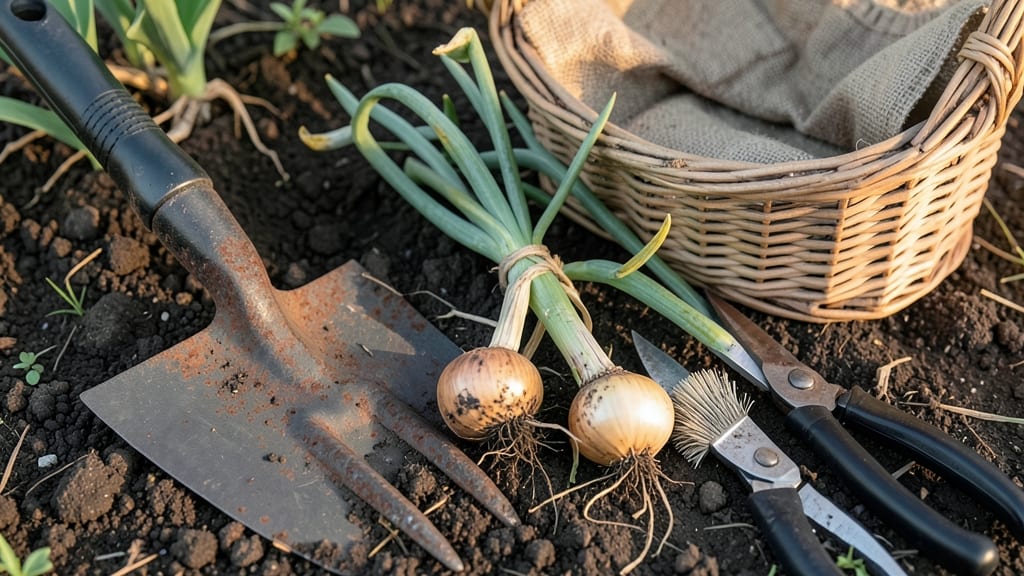
To harvest tulips at their peak for stunning bouquets and next-year blooms, time your cuts just as the petals fully unfurl 🌷—never too early or too late.
Picture this: you’ve waited all season for those vibrant blooms, and now the moment has arrived. But harvest too soon, and the stems won’t hold up in a vase. Cut too late, and you risk stunting the bulb’s energy for next spring.
The difference between a showstopping arrangement and wasted effort comes down to timing, technique, and care—and I’ve got the exact steps to maximize both beauty and future growth.
Most gardeners focus only on the flowers, but leaving the foliage too long (or cutting it too soon) can weaken the bulb for years to come.
I’ll show you how to balance vase life with garden health, including when to snip stems for longer freshness and how to store them properly if you’re not arranging them right away.
Ready to turn your tulip harvest into a year-round success? You’ll learn the ideal cutting window, the best tools to use, and even how to revive wilted stems—so your blooms last as long as possible, whether in a vase or the garden.
When to harvest tulips for maximum vase life and future blooms
Timing is everything when harvesting tulips. Cutting too early means weak stems and short vase life, while waiting too long sacrifices next year’s blooms. The ideal window is when flower buds fully open but before leaves yellow excessively. This balance ensures vibrant bouquets and healthy bulbs for future growth.
Most gardeners harvest tulips in late spring to early summer, typically May to June in most USDA zones. However, exact timing depends on your climate and tulip variety. Dwarf varieties may bloom earlier, while standard tulips often peak in mid-spring. Always check your specific variety’s bloom schedule.
For maximum vase life, aim to harvest when 1-2 flower petals fully unfurl but the bud remains closed. This stage ensures stems have fully hardened and absorbed enough nutrients. Waiting until tulips are fully open risks shorter vase life and faster wilting.
| Harvest Stage | Key Characteristics | Vase Life Impact | Bulb Health Impact |
|---|---|---|---|
| Bud Stage (Closed) | Petals tightly closed, green bud | Poor (soft stems, weak blooms) | Neutral (bulb unaffected) |
| Early Bloom (1-2 petals open) | 1-2 petals unfurl, bud still closed | Excellent (hardened stems, vibrant blooms) | Positive (bulb stores nutrients) |
| Full Bloom (Open) | All petals fully unfurled | Good (but shorter vase life) | Negative (bulb loses energy) |
| Late Bloom (Wilted) | Petals drooping, leaves yellowing | Poor (wilting within 24 hours) | Harmful (bulb weakens) |
The best time of day to harvest tulips is early morning after dew has evaporated but before the sun intensifies. This ensures stems are hydrated and firm, reducing stress. Avoid harvesting in midday heat, as stems can wilt faster and blooms may close prematurely.
Assess stem maturity by gently bending the stem. A mature stem should bend slightly but not break. If it snaps easily, wait 1-2 days for better strength. Also, check the base of the stem—it should feel woody, not spongy. This indicates the plant has fully developed.
Never harvest tulips when leaves begin yellowing excessively. The foliage is critical for feeding the bulb and storing energy for next year’s blooms. If you harvest too late, your tulips may fail to bloom or produce weak stems the following season.
Aim to leave leaves until they brown naturally.
For longer vase life, harvest tulips when 20-30% of the blooms are open in your garden. This staggered approach ensures a mix of fresh and nearly-open flowers in your arrangement. Use sharp, clean pruners and cut stems at a 45-degree angle just above a leaf node.
After harvesting, immediately place stems in lukewarm water to prevent air bubbles from blocking nutrient uptake. Change the water every 2-3 days and trim stems by 1 inch each time. This simple step can extend vase life by 3-5 days while keeping blooms vibrant.
Pro tip: Harvest tulips on a cool, cloudy day if possible. The lower temperatures help stems retain moisture longer and reduce stress. If you must harvest on a hot day, work quickly and keep stems in water immediately to prevent wilting.
Step-by-step harvesting technique to preserve tulip blooms
Harvesting tulips isn’t just about cutting stems—it’s about preserving their beauty while ensuring next year’s blooms thrive. The right technique can extend your bouquet’s life by 3-5 days or more, and I’ve perfected the method through years of trial and error.
Start by selecting stems with fully open petals but still vibrant colors, as these hold up best in arrangements. Avoid cutting blooms that are already fading or have brown edges, as they’ll wilt quickly.
Timing is everything: harvest tulips in the early morning when stems are fully hydrated and temperatures are cool. This reduces stress on the plant and maximizes vase life.
If you’re harvesting for both bouquets and future blooms, prioritize stems that are upright and firm—these are the ones that’ll last longest. Pro tip: Leave at least half the foliage on the plant after cutting to feed the bulb for next season.
🌷 Step-by-Step Tulip Harvesting Guide
- Step 1: Choose the right moment: Harvest when 1-2 outer petals fully unfurl but the bloom isn’t fully open. This ensures stems are mature enough to hold water but haven’t yet expended their energy.
- Step 2: Use sharp tools: Grab a clean, sharp pruner or knife to make a 45-degree angle cut 2-3 inches above the soil line. A clean cut prevents bacterial entry and encourages water uptake.
- Step 3: Optimize stem length: Aim for 12-18 inches of stem—longer stems bend in vases, while shorter ones wilt faster. Remove lower leaves that’ll sit underwater to prevent rot.
- Step 4: Immediate post-harvest care: Place stems in a bucket of lukewarm water (not cold) for 1-2 hours. This rehydrates the stems and extends vase life by up to 48 hours.
- Step 5: Store properly: If not arranging immediately, wrap stems in a damp paper towel and refrigerate in a sealed bag for up to 5 days. Avoid plastic wrap—it traps moisture and speeds up decay.
- Step 6: Vase prep: Use cool water (not warm) in your vase and add a commercial flower food packet or DIY mix (1 tsp sugar + 1 tsp bleach per quart of water). Change water every 2-3 days to prevent bacterial growth.
After harvesting, resist the urge to remove all the foliage—this is a common mistake that weakens the bulb. Leave the leaves until they naturally yellow and wither (about 6-8 weeks).
This ensures the bulb stores enough energy for next spring’s blooms. If you’re short on time, you can trim the leaves to half their length but never remove them entirely.
For tulips you’re not using immediately, store them in a cool, dark place like a garage or basement. Avoid refrigerators with high humidity, as this can cause mold.
When ready to arrange, recut the stems at a 45-degree angle to reopen the water channels and give your bouquet an extra boost of freshness. With these steps, your tulips will stay vibrant for up to 2 weeks in a vase—far longer than the average 5-7 days!
Pro tip: If your tulips start wilting, don’t toss them! Place the stems in a vase of warm water with a splash of bleach (1 tsp per quart) and trim the bottom inch of the stems.
Many wilted tulips perk up within 24 hours—it’s like giving them a second chance at life! 🌿