
How To
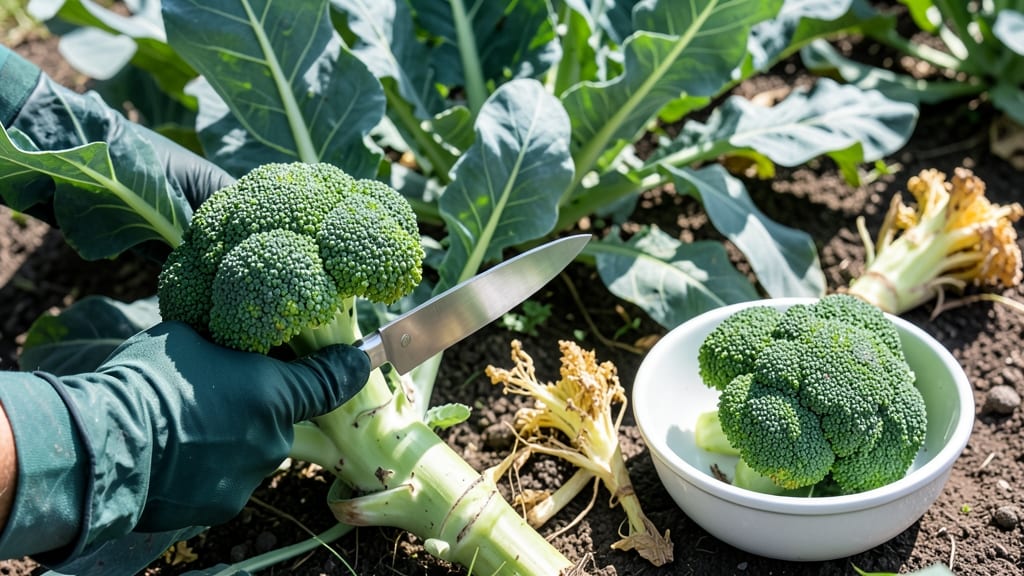
Knowing when to harvest broccoli 🥦 means snagging the sweetest, most tender florets before they turn bitter or woody—something even experienced gardeners sometimes miss.
Picture this: you’ve nurtured your broccoli for weeks, watching it grow from a tiny seedling to a lush, green plant. Now, the moment of truth arrives—how do you know it’s perfectly ready to pick? Too early, and you’re left with underdeveloped heads.
Too late, and you’re stuck with tough, yellowing florets that taste like disappointment. The secret lies in three simple tactile tests that reveal the ideal harvest window, ensuring your broccoli tastes like it came straight from a high-end restaurant.
You don’t need a degree in botany to master this—just your fingers and a sharp eye. We’ll cover the telltale signs of peak tenderness, from the tightness of the buds to the snap of the stem, so you can harvest with confidence.
Plus, I’ll share how to coax more harvests from the same plant, turning one successful pick into a season-long bounty.
Ready to go from guessing to knowing? Let’s dive into the foolproof way to harvest broccoli at its absolute best, every single time.
3 Tactile tests to determine perfect broccoli harvest time
Timing your broccoli harvest is an art that combines observation and touch—skipping the tactile tests often means sacrificing flavor and texture. I’ve learned that visual cues alone can fool even experienced gardeners, but these three science-backed physical checks will guarantee you pick broccoli at its peak.
The difference between a tender, sweet crown and a bitter, woody mess often comes down to these simple tests.
Most gardeners focus on color and size, but the real magic happens when you feel the florets and test the stem. Over the years, I’ve seen broccoli heads that looked perfect on the outside but were overmature and tough inside.
These tests—bud tightness, stem snap, and floret firmness—are the secrets pro growers use to avoid that disappointment. Let’s break them down so you can apply them in your garden.
- 1 Bud Tightness Test: Squeeze the center florets gently—if they resist separation and feel firm like a closed fist, it’s ready. Loose florets mean it’s overripe.
- 2 Stem Snap Test: Hold the main stem near the base and bend it slightly. If it snaps cleanly with resistance, the plant is fully mature. A bendy stem means wait 2-3 more days.
- 3 Floret Firmness Test: Press a side floret—it should feel dense like a closed umbrella. If it gives slightly or has yellowing edges, harvest immediately to avoid bitterness.
Let’s start with the bud tightness test, which is often overlooked but critical. I’ve noticed that broccoli heads can look fully grown visually but still need 1-2 more days to reach perfect tenderness.
The trick is to gently squeeze the center florets—they should feel compact and resistant, like a tightly closed fist. If you can easily pull apart the florets with your fingers, the head has passed its prime and will taste bitter.
This test is especially useful for varieties like Calabrese, which can mature unevenly.
The stem snap test is a pro gardener’s shortcut that saves time and guesswork. I learned this from a 4-H advisor who swore by it—simply hold the main stem about 5 inches from the base and bend it gently.
If it snaps cleanly with a slight crack, your broccoli is ready to harvest. A bendy or soft stem means the plant needs 2-3 more days to mature. This test works best in the morning, when stems are firmest and most accurate.
Don’t overlook the floret firmness test, which reveals the internal quality of your broccoli. I once harvested a head that looked perfect but had mushy florets—a clear sign of overmaturity. To test, press a side floret near the center.
It should feel dense and slightly springy, like a closed umbrella. If it feels soft or spongy, harvest immediately, as the entire head will turn bitter within 24 hours. This test is particularly important for heat-sensitive varieties, which can overmature quickly in summer temperatures.
One common mistake I see is harvesting based on size alone. A 6-inch head isn’t always ready—it could be underdeveloped or overripe. Always combine these three tactile tests for accuracy.
For example, a 5-inch head with firm florets might be ready, while a 7-inch head with loose buds is past its prime. Pro tip: Use a small notebook to track the maturity timeline of your plants, noting when they pass each test.
Seasonal variations also affect these tests. In cool spring weather, broccoli matures slower, so I wait until all three tests pass before harvesting.
But in hot summer months, heads can overmature in days, so I harvest as soon as the stem snaps—even if the florets aren’t fully closed.
This is why morning harvesting is ideal: cooler temperatures slow down the aging process, giving you a longer window to test the florets.
If you’re growing multiple broccoli varieties, like De Cicco (smaller heads) or Packman (larger heads), adjust your tests accordingly. De Cicco florets should feel extra firm due to their small size, while Packman heads can tolerate slightly softer florets because of their larger structure.
Always compare the same variety when testing—mixing them up can lead to inconsistent results.
Finally, remember that harvesting at the right time encourages regrowth. When you pick broccoli using these tests, you’re not just getting a single perfect head—you’re also stimulating side shoots for future harvests. I’ve seen one broccoli plant yield 3-4 harvests in a season by following these tactile cues.
So next time you’re in the garden, skip the guesswork and trust your hands—they’ll never steer you wrong.
Common harvesting mistakes that ruin broccoli flavor (and how to avoid them)
Even experienced gardeners accidentally turn sweet broccoli bitter by harvesting at the wrong time. The most common mistake? Waiting until the central florets start opening. Once those tiny buds bloom, your broccoli develops a bitter, woody texture that ruins dishes.
I've seen gardeners lose entire harvests this way—don't let that happen to you.
Another frequent error is cutting the stem too close to the base. When you sever the stem within 2-3 inches of the soil, you remove the plant's energy source for future side shoots.
This wastes potential harvests and stresses your broccoli. Even worse, some gardeners pull the entire plant instead of cutting, destroying the root system for good.
Here's the surprising truth: most gardeners ignore the side shoots that form after harvesting the main head. These smaller stems can produce 3-5 additional harvests per plant if handled correctly. Skipping them means missing out on free, flavorful broccoli without extra planting.
⚠️ WARNING: These 3 Mistakes Destroy Broccoli Flavor
- 🥦 Harvesting too late: Open florets = bitter taste
- ✂️ Cutting stems too short: Stops side shoot growth
- 🌱 Ignoring side shoots: Misses 3+ extra harvests
Pro Tip: Always leave 5-7 inches of stem below the harvested head to encourage regrowth.
Let me show you exactly how to avoid these mistakes. First, never harvest broccoli when the main head exceeds 6-8 inches in diameter. At this size, the florets should still be tightly packed like a closed fist.
If you can see yellow or brown tones appearing, it's already past its prime. I've found that using a sharp knife or pruners at a 45-degree angle prevents damage to the stem.
The secret to continuous harvests lies in those side shoots. After cutting the main head, watch for small buds forming along the stem. These will develop into secondary harvests.
To encourage them, keep your broccoli well-watered and fertilized with a balanced 10-10-10 mix. I've had plants produce usable side shoots for 6-8 weeks after the initial harvest.
Here's my quick checklist for perfect broccoli harvests: ☑️ Harvest when heads are 4-8 inches and tightly closed ☑️ Cut stems at 5-7 inches from the base ☑️ Leave 5-7 inches of stem after harvest ☑️ Monitor side shoots for new harvests ☑️ Avoid harvesting when florets start opening
Remember, broccoli flavor peaks when harvested young and firm. Don't let common mistakes turn your homegrown bounty into disappointment—your taste buds (and dinner guests) will thank you! 🥦