
Vegetables
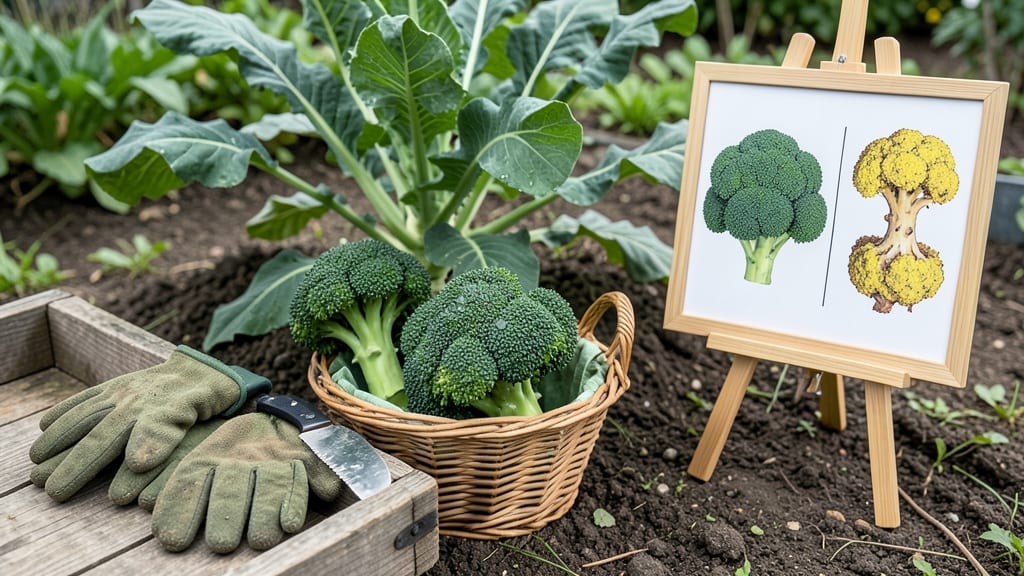
Harvesting broccoli too late turns those crisp florets into tough, bitter stalks—so knowing when it’s past prime saves your crop and your dinner plans.
Picture this: your 🥦 plants are thriving, but the heads are starting to yellow or split open. That’s the moment you’ve missed the sweet spot. The good news? You can still salvage some flavor, and I’ll show you how.
But first, let’s talk about the three unmistakable signs your broccoli has overstayed its welcome in the garden.
Broccoli’s harvest window is tight—usually between 50 and 80 days after planting, depending on your climate. In cooler zones like 6a, that means May-June for spring broccoli or October-November for fall varieties. But if you’re in a warmer region, those windows shrink fast, and the stakes get higher.
Below, I’ll break down how to spot overripe broccoli, what to do if you’ve already missed the boat, and how to stretch your harvest just a little longer—without sacrificing taste or texture.
3 Clear signs your broccoli is past its prime harvest window
Broccoli plants reach their sweet spot for harvesting when florets are tight and dark green, but once they pass this window, the quality drops fast. Knowing the exact moment to pick is crucial—overripe broccoli becomes bitter, woody, and less nutritious.
The good news? There are clear visual and physical cues to help you avoid this common gardening mistake.
If you’ve ever wondered when is it too late to harvest broccoli, look no further than these three telltale signs. Ignoring them can mean sacrificing flavor, texture, and even the plant’s ability to produce side shoots.
Let’s break down what to watch for so you can enjoy broccoli at its peak.
Florets Are Opening or Blooming
The moment yellow flowers appear on your broccoli florets, it’s too late to harvest. These buds should remain tightly closed and dark green. Once they open, the broccoli becomes bitter and loses its signature sweetness.
Stems Feel Woody or Hollow
A thick, woody stem is another red flag. When you run your thumb along the stalk, it should feel firm but not hard. If it’s hollow or overly tough, the broccoli has passed its prime. This texture change happens quickly, so check stems regularly.
Seed Pods Have Formed
If you spot small seed pods at the base of the florets, your broccoli has bolted. This means it’s shifted its energy from producing edible heads to seed production. At this stage, the florets are often tough and stringy, making them unpalatable.
Once you notice any of these signs, it’s time to act fast. While slightly overripe broccoli can still be used in cooking, the texture and flavor won’t be the same as freshly harvested heads.
The good news? Broccoli plants often produce side shoots after the main head is cut, giving you a second chance for harvest if you act quickly.
Paying attention to these cues isn’t just about taste—it’s also about maximizing your plant’s productivity. Broccoli that’s left too long on the stalk diverts energy away from future growth, reducing the number of side shoots your plant will produce. This means fewer opportunities for harvests later in the season.
If you’re growing broccoli in cooler climates, like USDA zones 3-6, these signs may appear slightly later due to slower growth rates. In warmer zones (7-10), bolting can happen faster, especially during heatwaves. Always monitor your plants closely, especially during peak growing months like spring and fall.
For gardeners in container gardens, these signs are equally important. Broccoli grown in pots can be more sensitive to overmaturity because of limited root space. If you’re using containers, check your plants every 2-3 days during the harvest window to catch these changes early.
Don’t let overripe broccoli discourage you—even if you miss the perfect harvest window, there are ways to repurpose it. Blanching and freezing can preserve some of its nutrients, or you can chop it into stir-fries where texture is less critical.
But for the best results, always aim to harvest when the florets are tight, dark green, and firm.
Next time you’re in your garden, take a closer look at your broccoli plants. If you spot any of these three signs, it’s time to grab your pruners and harvest before the quality declines. Your taste buds—and your plant’s future side shoots—will thank you!
How to revive or repurpose overripe broccoli before it goes bad
Even the most experienced gardeners sometimes miss the perfect harvest window for broccoli. When your heads start looking woody or overly mature, all hope isn’t lost! Overripe broccoli can still be salvaged with the right techniques.
The key is acting fast—whether you’re adjusting flavors, repurposing the florets, or even encouraging new growth from the stalks.
Don’t toss that past-prime broccoli just yet. Instead, focus on texture and taste adjustments to make it edible. Overripe broccoli often loses its crispness but can still be transformed into soups, stir-fries, or even fermented for a tangy twist.
Plus, the stalks might still yield tender shoots if you act quickly. Let’s explore your options before it’s too late!
Trim the main head and use the tender florets in cooked dishes like stir-fries or casseroles. Avoid raw consumption if florets are yellowing or woody.
Leave 1-2 inches of stalk attached. Keep soil moist and in full sun—new shoots may emerge in 1-2 weeks for a second harvest.
Blanch overripe florets for 3 minutes in boiling water, then freeze. This preserves nutrients and texture for future use in soups or smoothies.
Use firm stems for pickling or fermenting. The bitter notes mellow out during fermentation, creating a unique flavor profile.
Toss woody florets with olive oil, salt, and garlic. Roast at 400°F (200°C) for 20-25 minutes to caramelize natural sugars and reduce bitterness.
If your broccoli has yellowed florets or hollow stems, it’s best to compost it—but don’t despair! Even the stalks and leaves can be repurposed. Chop them finely and add to nutrient-rich compost or use as mulch around other plants.
Every part of the broccoli plant has value in the garden!
For a second chance at harvest, focus on side shoots. After cutting the main head, keep the plant well-watered and fertilized. In cooler climates, you might see 3-4 additional harvests from the same plant. This extends your broccoli season and maximizes your garden’s productivity.
Next time you spot overripe broccoli, remember: a little creativity goes a long way. Whether you’re roasting, fermenting, or regrowing, there’s always a way to turn "too late" into "just in time." Happy gardening—and happy salvaging! 🌱