
How To
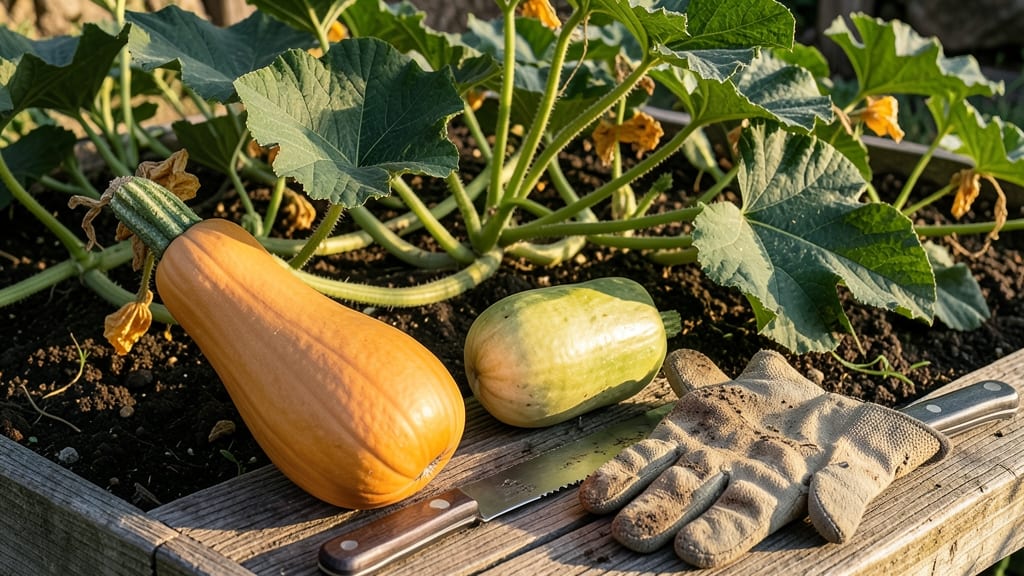
Knowing when to harvest butternut squash 🎃 means catching them at peak sweetness before they overripen — and the clues are right in front of you if you know what to look for.
Picture this: your butternut squash vines are heavy with fruit, but how do you tell if they’re ready to pick? Harvest too early, and you’ll get bland, watery flesh. Wait too long, and the flavor turns bitter.
The secret lies in the rind’s color shift, the stem’s dryness, and a simple thumb test that takes just 2 seconds.
In Zone 6a, where frost can sneak up by late October, timing matters even more.
You’ll learn how to spot the perfect moment — from the seed cavity turning white to the squash feeling rock-hard when pressed — so you never miss the window between 90 and 120 days after planting.
By the end, you’ll confidently twist off butternut squash at their prime, store them properly, and enjoy that rich, nutty flavor all winter long. No more guesswork, just perfect harvests every time.
Butternut squash harvesting signals: seed color & rind changes
Knowing exactly when to harvest your butternut squash prevents bitter flavors and wasted effort. The most reliable signals come from subtle visual changes in the seed cavity and rind. Let's break down what to watch for to ensure you pick your squash at peak ripeness.
First, examine the seed cavity inside the squash. When fully ripe, the seeds will shift from bright green to white or cream-colored. This color change indicates the squash has reached its sugar peak. Ignoring this cue often leads to harvesting too early, resulting in tough, stringy flesh.
Next, focus on the rind texture. A ripe butternut squash develops a hard, dull skin that resists gentle pressure from your thumbnail. If the rind feels soft or yields slightly, the squash needs more time on the vine.
This hardening process protects the fruit from pests and diseases during storage.
The stem attachment also provides critical clues. Look for a dry, papery stem that easily separates from the squash when twisted gently. A green, moist stem means the squash isn't ready yet. This drying signal often appears just before the seed color change, giving you a two-stage confirmation system.
Size matters too—ripe butternut squash typically reach 18-24 inches long and weigh 3-5 pounds. However, don't rely solely on measurements; some varieties stay smaller at maturity. Always combine size with the other visual cues for accuracy.
Here's a quick reference to help you spot these harvesting signals at a glance:
Timing your harvest correctly prevents overripe squash, which develops a hollow center and loses sweetness. In cooler climates, aim to harvest before the first frost—typically 90-120 days after planting. If you miss the window, store squash in a cool, dry place (50-55°F) for up to 3 months.
Pro tip: Harvest on a dry morning to allow the rind to cure properly. Use a sharp knife or pruners to avoid damaging the squash. Leave a 1-inch stem stub attached, as this helps prevent rot during storage.
Remember, these visual signals work together. If one cue seems off (like a hard rind but green seeds), wait another 3-5 days before harvesting. Patience ensures your butternut squash delivers that perfect balance of nutty sweetness and tender texture.
🎃
The thumb test & other proven butternut squash ripeness checks
Beyond just checking the rind color, butternut squash ripeness requires hands-on techniques to ensure peak flavor. The thumb test is my go-to method because it reveals the squash's internal readiness without cutting it open.
When the rind is firm enough to resist gentle thumb pressure but still yields slightly, that's your cue. This tactile check works especially well when combined with other visual and auditory cues.
Another foolproof trick is the tapping sound test. Give the squash a firm tap with your knuckles—ripe butternuts emit a hollow, deep sound, like knocking on a wooden door.
A dull thud means it's still immature. This method is particularly useful in late summer when squash are plentiful, and you need to quickly assess multiple fruits without damaging them.
Don't overlook the vine color changes as a secondary indicator. When the main vine starts yellowing or dying back, it's a strong signal that the squash are nearing harvest. However, this cue works best in cooler climates where frost isn't an immediate threat.
In warmer zones, you might need to rely more on the physical tests since vines can stay green longer.
How to Know When to Harvest Butternut Squash
- Perform the thumb test by pressing firmly on the rind—it should dent slightly but not give way completely.
- Tap the squash with your knuckles—ripe ones produce a deep, hollow sound like knocking on wood.
- Check the seed cavity—if the seeds are white and shriveled (not green), the squash is ready.
- Look for a dry, papery stem where the squash attaches to the vine.
- Gently twist the squash at the stem—it should separate cleanly without tearing the skin.
"A ripe butternut should feel heavy for its size—like holding a small watermelon."
For gardeners in USDA Zone 6a or warmer, timing is critical. If frost threatens before your squash are ready, harvest them slightly underripe—they'll continue ripening indoors for about 2 weeks.
Just avoid storing them in refrigerated conditions immediately; let them cure in a dry, warm spot first. This post-harvest curing process enhances sweetness and storage life.
Pro tip: Harvest in the morning after dew has dried to minimize disease risk from wet stems. Use a sharp knife or pruners to cut the squash from the vine, leaving a 2-inch stem attached.
This small stem stump helps prevent rot during storage. The key is consistency—check your squash every 2-3 days during peak season to avoid missing the perfect window.
Remember, butternut squash won't ripen further once picked, so don't wait too long. The moment they pass their prime, they'll start losing flavor and texture. With these methods, you'll never second-guess whether your harvest is ready to shine in soups, roasts, or baked dishes. Happy harvesting! 🎃