
Vegetables
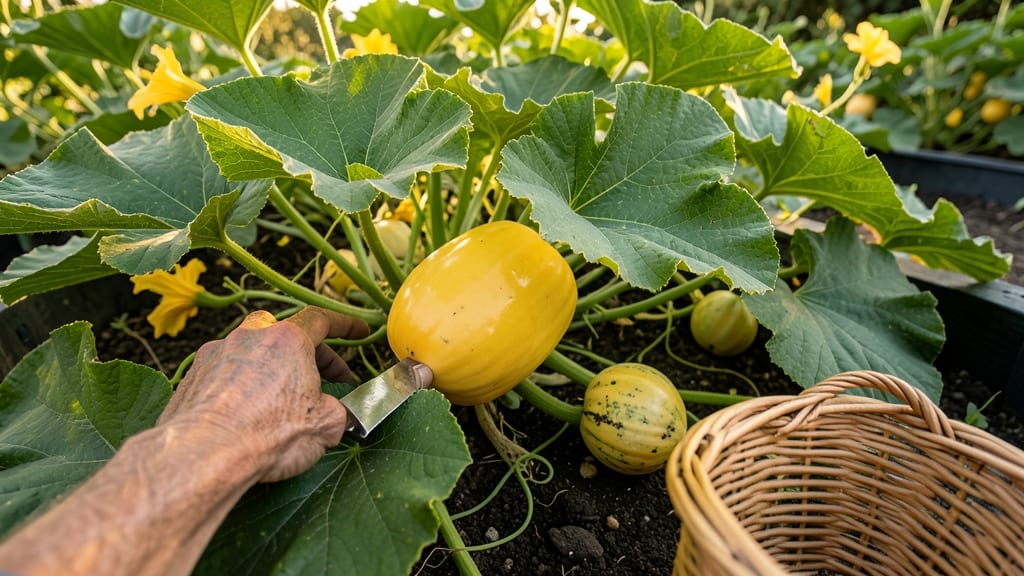
Harvesting yellow summer squash 🍆 at the right moment transforms a meal from bland to burstingly tender—usually when they’re 1-3 inches long and the skin yields just slightly to pressure.
Picking too early means tough, underdeveloped flesh, while waiting too long turns them into seedy, stringy giants. The difference between a perfectly ripe squash and one that’s past its prime comes down to timing, size, and a few simple visual cues.
In USDA Zone 6a, your summer squash typically hits peak harvest between July and September, but the real secret lies in daily checks for the ideal size, color, and texture—before the vines start sagging under the weight.
Below, I’ll walk you through the exact signs to look for, how to harvest without hurting the plant, and what to do if you miss the window. No more guesswork—just crisp, flavorful squash every time.


How to identify yellow summer squash ready for harvest by size and color
Yellow summer squash is one of my favorite garden rewards—when harvested at the right time, it delivers tender flesh and sweet flavor. The key lies in watching for three critical cues: size, skin color, and texture.
Ignore these, and you might end up with woody squash or bitter seeds. Let’s break down exactly what to look for.
Most yellow summer squash varieties, like 'Golden Summer' or 'Straightneck', reach peak harvest readiness when they’re 6-8 inches long. This is your ideal size range—any smaller, and the squash may still be underdeveloped; any larger, and the skin thickens, making it tough and seedy.
I always measure mine with a tape measure or compare against a ruler for accuracy.
The skin color is another dead giveaway. Young squash start light green near the stem, but as they mature, the color shifts to golden yellow. When fully ripe, the entire squash—including the stem end—should be a bright, even yellow.
Uneven coloring or lingering green patches mean it’s not ready yet.
| Harvest Cue | Specification | What It Means |
|---|---|---|
| Size | 6-8 inches long | Peak tenderness and flavor |
| Skin Color | Bright, even yellow | Fully mature and ripe |
| Stem End | Yellow (not green) | Ready for harvest |
| Texture | Slightly soft when pressed | Optimal ripeness |
| Stem Flexibility | Snaps easily when bent | Harvest-ready |
Don’t rely solely on size—texture is just as important. Gently press your thumbnail into the squash’s skin. If it yields slightly but doesn’t leave a deep dent, it’s perfect. A hard, unyielding surface means it’s underripe, while a soft, mushy feel signals overripeness.
I also check the stem: when ready, it should snap cleanly when bent, not tear or resist.
One of the biggest mistakes I see is waiting until the squash is too large. By the time it reaches 10+ inches, the seeds inside become large and bitter, and the flesh turns woody.
On the flip side, harvesting too early—when squash are smaller than 5 inches—results in underdeveloped flavor and thin skin that bruises easily. Consistency is key: aim to harvest every 2-3 days during peak production.
Another pro tip? Pay attention to the plant’s growth pattern. If squash appear all at once, it’s a sign the plant is overloaded. In this case, harvest the largest ones first to encourage more production.
I’ve found that morning harvests work best—squash are cooler and firmer, making them easier to handle without bruising.
Seasonal timing matters too. In USDA Zone 6a (where I garden), yellow summer squash typically ripen between July and early September. If you’re in a warmer climate, your harvest window may extend later, but the size and color rules stay the same.
Always adjust for your local growing season to avoid missing the peak harvest window.
For variety-specific guidance, check the seed packet—some squash, like 'Early Prolific', mature faster (45-50 days) than others like 'Yellow Crookneck' (55-60 days). But regardless of variety, the
Best practices for harvesting yellow summer squash without damaging plants
Harvesting yellow summer squash at the right time isn't just about getting a good meal—it's about keeping your plants productive and healthy. When you pull squash too early, you waste potential harvests, but leaving them too long leads to tough, seedy vegetables.
The key is a gentle approach that encourages your plants to keep producing while giving you the best flavor and texture.
I always start my harvests in the early morning when the squash is cool and crisp. This timing reduces stress on the plants and gives me the freshest produce. Plus, harvesting before the heat of the day helps prevent wilting.
If you miss morning, late afternoon works too, but avoid harvesting during peak sun when the squash is most vulnerable to damage.
Now, let's talk about the tools you'll need. For most gardeners, a sharp pair of pruning shears or clean scissors works perfectly. These tools allow you to cut the squash cleanly without pulling or tearing the plant.
If you prefer hand-picking, use a firm grip and twist gently to avoid damaging the stem. The goal is to leave the plant looking as good as possible so it can keep producing.
Frequency is everything when it comes to summer squash. These plants are prolific producers, and they reward consistent harvesting with more squash. Aim to pick every 2-3 days during peak production.
If you notice squash starting to grow larger than 8 inches, it's time to act quickly—they'll go from tender to tough in just a few days. Regular harvesting also prevents pests and diseases that thrive in crowded, overgrown plants.
After harvesting, handle your squash with care. Place them in a single layer on a tray or in a breathable container to prevent bruising. Store them in a cool, dry place—like your pantry or fridge—where they'll stay fresh for up to a week.
If you're not using them immediately, consider blanching and freezing for long-term storage. This method preserves their texture and flavor for months.
One common mistake I see is harvesting by simply pulling the squash off the vine. This can damage the plant and leave it vulnerable to pests. Instead, use your pruners to cut the squash about 1 inch from the vine.
This clean cut promotes faster healing and keeps the plant healthy. And always wash your tools between cuts to prevent the spread of disease.
By following these simple practices, you'll enjoy a bountiful harvest of tender, flavorful yellow summer squash all season long. Your plants will thank you with continuous production, and your table will thank you with delicious, homegrown meals. Happy harvesting! 🍆