
Vegetables
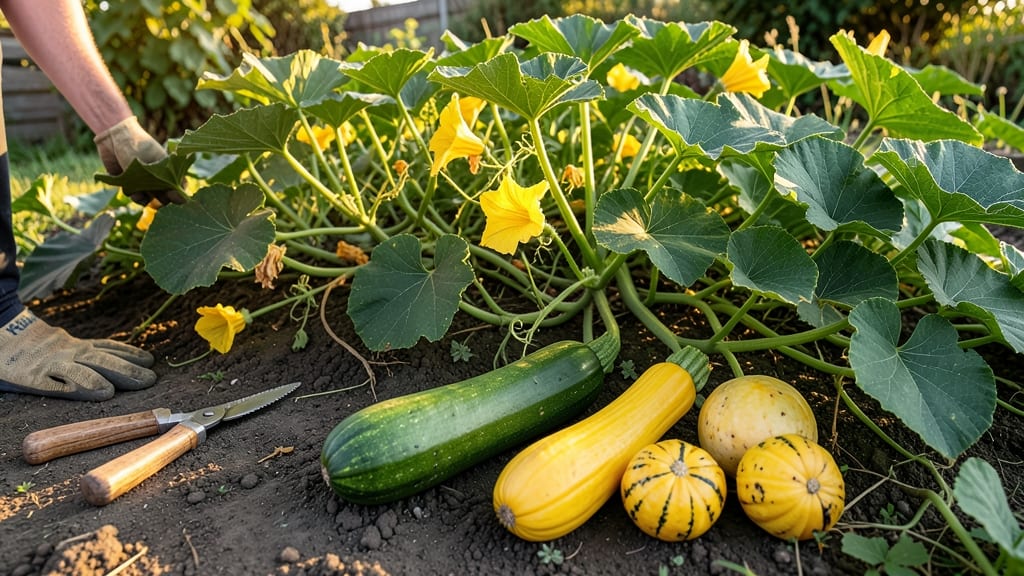
Harvesting summer squash at the right time means the difference between a tender, flavorful meal and a woody, seedy disappointment — and it’s easier than you think.
Picture this: you’ve nurtured your 🎃 plants all season, only to find your squash either too small or rock-hard when you finally pick them. That’s the frustration of missing the window, and it’s completely avoidable with just a few simple checks.
Most varieties are ready to harvest about 50–60 days after transplanting, but the real key lies in size, skin texture, and stem color.
A squash that’s 6–8 inches long with a glossy, slightly yielding skin is prime — and ignoring these signs can mean sacrificing flavor or dealing with overripe messes.
In this guide, I’ll walk you through the three foolproof signs to pick your summer squash at peak freshness, how often to check your plants, and what to do if you miss the mark. No more guesswork, just perfect harvests every time.
3 Unmistakable signs your summer squash is ready for harvest
Summer squash thrives when harvested at the perfect moment—before it becomes tough, seedy, or overgrown. I’ve learned the hard way that waiting too long turns my prized zucchini into a rock-hard, bitter mess.
The key lies in three simple but critical cues: size, skin texture, and stem separation. Master these, and you’ll enjoy tender, flavorful squash every time.
Most summer squash varieties—like zucchini or yellow crookneck—reach peak ripeness in just 50–60 days after transplanting. But timing isn’t just about days; it’s about the squash’s physical cues.
Ignore them, and you’ll end up with a garden full of oversized, woody squash that’s nearly impossible to eat raw or grill properly.
Here’s the game-changer: a quick, tactile check that takes less than 10 seconds. No guesswork, no second chances—just a foolproof way to know when to pick. Let’s break it down into the three unmistakable signs that scream, “Harvest me now!”
-
1. Size Matters: 6–8 Inches Long
Most summer squash varieties are ready when they reach 6–8 inches in length. Measure from blossom end to stem end—if it’s smaller, wait a few days. If it’s larger, you’ve missed your window!
-
2. Skin Yields Like a Ripe Tomato
Press your thumbnail into the skin. If it sinks slightly but doesn’t dent deeply, it’s perfect. Hard skin means it’s underripe; soft or spongy skin signals overripeness.
-
3. Stem Snaps Cleanly at the Base
Gently twist the squash at the stem. If the stem snaps off easily with a slight crack, it’s ready. A green, unbroken stem means it’s not ripe yet.
Pro tip: Morning harvests are ideal because squash firm up slightly overnight. Grab a basket and check your plants every 2–3 days once they start flowering.
Summer squash grows fast, so don’t wait—once it’s past 8 inches, the seeds inside will start developing, turning your squash into a winter storage candidate (if you’re lucky).
I once left a zucchini on the vine for a week past its prime, and it grew to the size of a baseball bat. The skin was tough enough to use as a cutting board, and the seeds inside were as big as peas.
Lesson learned: Harvest early, harvest often! The more you pick, the more your plant produces.
Color can also be a clue, but it’s variety-dependent. Green zucchini should have a deep, glossy hue, while yellow varieties like yellow straightneck will turn a rich, golden shade.
However, don’t rely solely on color—some squash stay green even when ripe. Always combine color with the other two signs for accuracy.
One common mistake I see is harvesting based on size alone. A squash might be 8 inches long but still rock-hard inside if it hasn’t had enough time to mature.
That’s why the skin texture test is non-negotiable. It’s the best way to gauge internal tenderness without cutting into the squash.
If you’re growing heirloom varieties or larger squash like pattypan, they may take a few extra days to reach peak ripeness. But the same rules apply: check for stem separation and skin tenderness.
Overripe squash loses its sweetness and becomes fibrous, so don’t let it linger on the vine.
Finally, store your freshly harvested squash in a cool, dry place (not the fridge) for up to a week. If you’re not using it immediately, slice it and freeze it for later—just don’t let it sit on the counter until it’s past its prime.
Your future self (and your taste buds) will thank you!
How often to check summer squash plants for optimal harvesting
Summer squash grows quickly, so daily inspections during peak harvest season are essential for catching the perfect moment. I’ve learned that morning checks work best—cooler temperatures mean firmer squash, making it easier to assess ripeness accurately. Start monitoring 40-50 days after transplanting, when plants begin producing flowers.
Your inspection routine should focus on three key areas: size, skin texture, and stem condition. I’ve found that squash left unchecked for more than 48 hours can overripen rapidly, especially in hot weather.
This is why I recommend setting a daily reminder or tying your harvest checks to your morning watering routine.
-
📅 Early Season (First 3 Weeks)
Check every 2-3 days—squash appears quickly. Focus on smaller varieties like zucchini that mature in 40-45 days. -
🌞 Peak Season (Weeks 4-8)
Daily inspections are critical. Harvest every 2-3 days to prevent overcrowding, which stresses plants and reduces yield. -
🍂 Late Season (After Week 8)
Reduce checks to every 3-4 days as plants slow production. Prioritize larger varieties like pattypan, which take 55-60 days to mature. -
🌡️ Heatwave Adjustments
In temperatures above 90°F, check twice daily—squash can overripe in 24 hours. Store harvested squash in a cool, shaded area until use.
Regional growing seasons also affect your harvest schedule. In warmer climates (Zones 8-10), summer squash may produce continuously from May through October, requiring consistent daily checks. Meanwhile, in cooler zones (4-7), focus inspections on a 6-8 week window between late June and early August.
I’ve noticed that early morning harvests yield the freshest squash, as evening heat can toughen the skin. Use a sharp knife or pruners to cut stems, leaving a 1-inch stem attachment to preserve shelf life.
Always harvest before the squash reaches 10 inches, as this signals overmaturity and seedy interiors.
For container growers, check plants every 48 hours—potted squash mature faster due to limited root space. If you’re growing multiple varieties, keep a small notebook to track which plants produce first.
This helps you stay organized during the 3-4 week peak harvest window when most squash varieties are ready simultaneously.
Finally, don’t forget to rotate your harvest approach based on plant health. If you notice yellowing leaves or stunted growth, reduce inspections temporarily and focus on addressing nutrient or water needs. A healthy plant will reward you with consistent, high-quality harvests all season long. 🌱