
How To
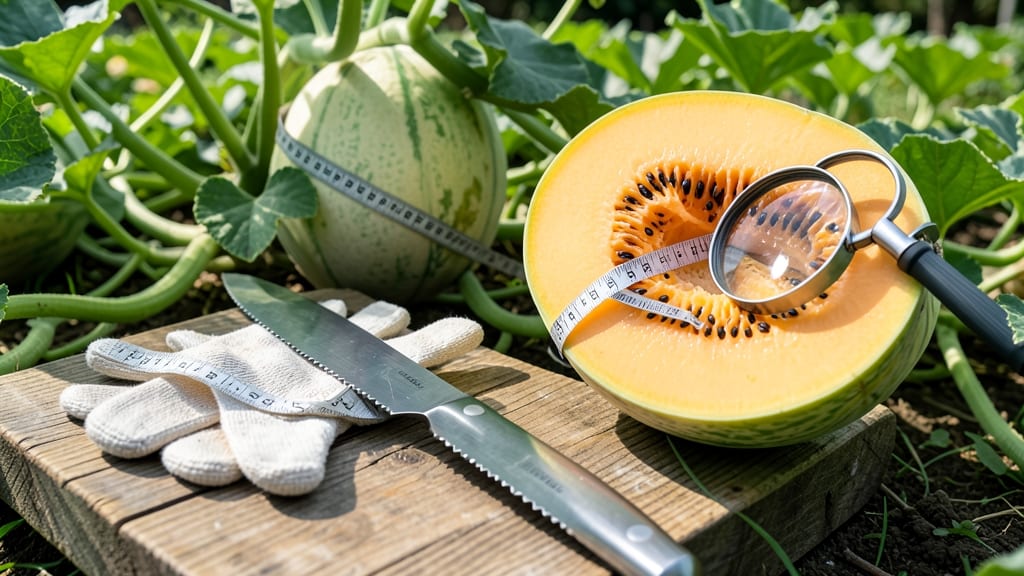
Knowing when to harvest cantaloupe means catching that perfect moment when sweetness peaks and texture is just right—so you don’t end up with bland or overripe fruit.
Picture this: you’ve waited months for your 🍈 cantaloupe to ripen, only to pick it too early and taste disappointment. The good news? A simple slip-and-scent test can change everything.
This guide breaks down the three key signs of ripeness—vine slip, stem separation, and that unmistakable aroma—so you’ll never guess again. We’ll also cover climate-specific timing and the mistakes that ruin flavor.
By the end, you’ll confidently harvest cantaloupes at their sweetest, whether you’re in a warm 6a zone or cooler region. Ready to master the art?


The slip-and-scent test: 3 key signs your cantaloupe is ready to harvest
Harvesting cantaloupe at the right moment means the difference between a mild, mealy fruit and one bursting with sweet, honey-like flavor. Many gardeners rely on size alone, but cantaloupes don’t always ripen uniformly.
The slip-and-scent test combines three foolproof cues—vine separation, rind texture, and aroma—to guarantee peak ripeness every time. Let’s break down each clue so you’ll never guess again.
First, understand that cantaloupes never ripen off the vine. Unlike some fruits, they won’t sweeten after picking, so timing is critical. The vine slip test is your first checkpoint: when the fruit detaches easily with a gentle twist, it’s ready.
But combine this with visual and olfactory cues for absolute confidence. Pro tip: Check melons in the late morning when temperatures are mildest for the most accurate results.
🔍 3 Non-Negotiable Signs of Perfect Ripeness
-
1. The Vine Slip
Gently twist the cantaloupe near its stem. If it slips free with minimal force, it’s ripe. Resistance means it needs more time. -
2. Stem Separation
Look for a dry, brown stem where the fruit meets the vine. A green or moist stem signals immaturity. -
3. Sweet Scent
Near the stem, sniff for a powerful, musky aroma. No smell? It’s not ready yet—wait a few more days.
Let’s dive deeper into the vine slip test, the most reliable indicator. When cantaloupes ripen, their vine attachment weakens due to natural enzymatic activity. To test: Place your thumb and forefinger around the stem’s base and twist gently.
A ripe cantaloupe will separate cleanly, almost as if it’s begging to be picked. If the stem resists or tears, leave it another 2–3 days. This test works best in warm, dry conditions, so avoid testing after rain when vines may feel slippery.
The rind’s creamy hue is another dead giveaway. Mature cantaloupes develop a dull, tan or cream-colored rind with a net-like pattern that’s less pronounced than on unripe fruits. Avoid green patches—these indicate immature areas that’ll never sweeten.
Pro growers also check for blush spots (yellow-orange patches) near the stem, a classic sign of ripeness. In cooler climates, these colors may appear more subtly, so rely more on the slip test.
Your nose knows best when it comes to cantaloupe. A ripe fruit emits a distinct, sweet, musky fragrance near its stem—almost like a mix of honey and fresh-cut grass. If you’re near the melon and can’t smell it clearly, it’s not ready.
Sniffing is especially critical for heirloom varieties, which often have milder visual cues but intense aromas. For extra accuracy, cut a small section of the rind and smell the pith (the white, spongy layer). A ripe cantaloupe’s pith smells pleasantly sweet.
Climate plays a surprising role in cantaloupe ripening. In hot, dry regions (like USDA Zones 8–10), melons may ripen faster and develop stronger scents. Conversely, in cooler or humid zones (like Zones 4–6), fruits can take longer to ripen and may have less pronounced colors.
Adjust your expectations: if your cantaloupes are smaller but slip easily, they’re likely ripe despite their size. Always prioritize the slip-and-scent test over fruit dimensions.
Common mistakes can derail your harvest. One trap is harvesting by size alone. Cantaloupes can grow to full size while still tasting bland—their sweetness develops last. Another error is ignoring the vine’s health. If the vine looks wilted or diseased, the fruit may never ripen properly.
Finally, some gardeners wait too long, leading to overripe melons with fermented scents and soft spots. Balance is key: trust the slip test, but don’t let melons sit past their prime.
To streamline your harvest, create a weekly cantaloupe check routine. On sunny mornings, inspect 2–3 melons per plant for the slip test, then confirm with scent and rind color. Mark ripe fruits with a soft-tip marker or twist a nearby leaf to signal their readiness.
This system prevents overripe melons from spoiling on the vine while ensuring you don’t miss a single ripe fruit. For large gardens, set a reminder every 3–4 days during peak harvest season (typically July–August in most regions).
Once you master these cues, your cantaloupe harvests will be consistently sweet and flavorful. The slip-and-scent test isn’t just a trick—it’s a science-backed method used by commercial growers. Next time you’re tempted to pick a cantaloupe based on size or days since flowering, pause and perform the test.
Your taste buds will thank you with every juicy, honeyed bite. Happy harvesting! 🍈
Common harvest mistakes that ruin cantaloupe flavor (and how to avoid them)
Harvesting cantaloupe too early or too late can turn your hard work into disappointment. Many gardeners make avoidable mistakes that leave melons bland, seedy, or overly fibrous. The key is understanding visual cues and physical tests that reveal true ripeness—beyond just size or days since planting.
One of the biggest errors is relying on size alone. A cantaloupe can be large but still underripe, lacking sweetness. Meanwhile, smaller melons sometimes pack more flavor if harvested at the perfect moment. Ignoring these signs leads to wasted harvests and frustration.
Another common pitfall is harvesting based on color without checking the vine. Some varieties develop creamy yellow rinds while still needing time on the vine. Without the slip-and-scent test, you might pick too soon—or miss the window entirely.
⚠️ Warning: Overripe Cantaloupe Signs
Avoid these red flags that ruin flavor:
- 🟢 Hard rind – Pressing with your thumbnail leaves no dent.
- 👃 No aroma – No sweet fragrance near the stem.
- 🍈 Soft spots – Overly mushy texture when squeezed.
- 🌬️ Wind-blown vine – Fruit falls off easily (too late!).
Pro Tip: Harvest in the morning for cooler fruit and better flavor.
Climate also plays a role. In warmer zones (6a+), cantaloupes ripen faster—sometimes in as few as 70 days. But in cooler regions, they may need 90 days or more. Tracking days to maturity helps, but always verify with the slip test.
Finally, overcrowding vines stresses plants, leading to smaller, less flavorful melons. Prune excess runners early to focus energy on fewer, sweeter fruits. Thin fruits when they’re golf-ball sized to prevent competition.
By avoiding these mistakes—checking the vine, testing scent, and accounting for climate—you’ll harvest cantaloupes bursting with perfect sweetness every time. The secret? Patience and precision pay off in flavor. 🌱