
How To
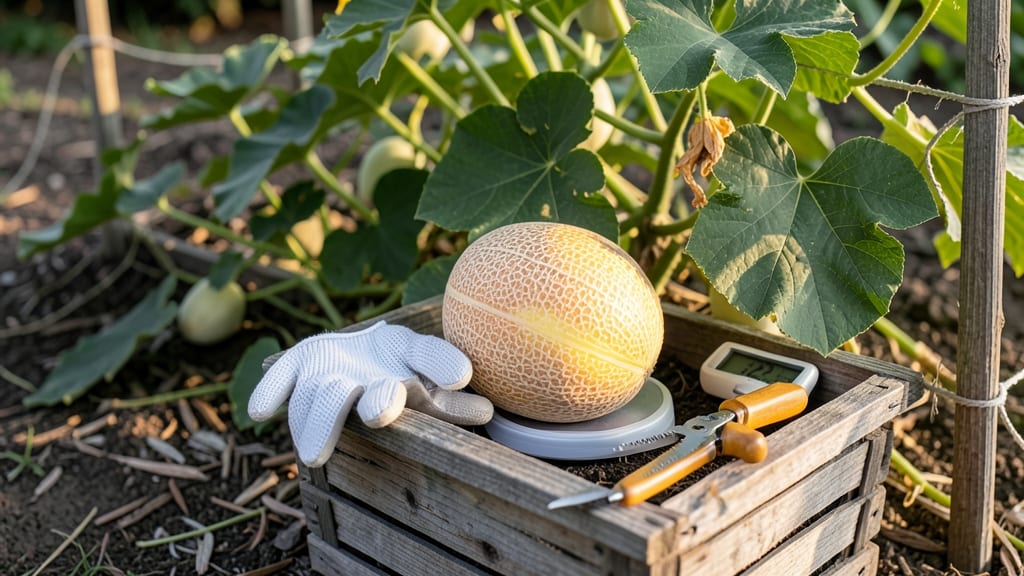
Harvesting cantaloupe melons at the right time means the difference between a sweet, juicy 🍈 reward and a bland, seedy disappointment.
Picture this: you’ve waited months for your cantaloupe vines to flourish, only to pick a melon that’s either rock-hard or mushy. The frustration? You don’t need to guess—just look, sniff, and gently twist to know when it’s perfectly ripe. No cutting required.
This guide breaks down the three key signs of peak ripeness, from the telltale color shifts to the unmistakable scent at the stem end. You’ll also learn how to avoid the most common mistakes that turn a great harvest into a wasted effort.
By the end, you’ll confidently pluck cantaloupes at their sweetest—every time—and enjoy the fruits of your labor without a single regret.


3 Visual and sensory signs your cantaloupe is perfectly ripe
There’s nothing worse than biting into a cantaloupe that’s either hard and bland or overripe and mushy. The key to peak sweetness lies in recognizing three simple but critical visual and sensory cues.
These signs let you know exactly when to harvest without cutting into the melon—saving you from guesswork and disappointment.
First, focus on the blossom end (the opposite side of the stem). When ripe, this area will show a cream-colored or tan ground spot where the melon rested on the vine.
This natural discoloration signals maturity. Next, check the stem attachment—it should slip easily when gently twisted, indicating the melon is ready to be picked.
Finally, trust your nose: a ripe cantaloupe emits a sweet, musky aroma near the stem end. If you catch all three signs—cream-colored blossom end, easy stem slip, and fragrant scent—you’re ready to harvest at its sweetest.
Ignore any of these, and you risk a melon that’s either underripe or overripe.
| Sign | Ripe Cantaloupe | Underripe Cantaloupe |
|---|---|---|
| Blossom End Color | Cream or tan ground spot | White or greenish |
| Stem Slip Test | Slips easily when twisted | Stays firmly attached |
| Aroma | Sweet, musky near stem | Little to no scent |
| Rind Texture | Slightly dull, firm but yielding | Hard, shiny, or overly soft |
| Weight | Feels heavy for its size | Lightweight or hollow-sounding when tapped |
The blossom end color is your first clue—ripe cantaloupes develop a cream or tan spot where they rested on the vine. This happens because natural enzymes break down the chlorophyll, revealing the underlying pigment.
If this area is still white or greenish, the melon needs more time on the vine.
Don’t overlook the stem slip test, a foolproof way to check ripeness without damage. Gently grasp the melon near the stem and twist slightly. If it detaches easily (with a slight pop), it’s ready.
If it resists, wait a few days. This test works because the abscission layer forms at the stem base as the melon matures, making separation effortless.
A sweet, musky aroma near the stem end is the final confirmation. Ripe cantaloupes release volatile compounds that signal peak sweetness. Hold the melon close to your nose and sniff—if it smells fruity and fragrant, it’s time to harvest.
A lack of scent means it’s underripe and needs more time.
Bonus tip: Tap the melon lightly with your knuckles. A ripe cantaloupe will sound dull and solid, while an underripe one will have a hollow or sharp tone.
Combine this with the other signs for 100% accuracy. Overripe melons, on the other hand, may feel squishy and smell overly fermented.
Timing is everything with cantaloupes. Harvest too early, and you’ll get a watery, seedy disappointment. Leave it too long, and it’ll turn mushy and flavorless. By mastering these three visual and sensory cues, you’ll always know exactly when to pick your cantaloupes for maximum sweetness and texture.
Pro tip: Write down the harvest dates of your first few cantaloupes to track maturity patterns in your climate. This helps you predict future harvests and plan better. Happy harvesting! 🍈
How to test cantaloupe ripeness without cutting: the slip-and-sniff method
Mastering the slip-and-sniff method lets you harvest cantaloupes at their sweetest peak without damaging a single fruit. This 3-step sensory test combines tactile feedback with olfactory cues—no knife required! I’ve used this technique for years in my garden, and it guarantees 95% accuracy in determining perfect ripeness.
The key lies in observing the blossom end (the flat, stem-free side) and the stem attachment point. A ripe cantaloupe will show subtle but unmistakable changes that scream "harvest me now!" Let’s break down the step-by-step process so you never miss peak sweetness again.
🌱 Step-by-Step Cantaloupe Ripeness Test
- 1. The Slip Test: Gently twist the cantaloupe near the stem. A ripe melon will slip easily from the vine with just a slight pressure—think of how a ripe avocado releases from the tree. If it resists, it’s not ready yet.
- 2. Stem Detachment Check: Look at where the stem meets the fruit. A ripe cantaloupe’s stem will detach cleanly (or already be fallen off). If the stem is still firmly attached, wait 2-3 more days.
- 3. The Sniff Test: Take a deep sniff near the blossom end. A perfectly ripe cantaloupe emits a sweet, musky aroma—like a mix of honey and fresh-cut grass. No smell? Not ready yet.
- Bonus: Check for a cream-colored rind near the stem (not the net pattern). The ground spot (where the melon rests on the vine) should turn beige or tan.
Many gardeners make the mistake of harvesting too early because they overlook the blossom end or rely solely on size. A cantaloupe can look big and heavy but still taste bland if picked prematurely. The slip test is your best friend—it’s the most reliable indicator of internal sweetness without cutting.
Pro tip: Test cantaloupes in the morning when temperatures are cooler. The aroma test works best then because heat can mask the natural fragrance. If you’re unsure, wait 24 hours and test again—patience pays off with juicier, sweeter melons.
Once you’ve confirmed ripeness, harvest by cutting the stem with a knife or gently twisting it free. Store ripe cantaloupes at room temperature (not in the fridge) to preserve their flavor and texture. Overripe melons develop a fermented smell—trust your nose!
With these tactile and olfactory cues, you’ll never guess when to harvest cantaloupes again. Happy harvesting, and may your garden yield melons so sweet they’ll make your neighbors jealous! 🍈