
Picking
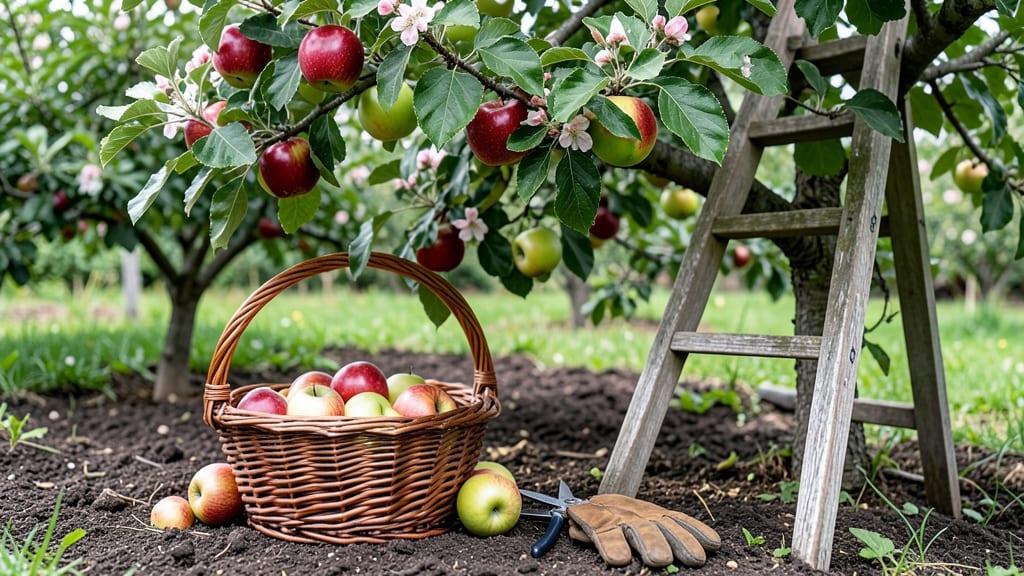
Knowing the exact dates to harvest apples ensures you enjoy fruit at its sweetest, juiciest peak—whether you're growing your own 🍎 or visiting a local orchard.
Picture this: you take a bite of a crisp apple, and it’s less than perfect—too tart, too soft, or just not quite there. That’s the risk when you don’t time your harvest right.
The wrong moment means wasted effort, while the perfect moment turns a simple apple into a flavor explosion.
Apple harvest dates vary wildly depending on the variety—think Fuji in late August versus Granny Smith lingering into October—and your climate zone. In USDA Zone 6a, where many home growers live, early-season apples like McIntosh might be ready by mid-August, while late-season Honeycrisp could hold out until early October.
Below, I’ll break down the key factors—from color changes and stem separation to regional frost risks—that help you pinpoint the best moment to pick. No more guesswork, just perfect apples every time.
Apple harvest dates by variety: when to pick for perfect ripeness
Timing your apple harvest correctly is the key to enjoying fruit at its peak—juicy, sweet, and bursting with flavor. Each apple variety has a unique harvest window, often spanning 4-8 weeks, and knowing these dates ensures you don’t miss the perfect moment.
Regional climate also plays a role, with cooler areas extending harvests later into fall. Whether you're harvesting from a backyard tree or a commercial orchard, understanding these timelines transforms guesswork into a guaranteed harvest success.
Apples ripen gradually on the tree, and picking too early means tart, underripe fruit, while waiting too long risks dropping or spoiling fruit. The three key ripeness indicators—color development, stem separation, and firmness—vary by variety.
For example, Granny Smith apples stay green until fully ripe, while Honeycrisp develops a golden blush. Below, I’ve broken down the harvest dates for popular varieties, including regional adjustments and visual cues to watch for.
📅 Pro Tip: Always check for stem separation—the best indicator of ripeness. Gently grasp the apple and twist: if it separates cleanly from the stem, it’s ready. If it resists, wait a few more days.
| Variety | Harvest Window (USDA Zone 6) | Color at Ripeness | Firmness | Regional Adjustments |
|---|---|---|---|---|
| Fuji | Late September to early October | Red with yellow-green blush | Firm, crisp | Warmer climates: 2-3 weeks earlier |
| Gala | Mid-September to mid-October | Orange-red with yellow background | Crisp, slightly soft | Cooler climates: extend to late October |
| Granny Smith | Late September to November | Bright green (stays green) | Very firm, tart | Southern US: harvest as early as August |
| Honeycrisp | Late September to early October | Yellow with red-orange blush | Extra crisp, juicy | Northern climates: extend to mid-October |
| McIntosh | Early to mid-September | Red with yellow-green background | Softens quickly after picking | Harvest early to avoid softening |
| Pink Lady (Cripps Pink) | Mid-September to October | Red with green-yellow base | Firm, slightly tart | Warmer zones: harvest in September |
| Jonagold | Late September to November | Red-streaked yellow | Firm, sweet-tart | Cooler areas: extend to December |
For Fuji apples, the harvest window is tight—typically late September to early October in most of the U.S. Look for a red blush over a yellow-green base and a firm texture.
In warmer climates, like California or the Southern U.S., you can expect harvests 2-3 weeks earlier, often starting in mid-September. Conversely, in cooler northern regions, such as the Pacific Northwest or New England, the harvest may stretch into early November.
If you're growing Granny Smith apples, don’t be fooled by their bright green color—they stay green until fully ripe. These apples often harvest later, from late September through November, depending on your location.
In Southern states, you might even harvest as early as August, while Northern growers should wait until October or November to ensure full flavor development. Always check for stem separation and a firm, crisp texture.
🌡️ Climate Note: Early frosts can ruin a harvest, so monitor frost forecasts in your region. If frost is predicted before your apples are ready, consider harvesting slightly early and storing them in a cool, dark place to finish ripening.
For Honeycrisp apples, the harvest window is another critical period—late September to early October. These apples are prized for their juicy, crisp texture, so timing is everything. In Northern climates, like Minnesota or Upstate New York, the harvest may extend into mid-October due to cooler temperatures.
Watch for a golden-yellow skin with red-orange blush and a s
Regional apple harvest seasons: northern vs southern climates
Your location plays a huge role in determining apple harvest dates. In northern climates (USDA Zones 3-6), cooler temperatures slow fruit maturation, pushing harvests into late summer or fall. Meanwhile, southern climates (Zones 7-10) often see earlier harvests due to longer growing seasons and warmer winters.
Understanding these differences helps you time your harvest for peak flavor and avoid frost damage.
In northern regions, varieties like Honeycrisp and Granny Smith typically ripen between late August and October. The cooler nights help develop complex flavors, but early frosts can ruin the harvest.
Southern growers, however, might pick early-season varieties like Anna or Braeburn as early as June or July, thanks to milder winters and extended growing periods.
| Region | Climate Zone | Harvest Window | Key Varieties |
|---|---|---|---|
| Northern Climates | USDA Zones 3-6 | Late August - October | Honeycrisp, Fuji, Granny Smith |
| Southern Climates | USDA Zones 7-10 | June - September | Anna, Braeburn, Early Red |
| Frost Risk | High (Northern) | Low (Southern) | Use frost cloths or harvest early |
Frost is the biggest threat to late-season harvests in northern areas. A single 28°F night can damage unripe fruit, so monitor weather forecasts closely. In southern climates, heat stress becomes the concern—apples may ripen too quickly or develop sunburn.
Choosing heat-tolerant varieties like Anna or Golden Delicious helps mitigate these risks.
Storage strategies also differ by region. Northern-grown apples often store well for 3-6 months in cool, humid conditions, while southern apples—harvested earlier—may only last 1-3 months due to thinner skins. For long-term storage, select firm, unblemished fruit and keep them at 32-40°F with high humidity to preserve freshness.
If you're in a transition zone (like Zone 7), you might enjoy a mix of early and late varieties. Plant early-season apples near your home for quick access and late-season varieties further from the house to avoid frost damage.
This staggered approach extends your harvest window and ensures a steady supply of fresh fruit.
Regardless of your location, always test for stem separation and color consistency before harvesting. These cues, combined with regional timing, guarantee you’ll enjoy apples at their peak—whether you're in a chilly northern orchard or a warm southern grove. 🍎