
How To
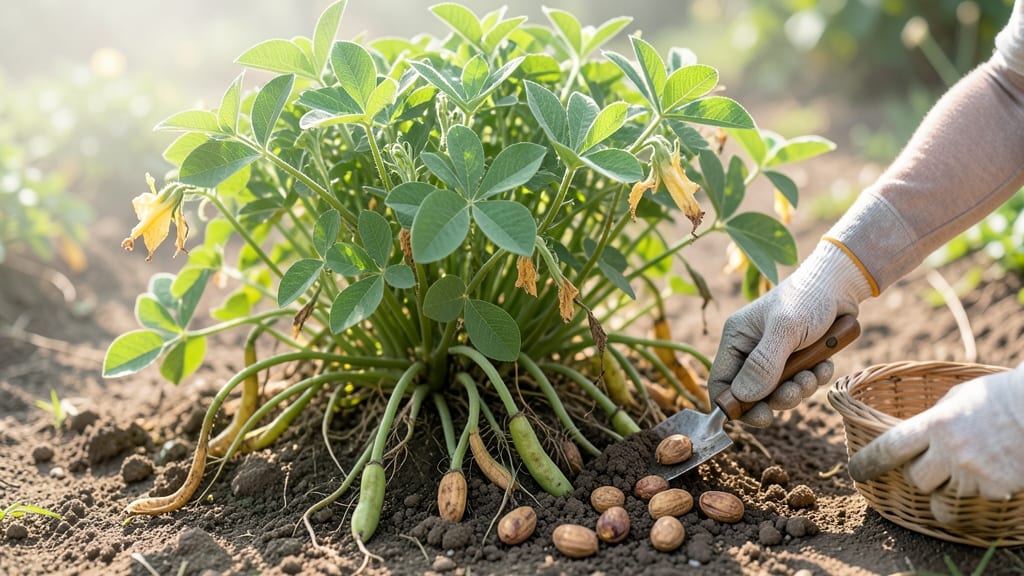
Knowing when to harvest peanuts 🥜 depends on three key cues: shell color, leaf yellowing, and pod firmness—each one signaling that your crop is ready to pull from the soil.
Peanuts are one of the trickiest crops to harvest—get it wrong, and you risk losing your entire yield to rot or underdevelopment. But with the right timing cues, you can ensure a bountiful harvest of flavorful, plump peanuts every time.
In USDA Zone 6, where most home gardeners grow peanuts, the harvest window opens in late summer—typically between September and October—but the exact moment depends on how your plants look, not just the calendar.
Below, I’ll walk you through the visual and tactile signs to watch for, including how to perform the dig test to confirm maturity, so you never miss peak flavor or waste your hard work.
Peanut harvest timing: 3 key signs your peanuts are ready to dig
Peanuts are unique because they develop their edible pods underground, making harvest timing tricky. Unlike above-ground crops, you can't simply pick them when they look ripe—you need to watch for subtle visual and tactile clues that signal maturity.
Miss these cues, and you risk digging up underdeveloped peanuts or leaving them in the ground too long, where they'll rot before harvest. The good news? With these three key signs, you'll know exactly when to dig for perfect, plump peanuts.
First, let's talk about the science behind peanut maturity. Peanuts develop underground after flowering, and their pods only reach full flavor and size when they've completed their growth cycle.
This usually takes 120-150 days from planting, but environmental factors like temperature and soil conditions can speed up or slow down development. That's why relying on plant signals rather than days since planting is your best strategy.
Here's the golden rule: Peanuts are ready to harvest when all three of these signs appear simultaneously. Checking for just one or two might leave you guessing. For example, yellowing leaves alone don't guarantee maturity—you still need to verify pod development.
Let's break down each sign so you can confidently determine when your peanuts are harvest-ready.
- 1 Foliage Yellowing & Drying Back: When 70-80% of leaves turn yellow-brown and crisp, it's a strong sign. This happens as the plant redirects energy to pod maturation underground. Healthy green leaves mean more growing time is needed.
- 2 Pod Shell Hardening & Color Change: Mature peanut shells turn from light green/white to tan or brown and feel hard and papery. Gently squeeze a pod—if it doesn't dent easily, it's ready. Soft or dented shells mean more time in the ground is needed.
- 3 Rattling Sound When Shaken: Hold a vine near the soil and give it a gentle shake. If you hear a dry rattling (like a handful of marbles), pods are fully developed. No sound? They're not ready yet. This works best in the morning when pods are dry.
Let's dive deeper into the foliage yellowing sign, which is often the first visible cue. As peanuts mature underground, the plant's above-ground foliage begins to senesce (a natural aging process). This isn't the same as disease-related yellowing, which appears patchy and often includes dark spots or wilting.
Healthy yellowing starts at the leaf edges and moves inward, eventually causing leaves to crisp and dry out. In my garden, I've seen this process take 7-10 days from start to finish.
The pod shell color change is where many gardeners go wrong—they assume peanuts are ready just because the vines look mature. But shell color is your most reliable indicator of internal maturity. Immature shells stay light green or white and feel soft, almost like a fresh green bean.
Mature shells, however, develop a leathery texture and a color closer to tan or light brown. Pro tip: Dig up one plant early to check shell color if you're unsure about your main crop.
Don't overlook the rattling sound test, which is my personal favorite because it's so tactile. This test works because mature peanuts have fully developed seeds inside their shells, creating air pockets that make that distinctive sound.
I like to perform this test in the early morning when pods are dryest. If you hear rattling in multiple spots along the vine, it's time to harvest. For extra accuracy, combine this test with the other two signs for a three-pronged confirmation.
Timing is everything with peanuts, and frost risk adds another layer of urgency. In USDA Zone 6 (like my garden), the first frost typically arrives in mid-October. If your peanuts aren't ready by then, you'll need to harvest early and finish curing them indoors.
Early harvesting can reduce yield, but frost-damaged peanuts are nearly unusable. That's why I always aim to harvest by early September in my climate.
One common mistake I see is harvesting based on days since planting alone. While peanuts generally take 120-150 days to mature, environmental factors like soil temperature and rainfall can shift this window.
For example, hot, dry summers often speed up maturity, while cool, wet seasons can delay it. That's why relying on plant signals rather than a calendar is so important.
If you're still unsure whether your peanuts are ready, try this two-step verification process: First, check for the three key signs listed above. Then, dig up one plant and examine a few pods.
If they meet all criteria—hard shells, tan color, and fully developed seeds—your entire crop is likely ready. If not, wait 3-5 more days and check again. Patience here pays off with higher-quality peanuts.
Remember, peanuts continue to absorb moisture and develop flavor in the soil after they reach maturity. Leaving them in the ground 1-2 weeks past readiness won't hurt them, but harvesting too early means small, bland peanuts.
Balance is key—aim to harvest when all three signs appear, but don't wait so long that frost or pests become a risk. With practice, you'll develop an instinct for the perfect moment to dig.
The dig test method: step-by-step guide to confirming peanut maturity
Once your peanut plants show signs of maturity—like yellowing foliage and dried vines—it’s time to put your fingers in the dirt. The dig test method is the only way to confirm whether your peanuts are ready for harvest, and skipping it means risking underdeveloped pods or rot.
This hands-on approach ensures you harvest at the perfect moment for flavor and yield.
Start testing about 135 days after planting, when most varieties reach maturity. Wait too long, and frost or soil moisture can cause rot; harvest too early, and you’ll end up with tiny, flavorless peanuts.
The key is checking a few plants every 3-5 days during your harvest window (typically September-October in most climates).
How to Perform the Dig Test for Peanut Maturity
- 1 Choose a healthy plant with yellowed, dying foliage—this signals maturity. Avoid plants with pests or disease.
- 2 Gently dig around the base of the plant using a small trowel or your hands. Peanuts grow 2-4 inches underground, so aim for soil about 3 inches deep.
- 3 Locate the pegs (the stems that grow underground). Follow them to find the peanut pods attached at the ends. Healthy pods should be 1-2 inches long and firm to the touch.
- 4 Examine the shells. Mature peanuts have hard, tan-brown shells. If shells are still light green or white, wait 3-5 more days and retest. Press a pod—it should feel dry and papery, not soft or moist.
- 5 Check for shriveling. If peanuts inside the shell look wrinkled or dried out, they’re overripe. If they’re plump and white, they’re perfect. If most pods are immature, wait another week before harvesting.
If your peanuts aren’t ready, resist the urge to dig them up—this stresses the plant and can stunt remaining pods. Instead, water lightly to keep the soil moist but not soggy, and continue monitoring every 3-5 days.
Overripe peanuts lose flavor and become shriveled, so timing is everything. Once you confirm maturity, harvest within 2-3 days to avoid rot.
Pro tip: Dig on a dry, sunny day when soil is loose. Wet soil sticks to peanuts, making them harder to clean. After digging, lay plants in the sun for 1-2 hours to dry before storing or shelling. This prevents mold and extends shelf life.
Remember, peanuts are underground fruits, so patience is key. The dig test might feel tedious, but it’s the only way to guarantee a harvest of flavorful, market-ready peanuts—not bitter or underdeveloped ones. With practice, you’ll develop a feel for when your plants are ready to dig.