
How To
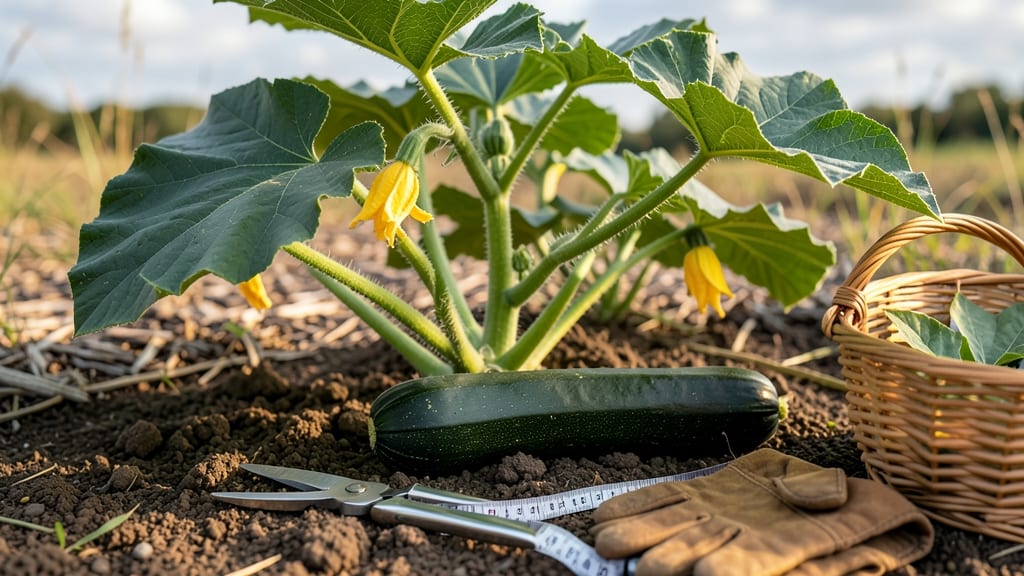
Knowing when to harvest zucchini is the secret to tender, flavorful squash that never turns tough or seedy.
Picture this: you’ve been checking your 🎃 plants every few days, and now they’re thriving—but how do you know if that 7-inch zucchini is just right? Grab it too soon, and it’s underripe; leave it too long, and you’re stuck with a rock-hard, mealy mess.
The difference between the two is all in the details you might be missing.
In this guide, I’ll walk you through the three tactile tests that take the guesswork out of harvesting—from pressing the skin to checking the stem.
You’ll also learn the best time of day to pick, how often to inspect your plants, and what to do if you’ve accidentally missed the window.
Whether you’re a first-time gardener or a seasoned pro, these tips will help you harvest at peak tenderness every time—no more sad, overgrown zucchini monsters taking over your garden.
3 Tactile tests to determine zucchini harvest readiness
Harvesting zucchini at the right moment transforms your garden bounty into a tender, flavorful meal instead of a woody, seedy disappointment. The key lies in three simple tactile tests that reveal a zucchini’s true readiness.
These methods go beyond guessing by size—because a 6-inch zucchini can still be underripe, while an 8-inch one might already be overripe. Let’s explore how to feel your way to perfect harvests.
First, understand why these tests matter: skin firmness indicates cell maturity, seed development signals sweetness levels, and stem separation reveals the plant’s natural detachment point. Together, they create a flavor and texture profile that’s impossible to achieve with size alone. Master these, and you’ll never waste another zucchini again.
Here’s how to apply each test with precision—no guesswork required.
Skin Firmness Test
Press your thumbnail into the zucchini’s skin. If it leaves a slight indent but doesn’t puncture, the fruit is perfectly ripe. Too soft? Wait 1-2 days. Too hard? It’s overripe.
Seed Development Test
Slice open the blossom end. If seeds are tiny and white, harvest immediately for the best texture. Pea-sized seeds mean it’s still edible but less tender. Large, dark seeds signal bitterness.
Stem Separation Test
Gently twist the zucchini at its stem. If it snaps cleanly with minimal resistance, it’s ready. A tough pull means it’s underripe; a mushy stem indicates overripeness.
Why does the skin firmness test matter so much? A zucchini’s skin thickens as it matures, directly impacting tenderness. When your thumbnail leaves just a faint impression, the fruit’s cells are at their peak hydration—ideal for grilling, spiralizing, or stuffing.
This test also predicts storage life: firmer skins hold up better in the fridge.
The seed development test is often overlooked but critical for flavor. Those tiny white seeds? They’re packed with mild sweetness and dissolve easily when cooked. Let them grow even slightly larger, and you’ll taste bitterness creeping in.
Pro tip: Use a sharp knife to check seeds—dull blades crush cells, releasing bitter enzymes prematurely.
Don’t underestimate the stem separation test. This isn’t just about ease of harvest—it’s a plant signal. When a zucchini detaches cleanly, the plant is telling you it’s ready to redirect energy to new fruits.
Resist the urge to harvest if the stem resists; the plant needs that extra time. Conversely, if the stem pulls away with a wet, fibrous resistance, you’ve missed your window.
Here’s a pro move: Combine all three tests for 100% accuracy. For example, a zucchini might pass the firmness test but fail the seed test—meaning it’s physically ripe but flavor-wise not quite there.
Or it might pass stem separation but feel spongy under pressure, signaling internal overripeness. Always cross-reference these cues.
Timing your harvests also depends on your garden goals. For fresh eating, prioritize the seed test—tiny seeds mean maximum tenderness. For long-term storage, focus on skin firmness and stem separation, as these indicate hardier fruit that won’t bruise easily.
And if you’re saving seeds, wait until seeds turn dark and plump—but harvest the fruit itself earlier.
One common mistake? Harvesting at the wrong time of day. Zucchini skins are firmest in the morning after overnight hydration. Afternoon heat can make them slightly softer, leading to false "ripe" readings.
Always test first thing in the morning for consistent results. This small habit prevents overestimating ripeness by up to 24 hours.
Finally, embrace the frequency of checking. In peak season, inspect your plants every 2-3 days. Zucchini grow rapidly—sometimes 1 inch overnight—so daily checks in hot weather are ideal.
Set a reminder or tie a bright ribbon to your largest zucchini as a visual cue. The more often you check, the more you’ll intuitively recognize the perfect moment to harvest.
Master these three tests, and you’ll transform your zucchini harvests from hit-or-miss to consistently perfect. Soon, your garden will yield squash so tender, your dinner guests will ask for the secret—just tell them it’s all in the touch.
Zucchini harvest timing: when to pick for best flavor vs. storage
Harvesting zucchini at the right time ensures peak flavor and texture, whether you're using them fresh or storing them for later. Most gardeners focus on size, but color and stem condition are equally important.
A zucchini that's too small or overripe will lack the tender flesh and delicate seeds you crave in recipes like grilled zucchini or ratatouille.
For fresh eating, aim to harvest when zucchini are 6-8 inches long and still have a bright, deep green color. This window ensures the skin stays tender and the seeds remain small, which is crucial for the best taste.
If you wait too long, the fruit becomes woody and seedy, ruining its culinary potential.
Here’s how to balance harvest timing for flavor and storage, including how size alone can mislead you:
| Harvest Stage | Size | Color | Best For | Storage Life |
|---|---|---|---|---|
| Early Harvest | 4-6 inches | Light green | Fresh eating, salads | 1-2 days (highly perishable) |
| Peak Harvest | 6-8 inches | Deep green | Cooking, grilling, storage | 1-2 weeks (refrigerated) |
| Late Harvest | 8+ inches | Yellowing stem end | Long-term storage | 2-3 weeks (cool, dry place) |
For long-term storage, zucchini should be harvested slightly later, when they reach 8-10 inches and the stem end begins to yellow. This indicates the fruit is mature enough to handle storage without spoiling quickly.
Store them in a cool, dry place like a root cellar or basement, where they’ll keep for 2-3 weeks.
Pro tip: Check your zucchini plants every 2-3 days during peak harvest season (July-September). Overripe zucchini can stress the plant, reducing future yields. If you’re overwhelmed by a sudden zucchini glut, try freezing or pickling excess harvests to preserve their flavor for later.
Remember, size isn’t everything. A zucchini that’s 6 inches but deep green is often better for eating than one that’s 10 inches but pale. Always prioritize color and stem condition over length alone for the best results in both flavor and storage.