
Picking
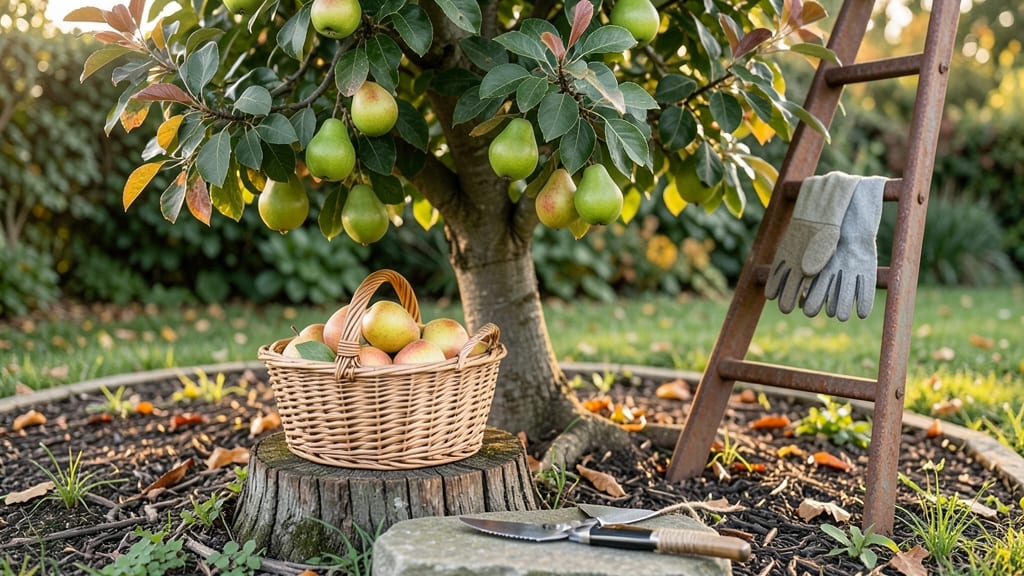
The pear harvest season arrives when fruit turns from green to its mature hue 🍐—but timing it wrong means mealy pears or wasted effort.
Picture this: you’ve spent years nurturing your tree, and now the moment of truth is here. One wrong pick, and you’re left with fruit that’s either too firm or already overripe.
The difference between a juicy, sweet bite and a bland disappointment often comes down to knowing the exact window—and how your region’s climate shifts those dates.
Not all pears ripen at once, and varieties like Bartletts and Boscs have very different schedules. In USDA Zone 6a, for example, early varieties might be ready by late August, while late-season keepers can wait until October.
Throw in regional temperature swings, and you’ve got a recipe for confusion.
Don’t guess—learn the science behind ripeness tests, regional harvest maps, and storage tricks to lock in peak flavor. By the end, you’ll know exactly when to pluck each variety for the best taste, whether you’re in the Pacific Northwest or the Deep South.


Exact pear harvest months by u.s. growing region
Getting your pear harvest timing right means the difference between sweet, juicy fruit and bland, mealy pears. Since pears ripen at different times depending on your USDA zone and variety, I’ve broken down the exact harvest windows for Northern, Southern, and Coastal regions so you can plan accordingly.
In Northern regions (Zones 3-6), frost-sensitive varieties like Bartlett pears need to be picked by late September to avoid damage. Meanwhile, Southern regions (Zones 7-10) can enjoy harvests stretching from August through November, with some late varieties like Anjou ripening well into winter.
Coastal areas often have extended growing seasons, allowing for earlier harvests in late summer. However, humidity can accelerate ripening, so keep an eye on your fruit’s color and texture—don’t wait too long or risk overripe pears.
🌱
If you’re growing Bartlett pears in Zone 5, aim for early September harvests—these varieties ripen fastest and are highly sensitive to frost. In contrast, Anjou pears in Zone 9 can often wait until October or even November, as they hold up better in warmer climates.
For coastal growers, humidity can trick you into thinking pears are ripe before they are. Always perform the gentle squeeze test: ripe pears should yield slightly but not feel mushy. Overripe pears will bruise easily and develop a fermented smell.
🌿
In USDA Zone 4, where winters are harsh, focus on early-ripening varieties like Moonglow or Seckel. These pears mature quickly and can be harvested by late August before the first frost.
Meanwhile, Zone 10 growers can enjoy a near-year-round harvest, with some varieties like Asian pears producing fruit in both spring and fall.
Pro tip: If you’re unsure whether your pears are ready, pick a few early and let them ripen indoors at room temperature. This way, you won’t miss the harvest window entirely. Store unripe pears in a cool, dark place to slow ripening until they’re ready.
🪴
Remember, harvest timing isn’t just about the calendar—it’s also about weather patterns. A sudden cold snap can force pears to ripen faster, so always monitor your local frost dates and adjust your harvest schedule accordingly.
With this regional guide, you’ll never again have to guess when to pick your pears for peak flavor!
Best pear varieties and their ideal harvest times
Picking pears at the right moment transforms mealy, bland fruit into sweet, juicy treasures. Each variety ripens on its own schedule—some need cool storage to sweeten after harvest, while others are ready to eat straight from the tree.
I’ve grown Bartletts, Anjous, and Bosc pears for years, and timing makes all the difference. Below, I’ll break down when to harvest 12+ popular varieties, their storage life, and how to handle them post-pick for maximum flavor.
European pears like Bartlett and Anjou are classic favorites, but Asian pears and heirloom varieties add exciting twists. The key? Harvesting when the fruit is firm but ripe—not hard or overly soft.
For example, Bartlett pears must ripen off the tree, while Asian pears are crisp and ready to eat immediately. Let’s dive into the specifics so you can plan your harvest like a pro.
🌱
| Variety | Harvest Month (US) | Ripens Off Tree? | Storage Life | Best For |
|---|---|---|---|---|
| Bartlett (Williams) | Late August–September | Yes (needs 1–2 weeks) | 3–4 weeks (cool, dark) | Canning, baking, fresh eating |
| Anjou | September–October | Yes (2–3 weeks) | 4–6 weeks (fridge) | Fresh eating, salads |
| Bosc | October–November | Yes (3–4 weeks) | 6–8 weeks (cool cellar) | Poaching, roasting, long storage |
| Asian Pear (e.g., Hosui) | September–October | No (eat immediately) | 2–3 weeks (fridge) | Fresh snacking, sushi |
| Seckel | Late August–September | Yes (1 week) | 2–3 weeks (cool) | Fresh eating, jams |
| Comice | October–November | Yes (2–3 weeks) | 4–6 weeks (cellar) | Poaching, fresh desserts |
| Moonglow | September–October | Yes (2 weeks) | 3–4 weeks (fridge) | Fresh eating, salads |