
How To
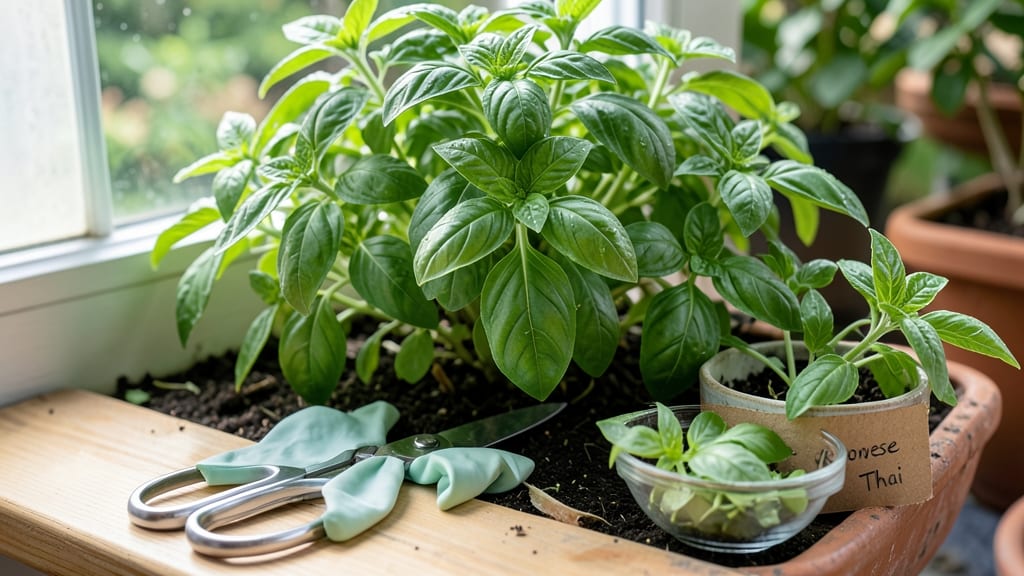
Harvesting basil the proper way ensures your 🌿 plant stays flavorful and thrives all season long.
Nothing beats the aroma of freshly harvested basil straight from your garden—but timing and technique make all the difference between vibrant flavor and wilted disappointment.
If you’ve ever plucked leaves too early or too late, you know how quickly basil can go from fragrant and tender to bitter and tough. The key is knowing when those leaves are perfect for picking—when they’re soft, aromatic, and ready to elevate your cooking.
In this guide, I’ll walk you through the exact steps to harvest basil the right way, from recognizing the ideal moment to pruning for bushier growth. You’ll learn how to avoid common mistakes that ruin flavor and keep your basil productive all summer.
When and how to tell basil is ready for harvesting (key visual cues)
Harvesting basil at the right time transforms your garden into a flavor factory. The key lies in leaf texture, aromatic intensity, and stem strength—all signals that your plant is ready to give you its best.
I’ve learned that waiting until these visual cues align ensures maximum flavor and keeps your basil thriving for weeks. Let’s break down what to look for before you even pick up your pruners.
First, check the leaf size. Ready-to-harvest basil leaves should be 3-4 inches long and fully unfurled. Smaller leaves mean the plant needs more time to mature, while oversized leaves often signal the plant is past its prime.
I always pinch off any flower buds at this stage—they drain energy from the leaves and make the flavor bitter. Timing here is everything for that perfect peppery-sweet aroma we all love.
| Visual Cue | What It Means | Action |
|---|---|---|
| Leaf Size | 3-4 inches long, dark green | Harvest outer leaves first |
| Leaf Texture | Soft but firm, not mushy | Pinch or cut stems |
| Aroma | Strong, sweet scent when crushed | Harvest immediately for peak flavor |
| Stem Strength | Slightly woody but flexible | Cut just above leaf node |
| Growth Stage | Plant 6-12 inches tall | Encourage bushier growth |
The aroma test is my favorite trick for confirming readiness. Crush a leaf between your fingers—if it releases that classic anise-like fragrance, your basil is primed for harvest. Weak or no scent means the plant needs more time to develop its oils.
I’ve also noticed that morning harvests yield the most potent flavor, as the essential oils concentrate overnight. This simple test saves me from picking underripe leaves that lack the depth of flavor.
Don’t overlook the stem condition—it’s a telltale sign of maturity. At the perfect harvest time, stems should feel slightly woody to the touch but still bend without snapping. If they’re too soft, the plant isn’t ready; if they’re hard and brittle, you’ve waited too long.
I learned this the hard way when my first basil batch became woody and bitter. Now, I check stems regularly to catch that just-right stage.
Another visual cue is the growth pattern. Healthy basil grows in a bushy, compact shape with multiple stems. If you see long, leggy stems with sparse leaves, it’s a sign of over-maturation or insufficient light.
In this case, harvest the outer leaves to encourage new growth from the center. This technique keeps your plant productive and prevents it from becoming a single, unruly stalk.
Timing also depends on your climate and variety. In warmer regions, basil matures faster—often in just 4-6 weeks—while cooler areas may take 6-8 weeks. Genovese basil, for example, develops a stronger aroma than sweet basil, so I harvest it slightly later.
Always check the plant’s specific needs and adjust your timing accordingly. The goal is to harvest before the plant flowers, as flowering signals the end of its prime flavor window.
One common mistake I see is harvesting more than one-third of the plant at once. This shocks the basil and can stunt its growth. Instead, I recommend harvesting only the outer leaves or cutting stems just above a leaf node.
This encourages the plant to branch out and produce more leaves. Think of it like giving your basil a haircut—you want to promote fullness, not bald spots!
After harvesting, always use clean, sharp pruners to make clean cuts. Dull blades crush stems, making them more susceptible to disease. I keep a small pair of pruners dedicated solely to my herbs to prevent cross-contamination.
Store harvested basil in a loosely wrapped paper towel in the fridge—this keeps it fresh for up to a week while preserving that garden-fresh aroma.
Finally, watch for new growth after harvesting. If your basil responds with fresh, vibrant leaves within a week, you’ve done it right. If not, it might need more sunlight, water, or nutrients.
I’ve found that a light fertilizer application after heavy harvesting helps my plants bounce back quickly. With these cues in mind, you’ll never again wonder if your basil is ready—you’ll just know.
Step-by-step harvesting techniques for basil (pruning vs. pinching methods)
Harvesting basil correctly isn’t just about plucking leaves—it’s about encouraging bushier growth while preserving that rich, sweet flavor. Two common methods dominate: pinching (removing the top growth) and pruning (cutting stems at specific points).
Both work, but the approach affects your plant’s health and productivity. I’ve tested both in my garden and found that pruning yields slightly more robust regrowth, while pinching is gentler for beginners.
The key difference lies in where and how you cut. Pinching focuses on removing the top sets of leaves to promote branching, while pruning involves cutting stems at a 45-degree angle just above a leaf node.
Both methods prevent your basil from flowering too soon, which saps flavor. For maximum yield, I recommend combining both techniques—pinch early in the season and prune as the plant matures.
The Proper Way to Harvest Basil
- 1. Choose the right stems: Select stems with at least 4-6 mature leaves. Avoid cutting the main central stem unless necessary—this can stunt growth.
- 2. Use clean, sharp scissors: Dull tools crush stems, inviting disease. Cut just above a leaf node (the point where leaves grow) at a 45-degree angle for faster healing.
- 3. Pinch for bushiness: Remove the top set of leaves (the youngest growth) to encourage lateral branching. Do this when stems reach 6-8 inches tall.
- 4. Prune for harvests: Cut stems 2-3 inches above the soil to stimulate new growth. This works best when the plant is halfwoody but still tender.
- 5. Avoid the flower buds: If you spot tiny flower buds, snip them immediately. Flowering signals the end of the plant’s productive life and turns leaves bitter.
- 6. Harvest in the morning: Leaves are most flavorful and hydrated after a night’s rest. Avoid harvesting after rain or late in the day to prevent wilting.
When pruning, always leave at least 2-3 sets of leaves on each stem to ensure the plant can photosynthesize and recover. I’ve seen gardeners make the mistake of stripping all leaves from a stem, which leaves the plant vulnerable to stress and disease.
Think of pruning as giving your basil a haircut—you wouldn’t shave someone’s head bald, would you?
For container-grown basil, pruning is especially critical because space is limited. By cutting back stems regularly, you force the plant to grow outward instead of upward, maximizing your harvest in a small pot.
I’ve had my dwarf basil plants produce enough leaves for pesto twice in a single season just by pruning every 3-4 weeks.
Pro tip: If your basil starts to look leggy or sparse, it’s a sign you’ve been too hesitant with pruning. Don’t wait until the plant is struggling—act early to maintain that compact, bushy shape. And always disinfect your pruners with rubbing alcohol between cuts to prevent spreading bacteria.
Remember, the goal isn’t just to harvest leaves—it’s to encourage your basil to thrive. With the right techniques, your plant will reward you with months of flavorful harvests instead of just a few weeks. Happy harvesting! ✂️🌿