
How To
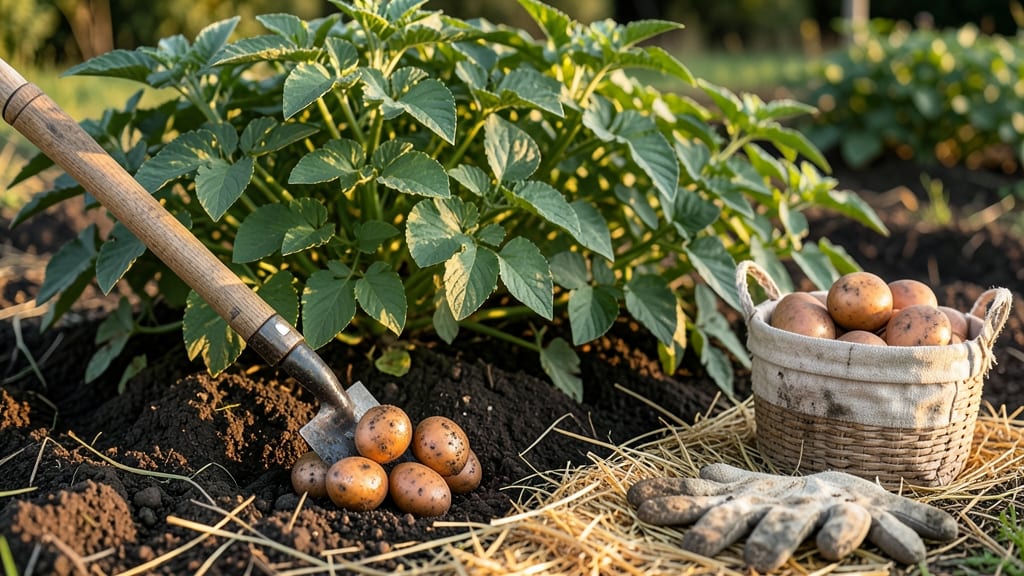
Harvesting russet potatoes at the right time ensures you get the best flavor and storage life—when the skin toughens but the eyes stay firm, you’ve hit that perfect window.
Picture this: you’ve spent weeks nurturing your 🥔 plants in General (Zone 6 default), and now the foliage is yellowing. But how do you know if it’s really time? Harvest too early, and you’ll end up with soft, mealy potatoes.
Wait too long, and they’ll shrivel or sprout. The difference between a great harvest and a wasted effort often comes down to timing.
Most russet varieties need 90 to 120 days from planting to reach peak harvest time, but soil temperature and weather play a role. In Zone 6a, that usually lands in late summer—around August to early September—but early or late varieties can shift that window.
The key is watching for those telltale signs: a brown, dried stem end, thickened skin, and tubers that resist puncturing.
In this guide, I’ll walk you through exactly how to spot the perfect harvest moment, adjust for your planting date, and even troubleshoot common mistakes. By the end, you’ll know when to pull those spuds for the best results—and how to store them so they last all winter.

How to identify the perfect russet potato harvest time by appearance
Timing your russet potato harvest correctly ensures you get firm, flavorful tubers instead of shriveled or sprouted rejects. The key lies in visual cues that tell you when the skin toughens but the eyes stay firm.
I’ve learned the hard way—harvesting too early gives you soft, mealy potatoes, while waiting too long risks shriveling or disease. Let’s break down the exact signs to watch for.
First, focus on the stem end of the potato plant. When the stem turns brown and shrivels, it’s your first clue that harvest time is near. This happens naturally as the plant redirects energy from foliage to tubers.
Meanwhile, the leaves will yellow and die back, a classic sign the plant is maturing. But don’t rush—wait until the stem snaps easily when bent before digging.
Now, let’s talk tuber size and skin. Russet potatoes should be at least 2-3 inches in diameter for ideal cooking quality. The skin should feel thick and rough, not thin or papery. If you press a tuber and it resists puncture, it’s ready.
But if the skin gives way easily, it’s still too early. Pro tip: Dig up a test tuber to check—this avoids harvesting the whole patch too soon.
Here’s where many gardeners go wrong: they rely solely on days since planting. While russets typically take 90-120 days, factors like soil temperature and variety can shift this window.
For example, early varieties like Yukon Gold may be ready in 70-80 days, while true russets need the full 100-120 days. Always prioritize visual cues over calendar dates.
The eye firmness is another critical clue. Press a tuber gently—if the eyes (buds) feel soft, the potato isn’t ready. But when they’re deep and firm, you’ve hit the sweet spot.
Overripe potatoes often show sprouts or hollow centers, which ruin their texture. To avoid this, harvest when the eyes are just starting to form but haven’t sprouted yet.
One mistake I see often is harvesting based on foliage color alone. While yellowing leaves signal maturity, don’t dig until the stem snaps cleanly. If you harvest too early, your potatoes will lack flavor and store poorly.
Conversely, waiting until the foliage is completely dead can lead to shriveled tubers. Aim for that golden middle where leaves are mostly brown but stems still snap.
For container-grown russets, timing is even trickier because roots fill the pot faster. Check for readiness by gently pressing the soil surface—if tubers are bumping against the sides, they’re ready. In containers, harvest 2-3 weeks earlier than in-ground potatoes, as they mature faster due to limited root space.
Always cure harvested russets in a dark, dry place for 1-2 weeks to thicken their skins and improve storage life.
If you’re unsure, do a spot harvest by digging up one or two tubers to test. This lets you adjust your timing without risking the whole crop.
Best time of year to harvest russet potatoes based on planting date
Timing your russet potato harvest correctly depends entirely on when you planted them. Spring-planted potatoes typically mature in late summer to early fall, while fall-planted varieties may be ready by mid-to-late summer if your growing season is short.
Understanding these windows helps you avoid harvesting too early (soft, mealy potatoes) or too late (shriveled, sprouting tubers).
Your USDA hardiness zone also plays a critical role. In cooler zones like USDA 3-5, potatoes planted in spring may not mature until September or October, while warmer zones like USDA 8-10 can harvest as early as July for early varieties.
Always adjust for your local frost dates to maximize yield.
| Planting Season | Days to Maturity | Harvest Window (USDA 6) | Harvest Window (USDA 3-5) | Harvest Window (USDA 8-10) |
|---|---|---|---|---|
| Early Spring (March-April) | 90-120 days | Late August - Early October | Mid-September - October | July - Early August |
| Fall (July-August) | 60-90 days | Mid-September - October | Late September - October | Late July - August |
| Early Varieties (e.g., Yukon Gold) | 60-75 days | Early July - August | Late July - August | June - July |
| Late Varieties (e.g., Russet Burbank) | 100-120 days | Late September - October | October - Early November | August - September |
For spring-planted russets, start checking for harvest readiness around 90 days after planting, especially if your growing season is short. In USDA 3-5 zones, aim to harvest before the first frost hits, as cold temperatures can damage tubers.
Use a garden fork to gently lift a few potatoes for testing—if they’re 2+ inches in diameter with tough skin, they’re ready.
If you planted fall potatoes in warmer climates, harvest early varieties by late July to avoid heat stress. In USDA 8-10 zones, russets planted in July can mature in as few as 60-75 days, making them ideal for short-season gardens.
Always prioritize harvesting before the soil temperature drops below 50°F to prevent tuber rot.
Adjust your harvest timing based on variety maturity. Early varieties like Red LaSoda mature in 60-75 days, while late varieties like Russet Burbank need 100-120 days. Check seed packets for specific days-to-maturity and align your harvest with these guidelines.
For example, if you planted Burbank russets in April, expect harvests in late September in USDA 6.
Once you’ve harvested, let potatoes cure in the sun for 2-3 hours to toughen their skin before storing. This step is crucial for long-term storage, especially in cooler climates where potatoes need to last through winter.
Store them in a cool, dark place with good airflow to prevent sprouting and spoilage.