
Vegetables
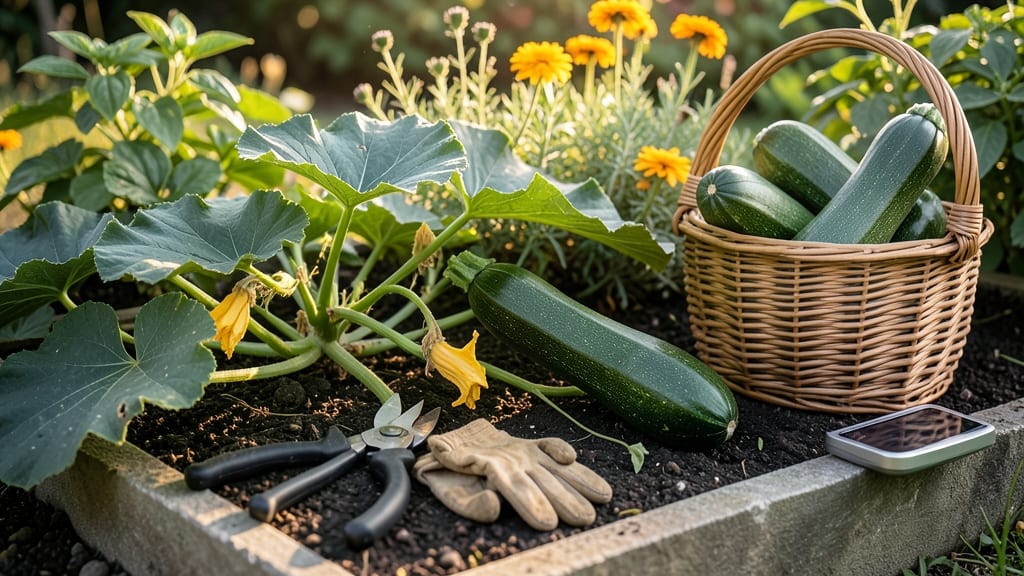
Harvesting squash at the right time turns your garden’s 🎃 bounty into meals that taste like they came from a farmers' market.
But here’s the catch: timing isn’t just about size—it’s the difference between tender, sweet flesh and tough, seedy disappointment. Miss the window, and you’ll end up with squash that’s either too immature or past its prime, ruining dishes you’ve spent months growing.
Summer squash like zucchini and yellow squash need to be picked when they’re 6-8 inches long and still firm, while winter varieties like butternut or acorn should wait until their skin hardens and the stem turns brown.
I’ll walk you through exactly what to look for, so you never guess again.
From color changes to stem tests and even taste checks, you’ll learn the 5 foolproof signs that your squash is ready—plus what happens if you harvest too early or too late. Let’s make sure your harvest is the star of the table.
Optimal squash harvest time by variety: summer vs winter types
Timing your squash harvest correctly can mean the difference between a meal-worthy zucchini and a seedy, tough-skinned disappointment. Summer squash like zucchini and yellow squash thrive when picked young, while winter varieties like butternut and acorn need time to mature.
I’ve grown both for years, and I can tell you—missing these windows means sacrificing flavor and texture.
For summer squash, harvest begins as early as 45-55 days after planting, while winter squash takes 80-120 days to reach peak ripeness. The key difference? Summer squash should be harvested before they overgrow, while winter squash must cure after harvest to develop their signature sweetness.
Let’s break down the exact cues for each type.
| Variety | Harvest Time (Days) | Size Benchmark | Color Change | Flavor Peak |
|---|---|---|---|---|
| Zucchini | 45-55 | 6-8 inches | Deep green/yellow | Tender, mild |
| Yellow Squash | 50-60 | 6-10 inches | Bright yellow | Sweet, nutty |
| Butternut Squash | 80-100 | 1-3 lbs | Orange, hard rind | Rich, caramel-like |
| Acorn Squash | 90-110 | 6-10 inches | Deep green/yellow | Sweet, dense |
| Pumpkin | 100-120 | 8-12 inches | Deep orange, hard skin | Firm, starchy |
Summer squash like zucchini and yellow squash should be harvested when they’re 6-8 inches long and their skin is shiny and firm. If you wait too long, they’ll become woody and seedy, which is why I pick mine every 2-3 days during peak production.
The color shift from pale to deep green or yellow is your best visual cue.
For winter squash, timing is everything. Butternut squash, for example, needs to reach 1-3 pounds and develop a <
How to test squash ripeness: 5 pro tips beyond the ruler
Relying on a ruler to judge squash ripeness is like guessing the weather—you might get lucky, but you’ll miss the perfect moment more often than not. The truth is, harvest timing depends on subtle cues that go far beyond measurements.
I’ve learned the hard way that waiting for the "ideal size" can mean sacrificing flavor or ending up with tough, seedy squash. Let’s dive into the real indicators that tell you when to pick for peak sweetness and texture.
One of my biggest mistakes was harvesting zucchini based solely on length, only to discover they were still rock-hard and bland. The key is to combine visual, tactile, and even olfactory tests to confirm ripeness.
For example, a yellow squash might look perfect at 6 inches, but if the skin still yields slightly when pressed, it’s not ready. Winter squash, like butternut, require even more patience—waiting for the stem to dry and turn brown is just the beginning.
Another pro tip I picked up from a local farmer is to harvest in the morning when flavors are most concentrated. The cooler temps also mean the squash is firmer, making it easier to judge ripeness.
If you’re growing winter squash, like acorn or pumpkin, wait until the skin is too hard to puncture with your fingernail—this is your cue that the sugars have fully developed.
I once left a butternut squash on the vine too long, thinking it would get sweeter. Instead, it turned into a tough, fibrous mess. The lesson? Winter squash should be harvested before the first frost, but not before the stem dries completely.
For summer squash, like zucchini, act fast—harvest every 2–3 days to encourage more production and avoid bitter, seedy fruits.
Don’t overlook the blossom end of the squash. If it’s still green and soft, the squash isn’t ready. A mature blossom end will feel firm and may even start to yellow or brown.
This is your final check before declaring it harvest-ready. And remember, overripe squash loses flavor and texture quickly, so when in doubt, pick it!
Mastering these 5 ripeness tests will turn your squash harvest from hit-or-miss to consistently delicious. Next time you’re in the garden, grab a squash and put these tips to the test—your taste buds will thank you. 🎃