
Vegetables
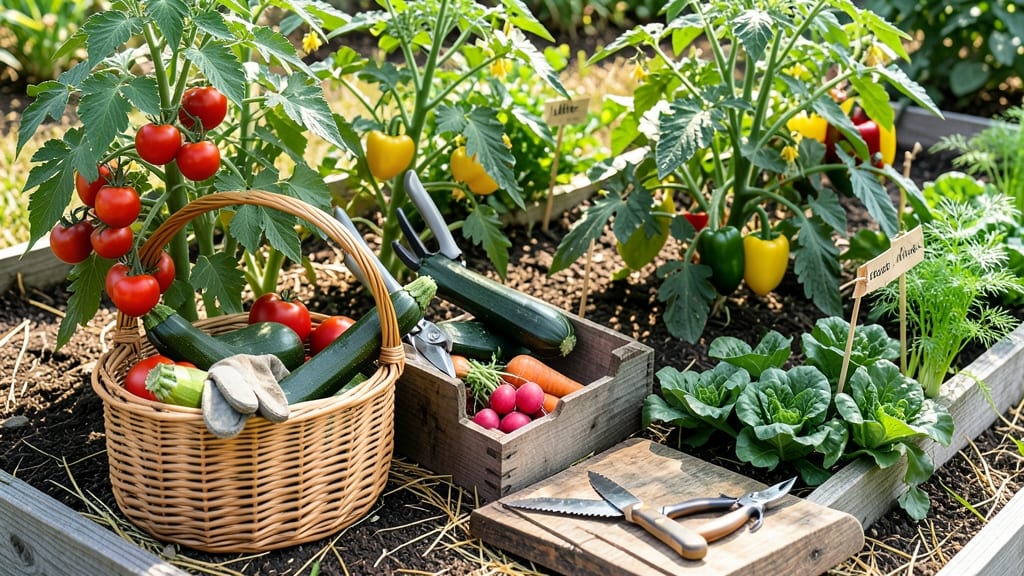
Timing your vegetable harvests right is the key to unlocking the sweetest, crispest, and most flavorful produce 🥬—and missing the window means tough, bitter, or wasted effort.
Picture this: you’ve nurtured your garden all season, only to pull a carrot that’s woody or a tomato that’s mealy. That’s the cost of harvesting too late—or too early.
The good news? With the right cues, you can tell exactly when each vegetable is ready to pick, from leafy greens to root crops.
In this guide, I’ll break down the ideal harvest times for 30+ common vegetables, including when to watch for color changes, size benchmarks, and texture tests. You’ll also learn how to adjust for your climate zone and extend your harvest season with simple tricks.
Whether you’re a beginner or a seasoned gardener, mastering these harvest times will save you from common mistakes—and keep your kitchen stocked with garden-fresh goodness all season long.
Vegetable harvest times by season: a month-by-month guide
Timing your harvest is the secret to unlocking the full potential of your garden. Whether you're growing tomatoes that burst with sweetness or carrots with crisp texture, knowing when to pick makes all the difference.
The key lies in understanding your USDA hardiness zone—where I live in Zone 6, we can stretch our harvest from early spring to late fall with the right planning.
This guide covers 30+ common vegetables, their early, peak, and late harvest windows, and how to adjust for your local climate.
For most gardeners, the harvest season starts as soon as the soil warms in spring and continues through summer until the first frost in fall. Leafy greens like spinach and lettuce often give you an early harvest, while squash and peppers reward patience with late-season bounty.
Even in Zone 6, with an average 165 frost-free days, you can extend your harvest by choosing fast-maturing varieties or using season-extending tools like row covers.
Here’s a quick look at how your harvest calendar might shape up, broken down by season and vegetable type. Use this as your roadmap to avoid bitter greens, tough roots, or underripe fruits—all signs you harvested too early.