
Vegetables
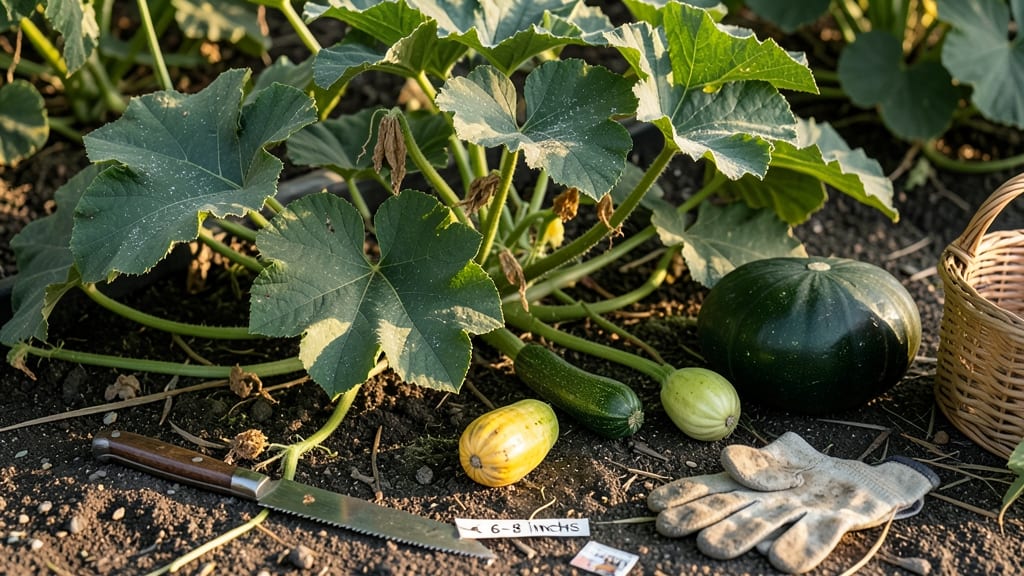
Harvesting squash at the right time means the difference between a tender, flavorful 🎃 and a tough, seedy mess—yet most gardeners miss the window by days.
Picture this: You’ve been checking your squash plants every morning, hoping for that perfect moment when the fruit is ready to pick. But if you harvest too early, you end up with bland, watery squash. Wait too long, and you’re left with a rock-hard, overripe disappointment.
In this guide, I’ll walk you through the three tactile tests to nail the ideal harvest time—whether you’re growing zucchini, butternut, or acorn. You’ll learn how to read the skin, check the stem, and even give it a little thump to tell if it’s ready.
Plus, I’ll cover variety-specific tips, like why zucchini should be picked when it’s still small and firm, while butternut squash needs time to harden up. By the end, you’ll never second-guess your harvest timing again.
3 Tactile tests to determine perfect squash harvest timing
Harvesting squash at the right moment transforms your garden bounty from mealy and seedy to sweet, tender perfection. The key? Trusting your touch and observation over guesswork.
Summer squash like zucchini and pattypan need harvesting young and frequent, while winter varieties such as butternut and acorn reward patience with harder skins and longer storage life. Even experienced gardeners sometimes miss the window—let's fix that with these three foolproof tests.
These tactile methods work for both summer and winter squash, though their ideal harvest windows differ. Summer squash should be 6-8 inches long with smooth, glossy skin, while winter squash needs full color development and a hard rind.
The sooner you master these tests, the sooner you'll enjoy homegrown squash at its peak—no grocery store comparison needed.
For summer squash, focus on the thump test and stem separation—these varieties ripen quickly and can become woody or seedy within days. I harvest mine every 2-3 days during peak season to keep production flowing.
The skin color also shifts from pale green to vibrant yellow or deep green, depending on the variety.
Winter squash, however, demands patience and the skin hardness test. Their thick rinds develop over weeks, and harvesting too soon results in soft, watery flesh. Butternut squash, for example, should have tan skin and a hard shell—like the exterior of a hard-boiled egg.
Pro tip: Check for no green stem ends, which signal ongoing growth.
Timing matters even more with frost-sensitive varieties. If a hard frost is forecast before your winter squash reaches maturity, harvest even if slightly underripe—they'll ripen indoors with sunlight and warmth.
Store them in a cool, dry place (50-55°F) to finish maturing. For summer squash, frost spells the end—harvest everything before temperatures dip.
One common mistake? Relying only on size. A 12-inch zucchini isn't automatically perfect—it might still be mealy inside. Combine size with the three tactile tests for accuracy. I once harvested a giant zucchini that was all seeds and stringy flesh because I ignored the stem test. Lesson learned!
Visual cues also help: Summer squash develops shiny, smooth skin, while winter squash shows dull, textured surfaces. For acorn squash, look for deep green with orange highlights. Butternut squash turns tan and papery-thin at maturity.
Pair these visuals with the tactile tests for 100% confidence in your harvest.
Harvesting at the right time isn't just about flavor—it's about encouraging more production. When you pick squash promptly, the plant redirects energy to new flowers and fruits. Neglect it, and you'll end up with a few oversized, bitter squash and no second harvest.
I've seen zucchini plants produce 50 pounds in a season when harvested regularly!
Pro move: Keep a small harvest journal to track when your squash reaches peak ripeness. Note the day of year, variety, and test results. Over time, you'll predict harvest windows like a pro.
And remember—even a slightly underripe squash tastes better than one left too long on the vine. Happy harvesting!
How squash varieties differ in harvest signals and storage life
Summer squash like zucchini and pattypan thrive on quick harvests—often within 45-55 days—while winter squash such as butternut and acorn need 80-120 days to mature. These differences aren't just about timing; they dictate how you spot readiness and store your harvest.
Summer squash shines when harvested young and tender, while winter squash develops a hard rind that extends shelf life. Understanding these distinctions ensures you enjoy squash at its peak, whether you're slicing zucchini for dinner or roasting butternut for storage.
For summer squash, harvest signals focus on size and texture. Zucchini should reach 6-8 inches long with skin that yields slightly to gentle pressure—no deeper than 1/8 inch when pressed with your thumbnail.
Pattypan squash matures when its edges flatten and the skin turns a rich, even yellow or green without blemishes. Miss the window, and you'll end up with seedy, fibrous squash that's less flavorful. Winter squash, however, signals maturity through color depth and stem changes.
Butternut squash develops a hard, tan rind, while acorn squash turns a deep golden-brown hue with a woody stem that snaps cleanly when twisted.
| Variety | Harvest Time | Key Signals | Storage Life |
|---|---|---|---|
| Zucchini | 45-55 days | 6-8" long, skin yields to thumbnail | 3-5 days (refrigerated) |
| Pattypan | 50-60 days | Flat edges, even color | 5-7 days (refrigerated) |
| Butternut | 80-100 days | Hard tan rind, stem snaps | 2-3 months (cool, dry place) |
| Acorn | 90-120 days | Deep gold, woody stem | 3-4 months (cool, dry place) |
Storage life hinges on maturity at harvest. Summer squash spoils quickly because its thin skin and high moisture content make it prone to rotting within days.
To extend its life, wrap zucchini or pattypan in a damp paper towel and store in the fridge—this mimics the humidity they crave. For winter squash, the key is curing.
After harvest, let butternut or acorn squash sit in a warm (80-85°F), humid (80%) environment for 7-10 days to harden the rind. This process unlocks months of storage in a cool (50-55°F), dry space like a basement or pantry.
Without curing, winter squash stores for only 1-2 months, losing flavor and texture.
Color changes are your best visual cue for winter squash. A butternut squash ready for harvest will shift from pale green to a deep tan or beige, while acorn squash turns from green to golden-brown. Summer squash, however, relies more on texture than color.
Overripe summer squash develops wrinkled skin and large seeds, while winter squash may soften or develop moldy spots if left too long. To avoid waste, harvest summer squash every 2-3 days during peak production, and leave winter squash on the vine until fully mature for maximum storage potential.
One common mistake is assuming all squash can be stored the same way. Never refrigerate winter squash until after curing—cold temperatures before curing cause soft spots and shorten shelf life.
Meanwhile, summer squash should never be stored at room temperature for more than a day or two, as it spoils rapidly. For both types, inspect regularly for signs of spoilage like slimy texture or off smells.
When in doubt, slice it open: fresh squash should have firm, bright flesh without dark or mushy areas.
Pro tip: Use a sharp knife to harvest squash—twisting can damage the plant and reduce future yields. For summer squash, cut the stem 1 inch above the fruit to avoid bruising.
Winter squash can be harvested by cutting the stem with a pruning shears or knife, leaving a 1-inch stem attachment to prevent rotting during storage. Label your winter squash with the harvest date to track storage life, and rotate stock to use the oldest first.
With these variety-specific tips, you'll enjoy squash at its peak flavor all season long.