
Picking
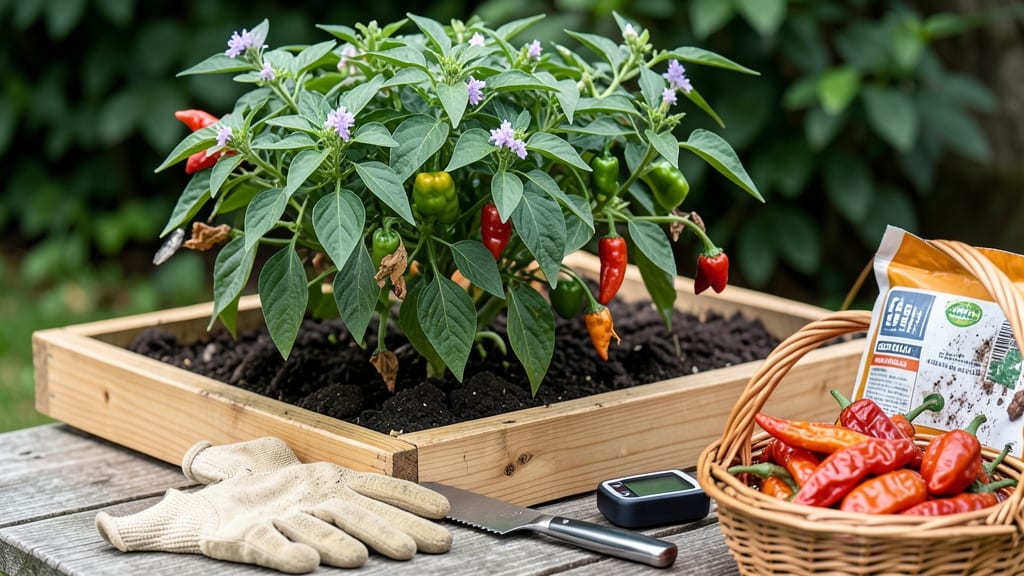
Harvesting ghost peppers at 90 to 120 days after transplanting ensures maximum heat and flavor, but timing them perfectly is the trickiest part for most gardeners.
Ghost peppers aren’t just for thrill-seekers—they’re a gardener’s reward for patience, and harvesting them too early (or too late) can mean the difference between a fiery success and a wasted plant.
If you’ve ever picked one too soon and ended up with a bland, watery pepper, you know what I mean.
You’ll want to watch for deep red color, firm skin, and a slight give when you twist the stem—these are the three tactile tests that guarantee peak potency. Miss these cues, and you might end up with peppers that lack the heat you’re craving.
In this guide, I’ll walk you through the exact signs to look for, how climate affects your harvest window, and the common mistakes that turn great peppers into disappointments. Let’s get started!
3 Tactile tests to determine when ghost peppers are ready for harvest
Harvesting ghost peppers at the right moment ensures maximum heat potential and flavor. Unlike milder peppers, these fiery beauties need precise timing—too early, and you’ll miss their signature capsaicin kick. Too late, and they may overripen, losing potency. The secret lies in physical cues that reveal their readiness.
Ghost peppers mature through distinct stages, from green to red, each with unique textures and colors. While color changes are obvious, tactile tests—like firmness and weight—reveal hidden clues about ripeness.
These hands-on checks help you avoid common mistakes, like harvesting underripe peppers that lack heat or overripe ones that turn mushy.
Color Shift to Deep Red
Mature ghost peppers transition from green to deep red. Press the pepper gently—ripe ones will have a glossy, leathery skin. Avoid harvesting if the color is still yellow or orange, as capsaicin peaks at full red.
Firmness Test: Thick, Resilient Skin
Squeeze the pepper lightly—ripe ghost peppers should feel dense and firm, like a small, thick-walled balloon. If it dents easily, it’s underripe. Overripe peppers will feel soft or wrinkled, signaling lost heat.
Stem Snap Test: Clean Break
Grasp the pepper’s stem and twist gently. A ripe ghost pepper will snap cleanly at the stem base, leaving a small nub. If it pulls away with resistance, it’s not ready. This test confirms the pepper’s internal maturity and heat development.
Don’t overlook the size indicator—ripe ghost peppers typically reach 2-3 inches long. Smaller peppers may still be developing their capsaicin levels, while larger ones risk becoming overripe. Combine these tests for accuracy: a deep red, firm, and heavy-for-its-size pepper is your cue to harvest.
Harvesting in the morning is ideal because peppers are cool and crisp, making tactile tests easier. Use clean pruning shears or scissors to avoid damaging the plant. Cut the stem 1/4 inch above the pepper to prevent rot and encourage more fruit production.
If your ghost peppers turn red but feel soft, they’ve overripened. While still edible, their heat intensity drops. To salvage them, dry or freeze immediately. For future harvests, monitor watering schedules—overwatering speeds up overripening, while consistent moisture keeps peppers firm.
Green ghost peppers can be harvested early for milder heat, but they’ll never reach peak potency. If you’re unsure, wait for the color shift—it’s the most reliable sign. Remember, patience pays off: a fully ripe ghost pepper delivers 4-5 times more capsaicin than its green counterpart.
Pro tip: Label your plants if growing multiple varieties. Ghost peppers can cross-pollinate with other chili peppers, altering flavor and heat. Keep them isolated or use breeding barriers for pure strains.
Once harvested, cure your peppers for 7-10 days in a warm, dry place (70-80°F). This process concentrates flavors and heat, making them ideal for drying, powdering, or preserving. Store cured peppers in a cool, dark place to retain their fiery kick for months.
Ghost pepper harvest timeline: month-by-month growth stages
Growing ghost peppers from transplant to harvest takes 90-120 days, but timing varies by climate zone and growing conditions. In tropical regions, plants mature faster due to longer daylight, while temperate zones may need protective measures to extend the season.
Knowing your month-by-month milestones helps you anticipate harvests and adjust care routines.
Start with seedlings indoors 8-10 weeks before your last frost date. In USDA Zone 6a (like mine), this means sowing in March for a September-October harvest.
Tropical gardeners can plant directly in early spring and enjoy earlier harvests, while cooler climates may need to start seeds indoors earlier or use greenhouse extensions.
| Month | Growth Stage | Key Actions | Climate Adjustments |
|---|---|---|---|
| April-May | Transplant seedlings (6-8 weeks old) | Hardening off, plant in full sun, 18" apart | Tropical: Direct sow; Temperate: Use row covers |
| June | Vegetative growth (2-3 ft tall) | Fertilize with 10-10-10, prune lower leaves | Tropical: Monitor for pests; Temperate: Watch for late frosts |
| July-August | Flowering & fruit set | Hand-pollinate if needed, reduce water slightly | Tropical: Daily watering needed; Temperate: Mulch heavily |
| September | Peppers turn red (90+ days) | Test ripeness with tactile checks, harvest early fruit | Tropical: Harvest continuously; Temperate: Extend season with row covers |
| October | Peak harvest (110-120 days) | Harvest all deep red peppers, dry or preserve | Tropical: Second harvest possible; Temperate: Prepare for frost |
To accelerate ripening in cooler climates, I use a black plastic mulch to warm soil and prune lower leaves to redirect energy to fruit. In tropical zones, shade cloth during peak heat prevents sun scorch while maintaining fast growth.
Always prioritize firm, glossy peppers over size—they’ll pack the most heat potential.
If your ghost peppers aren’t ripening by September, check for nutrient deficiencies (yellow leaves) or pests (aphids, spider mites). A balanced fertilizer boost in early August can jumpstart late-season growth. In my garden, this extra feeding adds 10-14 days to the harvest window.
Remember: Harvesting early reduces heat levels, while overripe peppers become soft and lose potency. Aim for deep red color, thick skin, and a heavy feel—these are your cues for peak flavor and spice.
With the right timing, you’ll enjoy a bountiful harvest of ghost peppers that bring the heat! 🌶️