
Picking
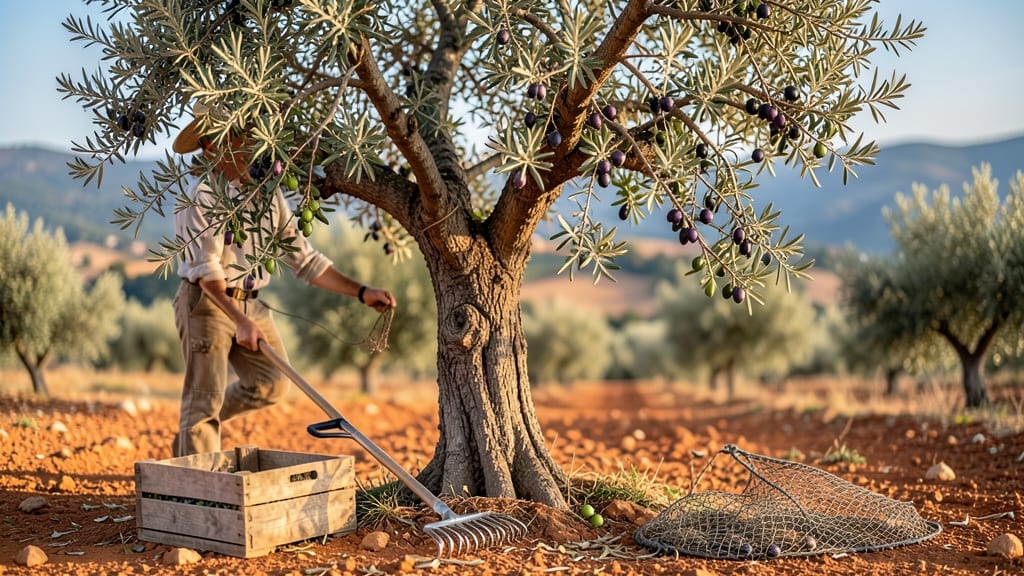
The Italian olive harvest happens between October and January, with exact timing depending on the region and variety 🫒—and missing the window means missing peak oil quality and flavor.
Picture this: rolling hills of Tuscany blanketed in purple-black olives, the air thick with the scent of crushed fruit in traditional frantoi mills. But here’s the catch—harvest dates shift from early October in Calabria to late December in Puglia, all because of climate, altitude, and even the olive tree’s variety.
For gardeners or homesteaders growing olives in Italy’s 8a-10a zones, timing is everything. Harvest too early, and the oil lacks richness; too late, and the fruit spoils. I’ll break down the month-by-month schedule by region, plus how to spot when your own olives are ready to pick.
You’ll also discover how local festivals mark the harvest season, why some varieties like Frantoio ripen weeks earlier than Coratina, and practical tips to track harvest updates from Italian agricultural cooperatives.
Olive harvest dates by Italian region: month-by-month breakdown
Italy’s olive harvest unfolds like a seasonal symphony, with each region playing its part in a month-by-month rhythm dictated by climate and tradition.
In northern Italy, where cooler temperatures slow ripening, harvests often begin as early as late October, while southern regions like Sicily and Calabria may extend into January. The timing isn’t just about weather—it’s also about preserving the unique terroir that defines Italian olive oil.
Traditional frantoi (stone mills) operate on strict schedules, with some rural communities hosting harvest festivals that draw visitors eager to witness the transformation of olives into liquid gold.
Missing the window can mean lower oil quality or even wasted labor, as unripe olives yield bitter oil and overripe ones spoil quickly. Let’s dive into the regional breakdown to pinpoint when your favorite Italian olives hit peak harvest.
| Region | Primary Varieties | Harvest Months | Climate Influence | Frantoi Peak |
|---|---|---|---|---|
| Tuscany | Frantoio, Leccino | Late October - November | Cooler nights, mild days | Early November |
| Puglia | Ogliarola, Cellina | November - December | Mediterranean warmth | Mid-December |
| Calabria | Moresca, Dolce Agogia | December - January | Mild winters, coastal breezes | Early January |
| Sicily | Nocellara, Tonda Iblea | January - Early February | Warm, dry conditions | Mid-January |
| Umbria | Frantoio, Leccino | Late October - November | High altitude, cooler | Early November |
| Veneto | Casaliva, Frantoio | November | Moderate rainfall | Late November |
In Tuscany, the harvest kicks off in late October for varieties like Frantoio and Leccino, prized for their balanced oil profiles. The cooler nights and mild days create ideal conditions for preserving the olives’ polyphenol content, which gives Tuscan olive oil its signature bitterness and pungency.
Local frantoi often begin processing by early November, aligning with regional festivals like the Fiera dell’Olio in Lucca.
Puglia, Italy’s olive oil powerhouse, stretches its harvest into December thanks to its Mediterranean climate. Varieties like Ogliarola and Cellina thrive here, with peak milling occurring in mid-December. The region’s stone mills are legendary, and tours during harvest season offer a glimpse into centuries-old traditions. If you’re planning a trip, aim for November-December to catch the action.
Southern Italy’s Calabria and Sicily push the envelope further, with harvests often extending into January. Moresca olives from Calabria and Nocellara from Sicily ripen later due to warmer coastal climates.
These regions rely on early morning harvesting to prevent olives from overheating, a critical factor for maintaining oil quality. Frantoi in Sicily, like those in Ragusa, may operate around the clock during peak season.
For gardeners or homesteaders growing olives, understanding these regional patterns can help you anticipate your own harvest timing. If you’re cultivating Leccino or Frantoio in a cooler climate, expect an October-November window, while Dolce Agogia or Coratina in warmer zones may wait until December or January.
Pay attention to olive color—ripe fruit turns deep purple or black—and perform a simple squeeze test to check for softness.
Missed the harvest window? Don’t worry—some varieties, like Frantoio, can be harvested slightly later for table olives, though oil quality may suffer. Always prioritize timely picking to ensure the best flavor and yield.
Whether you’re a local farmer or a curious gardener, Italy’s olive harvest offers a rich tapestry of tradition and practical wisdom worth embracing.
🌿
How olive varieties affect harvest timing in Italy
Italy’s diverse olive varieties ripen at different times, creating a staggered harvest that spans from October to January. The Coratina variety, common in Puglia, typically reaches peak ripeness in late October, while Dolce Agogia from Calabria waits until December.
This variation isn’t random—it’s influenced by genetics, climate, and even altitude.
Higher elevations like Tuscany’s Chianti region often see harvests start later due to cooler temperatures. Meanwhile, coastal areas in Sicily or Apulia enjoy warmer microclimates, accelerating ripening. Even processing methods play a role: cold-pressed oils require precise timing for optimal flavor, while traditional stone mills offer more flexibility.
| Variety | Peak Harvest Month | Climate Influence | Processing Note |
|---|---|---|---|
| Coratina | Late October | Dry, warm Puglia | Cold-pressed for fruity oils |
| Leccino | November | Cooler Tuscan hills | Traditional stone mills |
| Dolce Agogia | December | Calabrian coastal | Late harvest for table olives |
| Frantoio | October-November | Variable by altitude | Balanced for dual use |
Moisture levels also shift harvest windows. Drought-stressed trees may ripen earlier, while wet autumns can delay maturity by weeks. I’ve seen Frantoio olives in Umbria wait until mid-November after heavy rains, whereas the same variety in drier Sardinia ripens by late October.
Processing methods add another layer. Cold-pressed oils demand precise timing—harvesting Coratina too late risks bitter flavors, while stone-milled olives can tolerate slight delays. Local frantoi often adjust schedules based on these factors, blending varieties to create balanced oils.
For home growers, note that altitude adjustments matter. A Dolce Agogia tree at 2,000 feet in Calabria may ripen in November instead of December. Always monitor olive color and firmness—black with slight softness signals readiness, regardless of the calendar.
Understanding these nuances helps you time your harvest for peak quality. Whether you’re pressing oil or curing table olives, matching variety to climate and method ensures the best results—just like Italy’s master frantoi operators have done for centuries. 🫒