
Picking
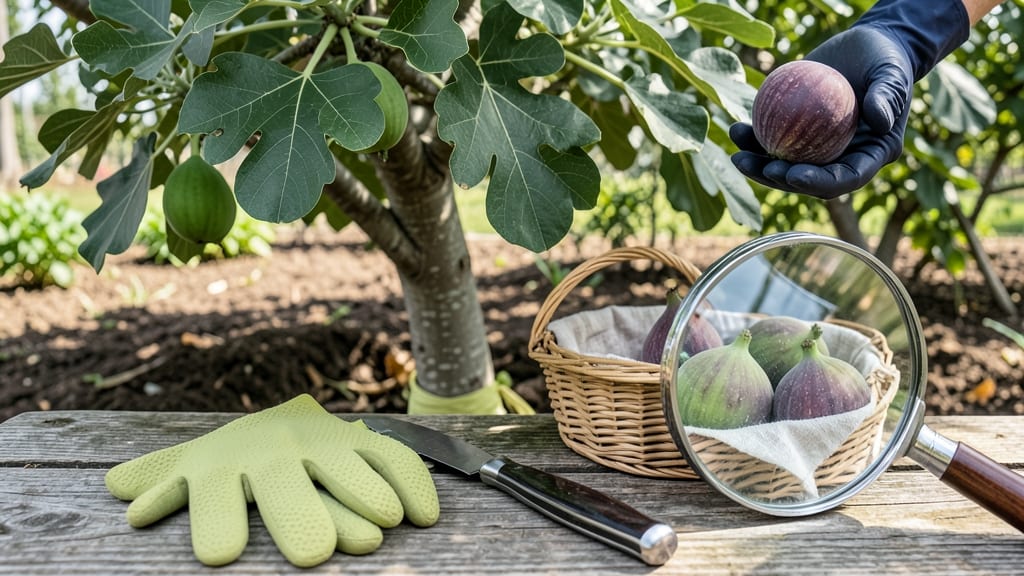
Harvesting a fig tree at the right time means the difference between sweet, juicy fruit and a bitter, mushy mess—so timing is everything.
Picture this: you’ve waited months for your 🍈 to ripen, only to pick them too early and end up with hard, flavorless figs. Or worse, you wait too long, and they turn into a sticky, wasp-infested pulp.
The key? Knowing when to harvest ensures you get the perfect balance of sweetness and texture every time.
Most figs ripen between late summer and fall, but the exact moment depends on color, texture, and even your local climate. A ripe fig should yield slightly when gently squeezed and have a deep, rich hue—whether purple, brown, or yellow—depending on the variety.
Miss these cues, and you’ll miss out on the best flavor your tree has to offer.
In this guide, I’ll walk you through the exact signs of ripeness, seasonal variations by region, and pro tips to avoid common mistakes. By the end, you’ll know when to harvest your figs for that ideal sweetness and juiciness—no guesswork required.
How to identify perfectly ripe figs using color and texture
Figs ripen quickly, and their perfect harvest window is narrow—miss it, and you’ll end up with either hard, flavorless fruit or overripe mush. The key lies in mastering two simple checks: color shifts and texture cues.
Unlike many fruits, figs don’t ripen off the tree, so timing is everything. Start by examining the skin color, which changes dramatically as the fruit matures.
Most fig varieties transition from bright green to their mature hue—think deep purple (like Mission figs), brownish-red (like Brown Turkey), or yellow-green (like Celeste figs). This color shift signals the fruit’s sugars are peaking.
However, don’t rely solely on color—some varieties, like Chicago Hardy, stay greenish even when ripe. That’s where texture becomes your best friend.
Texture is the secret weapon for nailing fig ripeness. A perfectly ripe fig should feel soft but firm, almost like a plump grape. Gently squeeze the fruit—if it yields slightly under pressure but doesn’t feel mushy, it’s ready. Overripe figs will squish like jelly, while underripe ones stay rock-hard. Pro tip: Check the stem end—it should start to dry out slightly or turn brown, indicating the fig is nearing peak ripeness.
| Variety | Mature Color | Texture Test | Harvest Tip |
|---|---|---|---|
| Mission | Deep purple | Soft with slight give | Harvest when stem dries |
| Brown Turkey | Brownish-red | Firm but yielding | Check for brown base |
| Celeste | Yellow-green | Plump and slightly soft | Snap test: gentle twist |
| Chicago Hardy | Greenish-brown | Slightly firm with give | Ripens later in season |
The snap test is my favorite trick for confirming ripeness. Gently twist a fig at its stem—if it detaches easily with a slight resistance (like snapping a ripe tomato), it’s ready. If it won’t budge, wait a day or two.
If it falls apart, you’ve missed the window. This test works especially well for second-crop figs, which often ripen faster and are more prone to overripening.
Don’t overlook the base of the fig, where the stem meets the fruit. A ripe fig’s base will dry out slightly or develop a brownish ring. This is nature’s way of signaling the fruit is ready to be picked.
Ignore this cue, and you risk figs splitting open on the tree, attracting wasps or birds. Pro growers often harvest figs in the early morning when temperatures are cool—this preserves their sweetness and firmness.
Regional climate plays a role too. In warmer zones (USDA 8-10), figs ripen earlier (as early as late July), while in cooler zones (USDA 6-7), they may not reach peak ripeness until September or October.
Always monitor your tree daily during harvest season, as figs can go from perfectly ripe to overripe in 24 hours. A quick glance at your fig tree every morning can save you from a bitter harvest.
One common mistake? Assuming all figs on a tree ripen at once. Second-crop figs (common in biennial varieties) often ripen 3-4 weeks later than the first batch. Keep an eye out for new figs forming after the initial harvest—these will follow the same ripening cues but on a delayed timeline.
If you’re unsure, pick a few test figs and taste them. A ripe fig should be sweet with a hint of jammy texture—if it’s bland or tart, it’s not ready yet.
Finally, store your freshly picked figs properly to extend their shelf life. Place them in a single layer in the fridge (they won’t ripen further but will stay fresh for 3-5 days). For immediate enjoyment, eat them at room temperature within 24 hours of picking.
The sweetest, most flavorful figs are always those plucked at peak ripeness—so trust your eyes, your fingers, and that little snap test!
With these visual and tactile cues, you’ll never miss the perfect moment to harvest again. Happy fig picking!
Fig tree harvesting calendar: seasonal timing by variety
Timing your fig harvest depends on both the variety and your climate zone. Most fig trees produce two crops per year—a main crop in late summer and a second crop in fall—though cold-hardy varieties like Chicago Hardy may only yield once.
Understanding these patterns ensures you never miss peak ripeness.
In USDA Zones 8-10, where figs thrive year-round, the first crop typically ripens between late July and September, while the second crop follows in September-October. For colder zones (6-7), focus on early-maturing varieties like Celeste or Desert King, which ripen by mid-September before frost.
📅 Fig Harvesting Timeline by Variety
- 🌱 Early Varieties (e.g., Celeste, Kadota): Harvest late July-August in warm zones. These ripen first and are ideal for container growing.
- 🍈 Main Crop (e.g., Mission, Brown Turkey): Peak ripeness in August-September. Check for color change and softness—this is your largest harvest!
- 🍂 Second Crop (Biennial Trees): September-October for varieties like Violette de Bordeaux. These figs often ripen slower but are sweeter and more flavorful.
- ❄️ Cold-Hardy Varieties (e.g., Chicago Hardy): Harvest by mid-September in Zones 5-6. These trees produce one crop annually and need frost protection afterward.
- 🌡️ Frost Watch: If temps drop below 32°F (0°C), harvest all remaining figs immediately—even unripe ones will ripen indoors at room temperature.
For Mission figs, the most popular variety, the first crop ripens in late August, while the second crop follows in October. Brown Turkey figs, another classic, mature slightly earlier—watch for their deep purple blush as a cue.
In container-grown figs, harvest times may shift 1-2 weeks earlier due to heat stress.
Pro tip: Mark your calendar based on your tree’s variety and local frost dates. If you’re in a cooler zone, opt for early-maturing varieties like Osborn Prolific, which ripens by early September. For warm climates, Violette de Bordeaux offers a late-season treat with its rich, honeyed flavor.
Remember, figs won’t ripen further once picked—so harvest them at peak ripeness for the best flavor. Store unripe figs at room temperature to finish ripening, but never refrigerate ripe ones, as cold turns their flesh mealy. 🌿