
How To
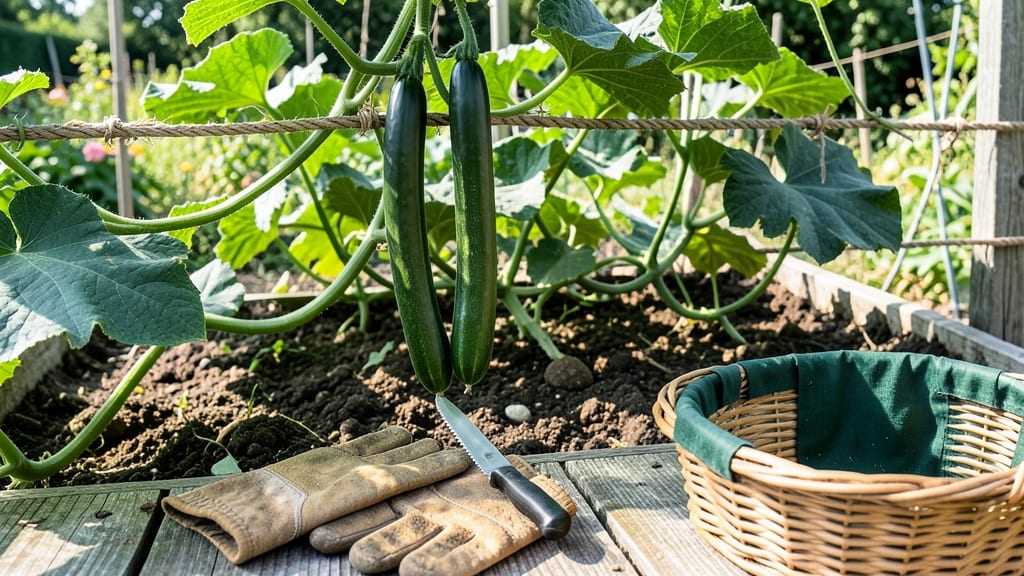
Harvesting Armenian cucumbers at the right time ensures crisp, seedless perfection 🥒 — a window that opens just 60 days after planting and closes when the vines slow in September.
Picture this: you’ve nurtured your Armenian cucumbers all summer, and now the moment of truth arrives. One wrong move, and you’re left with bitter, seedy pods instead of the tender, sweet harvest you’ve been dreaming of.
The key? Knowing exactly when to reach for those 6-8 inch beauties before they outstay their welcome.
Unlike their bushy cousins, Armenian cucumbers grow fast and tall, demanding a sharper eye for readiness. You’ll need to check for firmness, color, and stem snap — three simple tests that take under 10 seconds each but make all the difference between a stellar harvest and wasted effort.
In this guide, I’ll walk you through the tactile tests that never fail, the common mistakes that rob you of flavor, and how to stretch your harvest season by up to two extra weeks with just a few tweaks.
3 Tactile tests to determine perfect Armenian cucumber ripeness
Harvesting Armenian cucumbers at their peak requires more than just eyeballing their size. These slender, flavorful gems thrive when you combine visual cues with tactile tests to gauge ripeness. Unlike their rounder cousins, Armenian cucumbers mature faster and develop bitterness if left too long on the vine.
I’ve perfected three simple touch-based methods to ensure every harvest delivers that signature crisp, seedless quality.
The key to success lies in understanding how texture, size, and seed development interact. A cucumber that’s too firm might still be growing, while one that’s too soft could be past its prime.
By mastering these physical indicators, you’ll transform your harvest from hit-or-miss to consistently perfect. Let’s dive into the three tests that have saved my Armenian cucumber harvests year after year.
-
Test 1: The 6-8 Inch Rule
Size Matters
Measure cucumbers at 6–8 inches. Any shorter, and they’re still developing sweetness; beyond 8 inches, seeds harden and flavor declines. -
Test 2: The Gentle Squeeze
Firm Yet Yielding
Press lightly—skin should yield slightly (like a ripe avocado) but not dent. Overripe cucumbers feel mushy; underripe ones resist pressure entirely. -
Test 3: The Stem Snap
Easy Release
Gently bend the stem—it should snap cleanly at the vine. If it resists, the cucumber’s not ready; if it pulls away with effort, it’s overripe.
Start with the size check—Armenian cucumbers rarely exceed 8 inches at peak ripeness. Use a ruler or your hand as a guide: a cucumber should span from your wrist to your fingertips (about 7 inches).
If it’s shorter, give it 2–3 more days. If it’s longer, harvest immediately to avoid bitter seed development.
The gentle squeeze test reveals hidden clues about internal ripeness. Press your thumb and forefinger into the cucumber’s skin—it should give just enough to feel slight resistance. Think of it like testing a ripe tomato: too firm, and it’s underdone; too soft, and it’s overripe.
This test is especially critical for Armenian cucumbers, which lose crispness faster than round varieties.
Don’t overlook the stem snap test, my secret weapon for avoiding overripe cucumbers. Hold the cucumber near its stem and bend it gently. A ready-to-harvest cucumber will separate cleanly from the vine with minimal force.
If the stem resists, the cucumber needs more time. If it pulls away with the slightest tug, it’s past its prime—save it for pickling or compost.
Timing your harvests correctly also depends on the time of day. Armenian cucumbers are most flavorful when harvested in the early morning, after evening dew has evaporated but before the sun intensifies.
This reduces stress on the plant and ensures peak crispness. I set a reminder on my phone for 7 AM harvests—it’s become a non-negotiable ritual.
For gardeners in warmer climates (USDA Zones 8–10), Armenian cucumbers may mature faster due to extended growing seasons. Monitor size and texture daily, as heat can accelerate ripening.
In cooler zones (like Zone 6a), focus on the stem snap test—slower growth means cucumbers may stay firm longer, masking true ripeness.
One common mistake I see is relying solely on color to judge ripeness. While deep green is ideal, Armenian cucumbers can turn yellowish or develop white streaks when overripe. Always pair color with the tactile tests for accuracy.
Pro tip: Use a small notebook to track cucumber development—note size, texture, and harvest date to refine your timing over time.
Consistency is key to maximizing your Armenian cucumber harvest. Aim to pick every 2–3 days during peak production (July–August). Frequent harvesting encourages the plant to produce more cucumbers, extending your season by weeks. I’ve found that plants yielding 3–4 cucumbers per harvest cycle stay productive until the first frost.
When in doubt, harvest slightly early—Armenian cucumbers continue ripening off the vine for 1–2 days if stored in a cool, dark place. This flexibility lets you plan meals or share harvests without worrying about overripe cucumbers.
Just avoid refrigerating them, as cold temperatures turn their skin mealy and flavor dull.
Mastering these tactile tests will transform your Armenian cucumber harvests from guesswork to precision. Soon, you’ll be the gardener everyone asks for crisp, seedless cucumbers—ready to slice, pickle, or enjoy fresh in salads. Happy harvesting! 🥒
Size vs. seed maturity: why Armenian cucumbers need special attention
Armenian cucumbers grow differently than standard slicing varieties, requiring a unique approach to harvest timing. While most cucumbers reach maturity at 10+ inches with thick seeds, Armenian cucumbers peak at just 6–8 inches.
This earlier harvest window preserves their delicate flavor and tender texture, which quickly deteriorate if left on the vine too long.
Unlike their larger counterparts, Armenian cucumbers develop seeds rapidly once they reach 6 inches. Waiting even 24 hours beyond this size can turn their crisp flesh mealy and bitter. Their slender shape also means they ripen faster, making daily checks essential during peak production months (July–September).
The seed maturity difference is critical—Armenian cucumbers form seeds 3x faster than standard varieties. By 8 inches, their seeds can already be visible, signaling overmaturity. This rapid seed development is why gardeners must prioritize size over color when harvesting these cucumbers.
The flavor trade-off is another key difference. Armenian cucumbers reach their peak sweetness at 7 inches, while standard varieties develop full flavor closer to 10 inches. Their thin skin also means they bruise easily, so handle them gently during harvest.
In my garden, I’ve found that harvesting Armenian cucumbers at 7 AM yields the crispest results.
Regional climates can shift these timelines slightly. In hotter zones (9+), Armenian cucumbers may ripen 2–3 days faster due to accelerated growth. Conversely, cooler regions (Zone 5) might extend the harvest window by 4–5 days. Always adjust based on your local frost-free days and microclimate conditions.
To maximize yield, I harvest Armenian cucumbers every 2–3 days during peak season. This frequent picking prevents overcrowding on the vine, which stresses the plant and reduces future production. Store harvested cucumbers in a cool, shaded area (not refrigerated) to maintain crispness for up to 5 days. 🥒