
How To
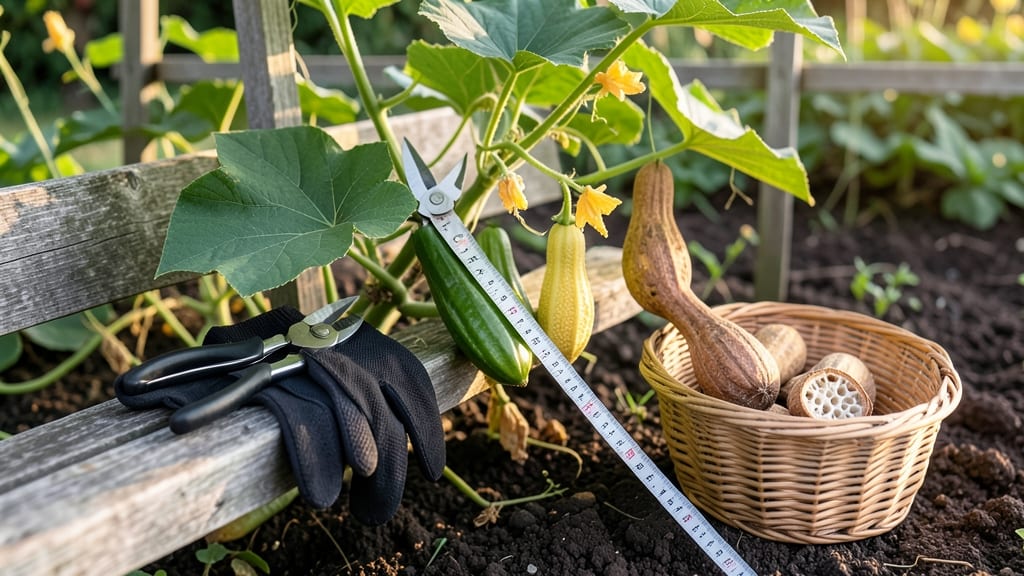
Harvesting luffa 🍈 at the right moment turns a fuzzy vine into a sustainable sponge—no one wants to miss that perfect texture or end up with a bitter gourd.
Picture this: you’ve spent months tending to your luffa, and now the gourds are ready—but how do you know for sure? Too early, and the strings won’t develop properly; too late, and the fruit becomes tough and unusable.
The key lies in three simple touch tests that reveal when your luffa is primed for harvest.
Whether you’re growing luffa in tropical climates or pushing the limits in USDA zones 8+, timing is everything. I’ll walk you through the exact cues to watch for, from rind hardness to vine color, so you never guess again.
By the end, you’ll confidently pick your luffa at the ideal stage, ensuring a perfectly stringy result every time—no more second-guessing or wasted effort.
3 Touch tests to determine perfect luffa harvest time
Harvesting luffa at the right moment is all about texture and timing. Unlike many fruits, luffa gourds don’t ripen off the vine, so you must pick them at peak readiness.
The key lies in three simple touch-based tests that reveal whether your gourds are ready to transform into sustainable sponges. These tactile methods work for both beginner gardeners and seasoned growers, ensuring you never miss the perfect harvest window.
First, understand that luffa gourds mature in three distinct stages: young, mature, and overripe. Each stage has unique physical characteristics that your hands can detect. The ideal harvest window occurs when the gourds reach a delicate balance between firmness and dryness.
Missing this window means either a soggy, unusable gourd or one that’s too woody to process properly. Let’s explore the three touch tests that will help you nail the perfect harvest every time.
Test Rind Firmness
Press your fingernail into the outer rind. At the perfect harvest time, the skin should feel hard but not brittle, similar to a ripe cantaloupe. If it dented easily, wait a few days. If it cracks under pressure, you’ve missed the window.
Check Peel Color
Run your hand along the gourd’s surface. Ready-to-harvest luffa will have a dull, gray-brown hue that feels slightly rough. If the peel is still green or shiny, it’s not ready. Overripe gourds turn yellowish-brown and papery, making them too dry for ideal string development.
Shake for Seed Readiness
Gently shake the gourd near your ear. When fully mature, the seeds will rattle loudly inside, indicating they’re dry and shriveled. If you hear a thudding or wet sound, the seeds are still moist, and the gourd needs more time on the vine.
For tropical climates, these touch tests work year-round since luffa thrives in warm weather. However, in temperate zones, time your harvests for late summer to early fall before the first frost.
Luffa vines die back naturally as they mature, so don’t be alarmed if the foliage turns yellow—this is a natural signal that your gourds are nearing harvest readiness.
If you’re growing luffa in containers or small spaces, pay extra attention to the vine’s health. Overcrowded plants may produce smaller gourds that mature faster, so monitor them weekly during the harvest window.
Use a soft cloth to gently touch the gourds daily, as this helps you track progress without damaging the delicate skin.
One common mistake is harvesting based solely on size. While mature luffa gourds typically grow 12–24 inches long, size alone isn’t a reliable indicator. A gourd could be large but still soft inside, or small but perfectly ripe.
Always combine the three touch tests for accuracy. For example, a gourd might feel firm but still have green patches—this means it needs more time.
Pro tip: Harvest on a dry, sunny morning to ensure the gourds have minimal moisture when you bring them indoors. Use a sharp pruning shear to cut the gourds from the vine, leaving a small stem attached.
This prevents damage to the plant and makes processing easier later. After harvesting, place the gourds in a well-ventilated area to dry for 2–3 days before full processing.
Remember, luffa gourds won’t soften after harvest, so timing is everything. By mastering these three touch tests, you’ll consistently harvest gourds that transform into high-quality, stringy sponges perfect for baths, cleaning, or crafts. Happy harvesting!
Common mistakes that ruin luffa harvests (and how to avoid them)
Even experienced gardeners can fall into luffa harvest traps that turn your fuzzy dreams into bitter disappointments. One of the biggest mistakes? Harvesting too late—when the gourds turn woody and lose their sponge potential.
I’ve seen overripe luffas become brittle and unusable, all because I ignored the vine’s natural yellowing signal.
Another common pitfall is mistaking immature gourds for ready-to-harvest ones. A green luffa with soft rinds won’t develop the signature stringy texture—it’ll stay mushy inside. I once picked a half-grown luffa thinking it was ready, only to discover it was still edible but useless for sponges.
Always double-check with the touch test before cutting.
⚠️ Warning: Harvesting Too Late
If your luffa rind turns dark brown and cracks open naturally, it’s past prime! Overripe gourds develop bitter flavors and hard seeds that ruin the string quality. Act now: Harvest when vines yellow 50% but before fruit detaches on its own.
Ignoring vine health is another silent harvest killer. A weak or diseased vine won’t produce quality luffas—even if the gourds look perfect. I’ve had powdery mildew ruin entire harvests by making gourds deform or rot prematurely.
Always prune yellow leaves and space vines properly (6+ feet apart) to improve airflow and reduce fungal risks.
Here’s a quick fix for common harvest mistakes: If you’ve already picked overripe luffas, don’t toss them! Soak them in vinegar water (1:3 ratio) for 24 hours to remove bitterness before drying.
For underripe gourds, leave them on the vine another 7–10 days and monitor daily for rind hardening.
One final mistake? Harvesting in wet conditions. Damp luffas mold quickly during drying. Always pick on dry, sunny mornings and let gourds air-dry for 2 hours before processing. Pro tip: Use a fan on low to speed up drying without over-drying the strings.
By avoiding these 5 critical mistakes, you’ll turn your luffa harvest from hit-or-miss to consistently perfect sponges. Start with the touch test, watch your vines, and harvest like a pro—no bitter surprises here! 🌿