
Vegetables
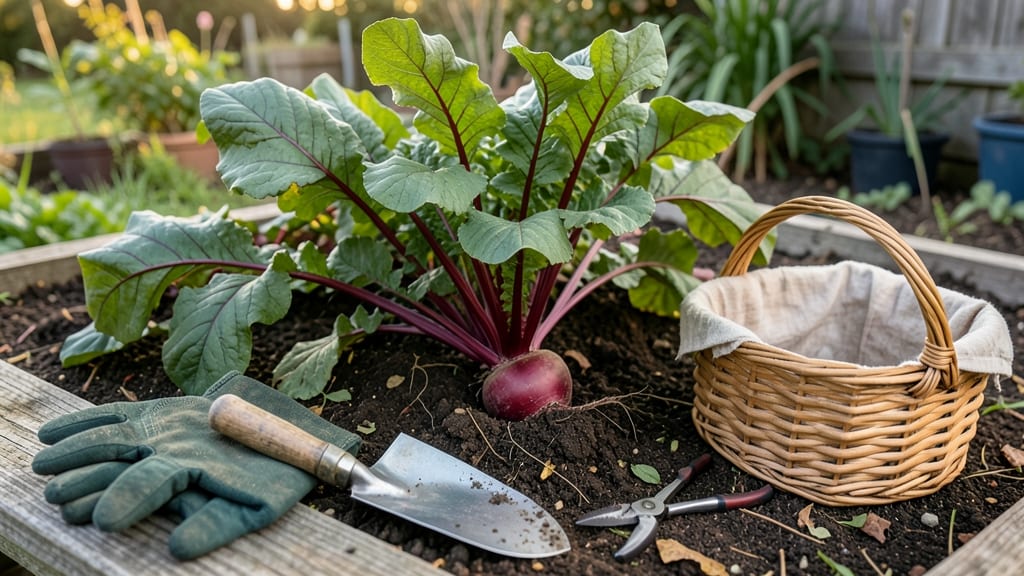
Harvesting beet roots at the right time ensures tender, sweet flavor instead of tough, woody disappointment — and the key is knowing when those roots hit peak perfection.
Picture this: you’ve nurtured your 🍠 for weeks, only to pull a root that’s either shriveled or rock-hard. That’s the difference between a 5-minute dinner and a culinary misstep.
The good news? Timing beets correctly is simpler than you think, and I’ll walk you through the exact cues to watch for.
From size and color to soil temperature and day length, these 3 tactics will help you avoid over-mature roots and maximize sweetness. Whether you’re growing Detroit Dark Reds or golden Chioggia varieties, the same rules apply — and I’ll show you how to adjust for your climate zone.
Ready to go from guessing to harvesting like a pro? By the end, you’ll know when to pull your beets for the best texture, how to store them for freshness, and even when to replant for a second crop. Let’s dig in.
How to determine beet root harvest time by size, color & soil conditions
Harvesting beets at the perfect moment transforms your garden effort into restaurant-quality results. The key lies in watching three critical factors: root size, leaf color, and soil resistance. Each clue works together to tell you when your beets are ready to pull—before they become tough and woody.
Most gardeners focus on root diameter, but the leaf health and soil conditions reveal just as much. For example, a beet with 2-3 inch roots and vibrant green tops is ideal, while one with yellowing leaves or hard soil signals it's past its prime.
Let's break down these indicators so you never miss the sweet spot.
| Indicator | Ideal Harvest Signs | Overripe Signs |
|---|---|---|
| Root Size | 2-3 inches diameter | 4+ inches diameter |
| Leaf Color | Deep green, healthy | Yellowing or wilted |
| Soil Resistance | Gives slightly when pulled | Hard to extract (woody) |
| Root Shape | Round and smooth | Irregular, cracked |
| Days to Maturity | 50-60 days | 70+ days |
Your beet variety plays a surprising role in harvest timing. Baby beets like 'Little Ball' mature in just 40-50 days and should be harvested when roots are 1-2 inches wide. In contrast, storage varieties like 'Detroit Dark Red' take 60-70 days and need larger roots for long-term storage.
Climate also shifts your harvest window. In cool climates, beets grow slower and may need 10-14 extra days to reach ideal size. Meanwhile, in hot regions, they mature faster but risk becoming tough if left too long.
Always adjust your expectations based on your local growing season and soil temperature.
One often-overlooked trick is the soil squeeze test. Gently press the soil around your beet—if it gives slightly when you pull, the root is ready. If the soil feels hard and resists, your beet has overstayed its welcome.
This tactile check saves you from harvesting beets that are already developing woody fibers.
For heirloom varieties, pay attention to their unique color cues. 'Chioggia' beets, for example, develop their iconic ringed pattern when fully mature—harvesting too early means missing their signature look. Similarly, 'Golden' varieties should have a rich amber hue when ready, not pale yellow.
Timing matters just as much as technique. Harvest in the morning when soil is cool and moisture levels are optimal. This prevents stress on the plant and ensures your beets stay crisp and sweet.
Avoid pulling after heavy rain, as wet soil makes roots more prone to damage during extraction.
Remember that leaf size correlates directly with root development. When your beet's foliage reaches 4-6 inches tall, the root below is typically at its peak tenderness. If you see leaves larger than 8 inches, your beets may already be past their prime and developing tough fibers.
For gardeners in short-season climates, succession planting is key. Start a second crop 4-6 weeks after your first harvest to extend your window. This way, you'll always have fresh, tender beets ready to pull—never left to become overgrown and bitter.
Your goal is to harvest beets when they're at their sweetest and most tender. By mastering these visual and tactile cues, you'll transform your garden into a reliable source of homegrown flavor—no tough, woody disappointments in sight. 🍠
3 Tactics to prevent woody beets: harvesting methods for different varieties
Not all beets are created equal—baby beets, heirloom varieties, and storage beets each demand unique harvesting strategies. Skipping the right timing can leave you with tough, woody roots instead of sweet, tender harvests.
Let’s break down the best methods for each type and how to adjust for your climate.
For baby beets, the key is speed. These tiny treasures mature in just 40-50 days, so check them every 2-3 weeks starting at 1 inch in diameter.
If you wait too long, even baby beets can develop a fibrous texture. In cooler climates, they’ll grow faster—harvest when soil temps hover around 55-65°F.
Heirloom varieties like ‘Chioggia’ or ‘Golden’ beets need patience. Aim for 60-70 days to maturity, but monitor their leaf color—deep green tops signal readiness. In hot climates, these varieties may bolt prematurely, so prioritize even moisture and shade cloth if temps exceed 85°F.
Storage beets, like ‘Detroit Dark Red’, thrive when left in the ground longer. Harvest when roots reach 3-4 inches and tops are 6-8 inches tall. For overwintering, pull them before first frost (around October 30 in Zone 6a) and store in cool, dark conditions.
- 1. Roots too small (<1 inch): Not ready—wait 1-2 weeks or check soil moisture.
- 2. Leaves yellowing or wilting: Stress signal—adjust watering or thin seedlings immediately.
- 3. Soil resistance when digging: Overripe—harvest now or risk woody texture.
- 4. Daylength cues (shortening days): Heirloom signal—pull roots before frost or bolting.
Adjust your harvest timing based on greens vs. roots. For beet greens, snip leaves when they’re 4-6 inches tall—young leaves are most tender.
Leave the root intact to regrow for 2-3 more harvests. For roots, dig when they’re firm but still easily pierced with a finger.
In hot climates, prioritize early morning harvests to avoid stress. In cool climates, extend the season by planting successive crops every 2 weeks. Always use a garden fork to loosen soil—rough handling can bruise roots and speed up woody development.
Master these tactics, and you’ll enjoy sweet, crisp beets all season—no woodiness in sight! 🌱