
Vegetables
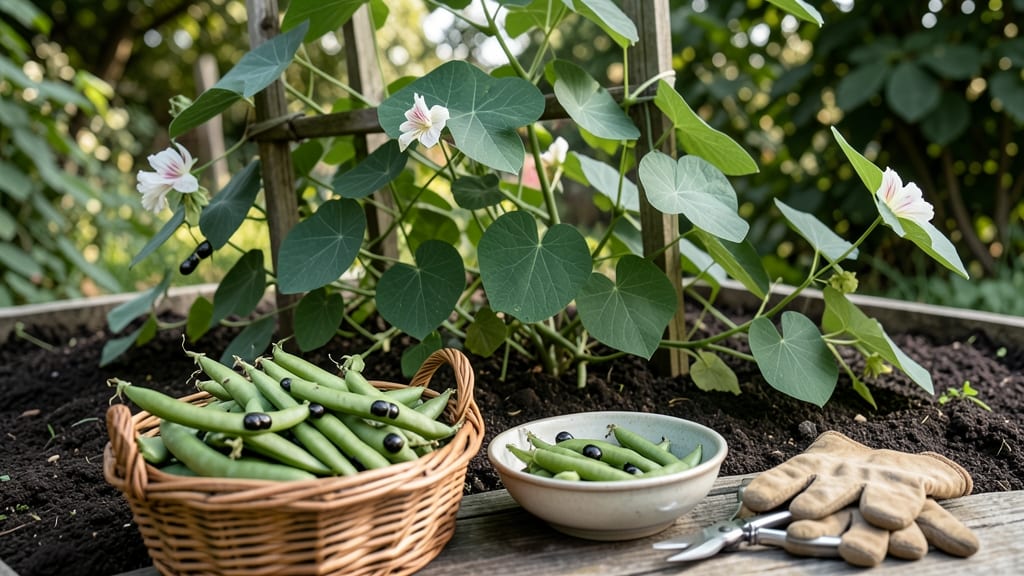
Harvest black-eyed peas when pods are 2-3 inches long and seeds jiggle slightly inside—this is the sweet spot for tender, flavorful beans.
Miss this window, and you’ll end up with tough, stringy pods that taste like overcooked shoelaces. The secret? A quick snap test: if the pod cracks open with a faint pop, it’s ready to pick.
Timing matters because black-eyed peas mature fast—just 60-90 days from planting. Too early, and the peas are underdeveloped; too late, and they turn woody. I’ve learned the hard way that patience pays off.
Below, I’ll walk you through the exact visual cues, seasonal adjustments, and post-harvest care to keep your harvest bountiful and delicious.
How to tell when black eyed peas are ready to harvest by pod appearance
Harvesting black-eyed peas at the perfect moment transforms your garden into a flavorful feast. The key lies in watching for visual maturity cues—specifically, pod size, color shifts, and texture changes.
Unlike some legumes that turn yellow or brown when ripe, black-eyed peas stay green but develop subtle signals that scream "pick me now!"
First, focus on pod length—ideal harvest pods measure 2 to 3 inches long. This size ensures the peas inside are plump but still tender, avoiding the tough, stringy texture that comes from waiting too long.
If your pods are shorter than 2 inches, they’re not ready yet, but don’t worry—black-eyed peas mature quickly once they hit this stage.
Next, check the pod’s firmness with the "jiggle test." Gently squeeze a pod between your thumb and forefinger. A ready-to-harvest pod will have a slight give—like a ripe avocado—without feeling mushy.
Overripe pods turn soft and may even start to split open, releasing seeds prematurely. This is your warning sign to act faster next time!
Don’t overlook the "crack test"—a foolproof method for gardeners who love tactile feedback. Hold a pod between your fingers and bend it slightly. If it snaps cleanly with a slight crack, it’s harvest-ready.
If it bends without breaking, wait 2–3 days. If it cracks easily but feels hollow, you’ve missed the window—those peas are past their prime.
| Pod Stage | Size | Color | Texture | Seed Development | Action |
|---|---|---|---|---|---|
| Too Early | Under 2 inches | Bright green | Very tender | Seeds tiny | Wait 3-5 days |
| Perfect Harvest | 2-3 inches | Darker green | Firm with slight give | Seeds plump | Harvest now! |
| Overripe | Over 3 inches | Yellowing or dry | Soft/mushy | Seeds hard | Use for drying |
Pay attention to the seed visibility through the pod’s translucent skin. At the perfect harvest stage, you’ll see small, rounded seeds filling the pod but not yet touching each other. If the seeds look cramped or the pod feels hollow, it’s too late—they’ll be tough and dry.
Think of it like a window into the pod’s maturity—what you see is exactly what you’ll taste!
Timing matters even more when harvesting dry black-eyed peas (for soups or splits). For dry peas, wait until the pods turn tan or brown, the seeds rattle inside, and the pods crisp when bent.
But for fresh eating, stick to the green pod stage—this is when black-eyed peas shine brightest in salads, stir-fries, or Hoppin’ John.
Pro tip: Harvest in the morning after dew has dried but before the heat of the day. This ensures pods are crisp and full of moisture. Use clean, sharp scissors or pruners to snip pods just above the leaf node—this encourages more pods to form.
Avoid tugging, which can damage the plant or leave pods behind.
If you’re unsure whether to harvest, pick a few pods as test samples. Cook them immediately and taste the peas. If they’re sweet and tender with a slight crunch, you’ve nailed the timing.
If they’re bland or mushy, adjust your future harvest schedule by 2–3 days earlier. Your taste buds will thank you!
Remember, black-eyed peas are prolific producers—once you start harvesting, new pods will keep forming. Stay vigilant, and you’ll enjoy a steady supply of fresh peas all season long. Happy harvesting!
Black eyed peas harvest timeline: days to maturity and seasonal factors
Understanding your black-eyed peas' days to maturity is key to avoiding tough, overripe pods. Most varieties mature between 60-90 days after planting, but this window shifts dramatically with climate zones and planting timing.
In warmer Southern regions (USDA Zone 8+), expect harvests as early as 60 days, while cooler Northern zones may stretch this to 90 days or longer.
Your planting date directly impacts harvest timing. Sowing seeds in early spring (March-April) typically yields summer harvests (June-August), while late spring plantings (May-June) push maturity into early fall.
Always check your seed packet for specific variety days to maturity—some fast-maturing types like 'Purple Hull' reach harvest in just 55-60 days.
| Factor | Early Season | Standard Season | Late Season |
|---|---|---|---|
| Days to Maturity | 55-65 days | 65-75 days | 75-90+ days |
| Planting Window | Late March-April | April-May | May-June |
| Harvest Months | June-July | July-August | August-September |
| Climate Adjustment | Warmer zones (-8+) | Moderate zones (6-8) | Cooler zones (4-6) |
| Pod Size at Harvest | 1.5-2 inches | 2-3 inches | 2.5-3.5 inches |
Seasonal factors like temperature and daylight hours can shorten or lengthen your harvest window. In short-day climates (like the South), black-eyed peas mature faster due to longer daylight. Conversely, longer northern summers may require staggered plantings to maintain a steady harvest.
Always monitor your plants' progress—if pods appear too quickly, your plants may be stressed by heat or drought.
For extended harvests, try succession planting every 2-3 weeks after your initial sowing. This ensures a steady supply of fresh pods throughout the growing season. In cooler regions, use black plastic mulch to warm soil and accelerate maturity by 10-14 days.
Conversely, in hot climates, provide afternoon shade to prevent premature pod development.
Watch for pod color changes as your final harvest cue. While green pods are edible, they reach peak tenderness when they develop a slightly yellow or cream hue (for cream varieties) or deep green with purple streaks (for purple hull types).
If left too long, pods will crack open and seeds will harden—always harvest before this stage for the best texture.
Pro tip: Mark your planting date on a calendar and count backward from your average first frost date to calculate your maximum harvest window. This prevents last-minute rushes to harvest before cold weather sets in. With proper timing, you'll enjoy tender black-eyed peas all season long! 🌱