
How To
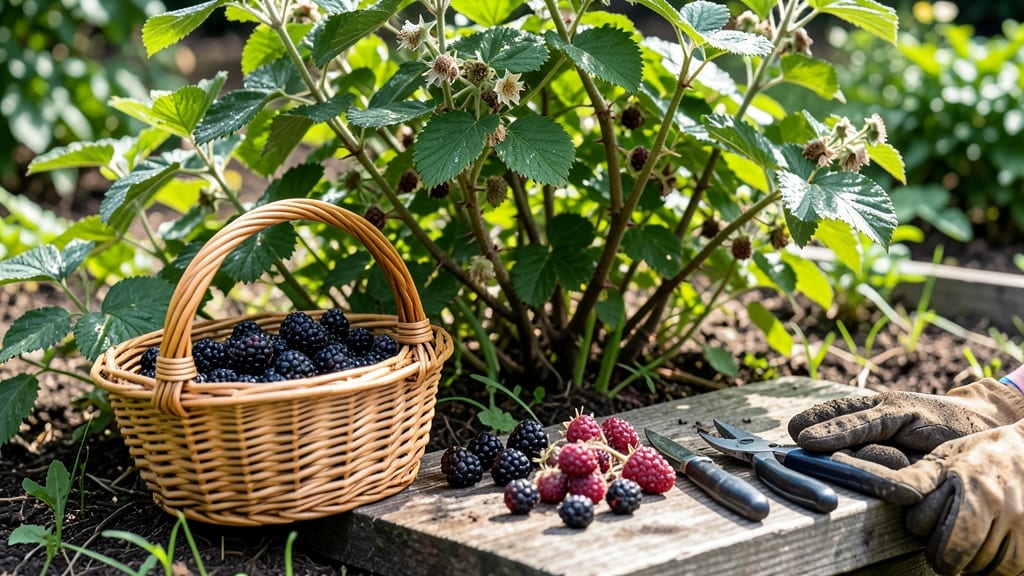
Harvesting blackberries at the right time means the difference between sweet, juicy fruit and tart, mushy disappointment.
If you’ve ever picked a 🫐 that was still hard or left a bush with half-ripe berries, you know how frustrating it can be. The key lies in watching for fully black, glossy berries that yield slightly when gently squeezed—and timing your harvest around the weather to avoid spoilage.
In Zone 6a, most varieties ripen between mid-July and late September, but color and firmness matter more than the calendar. A quick check for easy detachment and uniform ripeness across the bush ensures you don’t miss peak flavor—or worse, attract pests to overripe fruit.
Below, I’ll break down the exact visual cues, weather rules, and common mistakes that turn a good harvest into a great one. Ready to pick at the perfect moment?
How to identify perfectly ripe blackberries by color, size & firmness
Knowing exactly when to harvest blackberries ensures you enjoy the sweetest, juiciest fruit possible. Unlike some berries, blackberries don’t ripen further after picking, so timing is everything. The perfect ripe blackberry combines three key factors: deep color, plump size, and gentle firmness.
Miss these cues, and you risk picking fruit that’s either too tart or already spoiled.
Start by checking the color of blackberries. Unripe berries often appear dark purple or reddish, while ripe ones turn a deep, glossy black. Some varieties may have a slight blue tint, but avoid picking berries with any remaining green or red patches.
The color change happens gradually, so monitor your bushes daily during peak season.
Regional ripening times vary significantly. In warmer climates (Zones 8-10), blackberries may ripen as early as June, while in cooler zones (5-7), harvest typically occurs between July and September. Early-season varieties like 'Chester' ripen first, followed by mid-season types like 'Triple Crown', and late-season varieties like 'Natchez'.
| Ripeness Stage | Color | Firmness | Size | Harvest Tip |
|---|---|---|---|---|
| Unripe | Dark purple/red 🔴 |
Very firm 🤲 |
Small 📏 |
Wait 3-5 days |
| Near-Ripe | Mostly black 🫐 |
Slightly yielding 🤲 |
Medium | Check daily |
| Perfectly Ripe | Glossy black 🫐 |
Soft but not mushy 🤲 |
Large ✂️ |
Harvest immediately |
| Overripe | Black with bruises | Mushy 🤲 |
Shriveled | Use for jam |
The size of blackberries also signals ripeness. A fully ripe berry should feel plump and heavy for its size, while unripe ones may look small and shriveled. Compare berries on the same cane—ripe ones will be uniformly larger than their underripe counterparts.
If you notice uneven sizing on a single cane, prioritize harvesting the largest, darkest berries first.
Testing blackberry firmness is the most reliable method. Gently squeeze a berry between your thumb and forefinger—it should yield slightly but not feel mushy. If it’s too firm, it’s not ready; if it’s too soft, it’s overripe.
A ripe blackberry should detach easily from the stem with a gentle tug, though some varieties require a slight twist. Avoid pulling too hard, as this can damage the cane.
Regional microclimates can shift ripening windows by weeks. In Pacific Northwest regions, blackberries often ripen 2-3 weeks earlier than in Southern states due to cooler temperatures. If you’re unsure, use a blackberry ripening chart or ask local gardeners for their typical harvest dates. Early morning is the best time to pick, as berries are cooler and firmer, reducing bruising.
Watch for bird activity as a clue—birds target ripe blackberries first. If you see flocks of robins or starlings in your bushes, it’s time to harvest within 24-48 hours before they clean out your crop.
Use bird netting if birds are a persistent problem, but always prioritize picking ripe berries first to minimize waste.
One common mistake is harvesting based on calendar dates rather than ripeness. Some years, blackberries may ripen earlier or later due to weather fluctuations. Always check individual berries rather than assuming an entire cane is ready.
For flavor consistency, harvest in the coolest part of the day and store berries in the fridge for up to 3 days for peak taste.
Pro tip: Taste-test a few berries if you’re unsure. A ripe blackberry
Weather & rain checklist: when to harvest for maximum flavor and longevity
Blackberries are delicate after ripening, and weather plays a huge role in whether your harvest stays fresh or spoils. High humidity and impending rain can turn your perfect berries into mushy pulp overnight.
I’ve learned the hard way that waiting for dry, cool mornings makes all the difference—especially in Zone 6a, where sudden storms roll in during late summer.
Temperature also matters: Ideal harvest temps are between 55°F and 75°F. Hotter than that, and berries overripen quickly; cooler, and they won’t detach easily from the plant.
Early-season varieties like ‘Chester’ ripen first, while late varieties like ‘Natchez’ hold out until September—so adjust your schedule based on what’s growing in your patch.
Here’s the golden rule: Harvest before rain. Wet berries develop fruit rot fast, and birds swoop in for easy meals. If a storm’s forecasted, grab your clippers and pick everything ripe—even if it means leaving some behind for later.
🌧️ Rain & Rot Warning
Never leave ripe blackberries on the bush overnight before rain. Humidity + moisture = mold and spoilage. If you can’t harvest immediately, pick early-morning and store in the fridge (35°F–40°F) until you’re ready to use them.
Pro tip: Use a breathable container (like a paper-lined basket) to prevent bruising during transport.
Morning harvests are best because dew evaporates, leaving berries dry and intact. Avoid picking after midday heat, as the sun can cause berries to overripen and split.
If you’re dealing with late-season varieties, watch for first frost warnings—blackberries won’t survive freezing, so harvest everything before October 15 in Zone 6a.
Birds are another sneaky threat. Overripe berries attract them like magnets, so if you see birds lingering, it’s time to pick—even if the berries aren’t fully black. Cover bushes with lightweight netting if birds are a recurring issue in your garden.
Finally, adjust your schedule for early vs. late varieties. Early pickers like ‘Darrow’ need attention in July, while late varieties like ‘Ouachita’ hold until September. Plan to harvest every 2–3 days during peak season to avoid missing the window.