
Vegetables
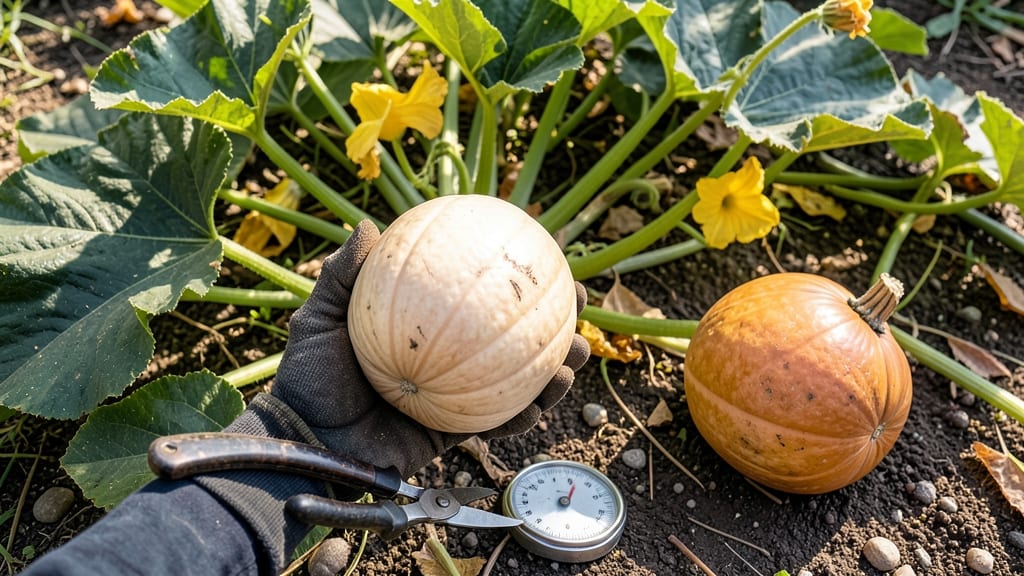
Harvesting buttercup squash at the right time means the difference between a sweet, tender 🎃 and a mealy, flavorless mess — and the best part is, you don’t need a knife to tell when it’s ready.
Picture this: you’re running your fingers over the skin, and it feels hard enough to resist a gentle squeeze, but not so tough you’d need a cleaver. That’s the sweet spot — when the squash is packed with flavor but still easy to cut.
Miss it by a week, and you’re left with a rock-hard rind and a hollow center.
But here’s the thing: most gardeners wait too long, relying on size alone. The truth? Color, texture, and even the stem’s behavior give you clearer clues than a ruler ever could. Below, I’ll walk you through three simple tests to nail the perfect harvest window — no guesswork, just results.
You’ll learn how to spot the ideal moment by touch, how to adjust for your USDA 6a climate, and what to do if you pick it too early (or too late). By the end, you’ll never second-guess your buttercup squash again.
3 Tactile tests to harvest buttercup squash at peak ripeness
Harvesting buttercup squash at the perfect moment ensures maximum sweetness and ideal texture. Unlike some squash varieties, buttercups don't soften when overripe—they become woody and bitter. The key is using your hands, not just your eyes, to assess ripeness.
These three simple tactile tests will help you determine when to harvest without cutting into the fruit.
First, let's address the most common mistake gardeners make: waiting too long for the squash to reach its full size. Buttercup squash should be harvested when they're 6-8 inches in diameter, not when they stop growing entirely.
Overripe squash loses flavor and becomes tough, while underripe ones lack that rich, nutty taste we all love.
Here's where the magic happens—your hands become your best tool. No fancy gadgets needed, just your fingers, thumbs, and eyes working together. These tactile tests are foolproof and work even in low light when color cues become harder to judge.
The firmness test is particularly important because buttercup squash can look ripe but still be underdeveloped inside. I've learned the hard way that relying solely on color can lead to disappointment.
For example, a squash might appear orange and ready, but when you press it, it feels soft—meaning it needs more time on the vine.
When performing the stem separation test, use your dominant hand and apply gentle but firm pressure. The stem should separate with a slight popping sound, almost like removing a ripe tomato from the vine.
If you hear a crackling noise or feel resistance, the squash has passed its peak. This test is especially useful in cloudy weather when color cues are less reliable.
The skin texture test might seem subtle, but it's one of the most reliable indicators. I always compare the skin to a well-worn leather—smooth but with character. Avoid harvesting squash with soft spots or deep creases, as these are signs of dehydration and overripeness.
Pro tip: Check the skin near the stem first, as this area often shows texture changes before the rest of the squash.
Timing your harvest correctly also depends on understanding the growth cycle. Buttercup squash typically reaches harvest readiness 85 days after planting, but this can vary by 2-3 weeks depending on your climate.
In warmer regions, they may mature faster, while cooler areas might need an extra week or two. Always adjust your tactile tests based on local growing conditions.
One mistake I see often is harvesting buttercup squash based on size alone. A squash can reach 8 inches but still be underripe if the skin is glossy and soft. Conversely, a smaller squash might be perfectly ripe if it passes all three tactile tests.
Always combine these methods for the most accurate results. Remember, the goal is peak flavor and texture, not just a specific diameter.
After mastering these tests, you'll notice your buttercup squash harvests become more consistent and delicious. Store them in a cool, dry place with good airflow to maintain freshness.
If you're unsure whether a squash is ready, err on the side of harvesting a day early—you can always let it ripen further indoors, but you can't reverse overripeness.
Happy harvesting! With these tactile tests, you'll never second-guess when to pick your buttercup squash again. The satisfaction of biting into a perfectly ripe squash—sweet, firm, and nutty—is worth the effort. 🎃
Buttercup squash ripeness stages: what to expect before, during, and after harvest
Understanding the development stages of buttercup squash helps you predict when to harvest based on visual and textural cues. Before flowering, the fruit starts as a soft, pale green bump, growing rapidly as the plant directs energy toward fruit development.
During flowering, the squash begins hardening and changing color—this is when you’ll see the first signs of ripeness.
At peak ripeness, buttercup squash typically measures 6-8 inches in diameter and weighs 2-4 pounds. The skin transitions from glossy to matte and hard, while the stem near the fruit dries and shrinks. Missing these cues can lead to overripe squash with woody texture and reduced flavor.
| Stage | Size | Skin Texture | Stem Condition | Flavor Potential |
|---|---|---|---|---|
| Early Growth | 2-3 inches | Soft, glossy | Plump, green | Not ready |
| Peak Ripeness | 6-8 inches | Hard, matte | Dry, shriveled | Sweet, nutty |
| Overripe | 8+ inches | Tough, cracked | Rotten, detached | Mealy, bitter |
After harvest, buttercup squash stores best in a cool, dry place (50-55°F) for 2-3 weeks. Overripe squash can still be used in soups or bread, but its texture becomes grainy. To extend shelf life, avoid washing until ready to use and store in a well-ventilated container.
If you harvest too early, the squash will continue ripening off the vine, but its flavor won’t improve—it’ll just get tougher. Conversely, waiting too long risks seed development, which turns the flesh bitter. Pay attention to the stem’s dryness—this is your best indicator of readiness.
In USDA Zone 6a, buttercup squash typically reaches harvest by mid-to-late summer. If your growing season is shorter, opt for earlier-maturing varieties or use row covers to extend warmth. Always harvest in the morning when the fruit is cool and firm.
Pro tip: Gently tap the squash—if it sounds hollow, it’s overripe. A solid thud means it’s ready to pick. This simple test saves you from wasted effort and ensures every harvest is perfect.