
Vegetables
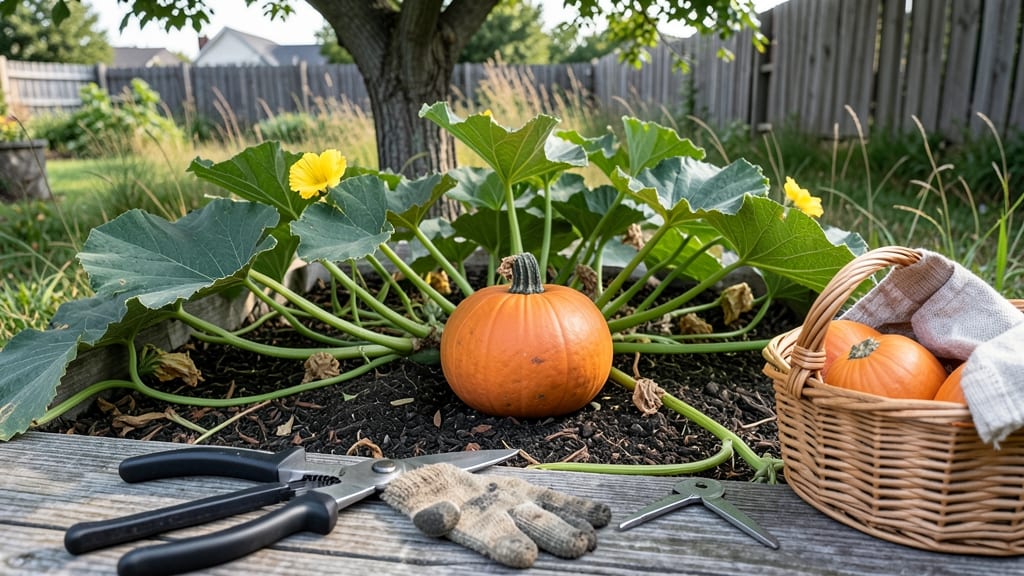
Harvesting winter squash 🎃 at the right moment means the difference between a meal-worthy prize and a sad, watery pulp.
Picture this: you’ve waited months for your butternut or acorn to ripen, only to slice into it and find flavorless, stringy flesh. Or worse, you miss the window and watch your squash rot on the vine.
The good news? With just a few simple tests, you can nail the perfect harvest time every season.
Most varieties—like kabocha or pumpkin—take 85-100 days to mature, but timing isn’t just about days on the calendar. It’s about skin hardness, stem separation, and even the color of the seeds inside.
I’ll walk you through three tactile tests that take the guesswork out of it, so you can enjoy squash that’s sweet, dense, and stores like a champ.
Ready to stop second-guessing and start celebrating your harvest? Let’s dive into the signs that tell you “yes, it’s time”—and how to prep it for storage once you’ve got it.
3 Tactile tests to determine winter squash ripeness (beyond the calendar)
Counting days after planting only tells part of the story. Winter squash like butternut, acorn, and kabocha mature at different rates, even within the same patch. Instead of guessing, use these three tactile tests to confirm ripeness—no calendar needed.
These methods work for all winter squash varieties, including pumpkins, by focusing on what you can see, touch, and feel.
First, check the stem separation. A ripe winter squash will have a stem that detaches easily with a slight twist—almost like pulling a cork from a bottle. If the stem resists or tears, the squash needs more time.
This test works best in the morning when the fruit is cool and firm. For butternut squash, the stem should separate cleanly, leaving a small stem cap behind.
Next, assess the skin hardness. Press your fingernail into the squash's skin near the blossom end. If it punctures easily, the squash isn't ready.
A ripe squash should feel hard as a baseball—so firm that your fingernail leaves no mark. Acorn squash, for example, should have a rind that’s nearly impossible to dent with gentle pressure.
Finally, examine the seed color inside. Cut a small slice near the stem to peek at the seeds. Fully ripe seeds will be deep brown or black, while underripe seeds remain pale yellow or white.
This test is foolproof for varieties like kabocha, where seed maturity directly correlates with sweetness and storage potential.
| Test | Butternut Squash | Acorn Squash | Pumpkin | Kabocha |
|---|---|---|---|---|
| Stem Separation | Twists off cleanly | Detaches with slight pull | Stem shrinks, pulls away | Stem dries, snaps easily |
| Skin Hardness | Hard as a baseball | Nearly unbreakable | Thick, resistant to dents | Firm, glossy finish |
| Seed Color | Deep brown | Dark brown/black | Black seeds | Black or grayish |
| Vine Condition | Yellowing, dying back | Wilting leaves | Brown, crispy vines | Stems turn brittle |
For butternut squash, combine these tests with the fruit's color change. The skin should shift from pale green to a deep, creamy orange—especially near the stem.
If the squash still has green patches, wait a few more days. Acorn squash, on the other hand, ripens when its skin turns a rich, golden hue with no green streaks.
Don’t ignore the vines either. Healthy, ripe winter squash will have vines that are yellowing and drying out. If the vines are still green and lush, the squash needs more time. This is especially true for pumpkins, which often ripen later in the season when frost is imminent.
Pro tip: Harvest on a dry, sunny day to prevent rot. Use a sharp knife or pruners to cut the stem, leaving a 2-inch stem cap attached. This helps the squash heal and store longer.
For kabocha, a slight curve in the stem indicates maturity—look for a gentle "S" shape where it meets the fruit.
Once harvested, cure your squash for 7-10 days in a warm, dry place (around 80°F) to develop full flavor. Store in a cool, dark spot with 60-70% humidity for up to 3 months.
The tactile tests ensure you’re harvesting at peak ripeness, so you can enjoy sweet, storable squash all winter long.
🎃
How weather and variety affect winter squash harvest timing
Your winter squash won’t ripen on the same schedule in Minnesota’s short 120-day season as it will in California’s 240-day growing zone. Regional climate dictates when to expect maturity—fast-maturing varieties like ‘Early Butternut’ may be ready in 75 days, while heirloom ‘Delicata’ needs 90-100 days.
Even within your zone, a cool summer can delay ripening by 2-3 weeks, while a hot, dry spell might speed it up.
Variety selection is your first climate adjustment tool. In northern zones (5-7), opt for bush varieties like ‘Waltham Butternut’ (80 days) or ‘Table Queen’ acorn (85 days) that mature before frost. Southern gardeners can grow vining types like ‘Sweet Dumpling’ pumpkin (100 days) with extended seasons.
Always check seed packets for days-to-maturity and adjust planting dates accordingly—earlier starts in cold climates, succession planting in warm zones.
🌱 SUMMARY TABLE: Regional Harvest Timelines by Variety
| Region/Zone | Growing Season Length | Fast-Maturing Variety | Harvest Window | Slow-Maturing Variety | Harvest Window |
|---|---|---|---|---|---|
| Northern (Zones 3-5) | 90-120 days | ‘Early Butternut’ (75 days) | Late Aug - Early Oct | ‘Kabocha’ (95 days) | Mid-Sept - Late Oct |
| Midwest (Zones 6-7) | 120-150 days | ‘Table Queen’ (85 days) | Early Sept - Mid-Oct | ‘Hubbard’ (100+ days) | Late Oct - Nov |
| Southern (Zones 8-10) | 180-240 days | ‘Sweet Dumpling’ (100 days) | Mid-Sept - Nov | ‘Turban’ (110 days) | Oct - Dec |
| Coastal (Zones 9-10) | 240+ days | ‘Delicata’ (85 days) | Aug - Oct | ‘Jack Be Little’ (90 days) | Sept - Nov |
Weather patterns create the biggest variability in harvest timing. A cool, wet summer can stretch maturity by 2-3 weeks—watch for vine dieback as your signal, not the calendar. In hot, dry climates, squash may ripen 10-15 days early; monitor skin hardness instead.
Pro tip: Use row covers in spring to jumpstart growth in cold zones, or shade cloth in summer to prevent sunscald on ripening fruit.
Don’t rely solely on days-to-maturity labels. Adjust your expectations based on local microclimates: hilltops ripen earlier than valleys, and south-facing slopes get a 2-week head start.
For example, my ‘Butternut’ squash in Zone 6 always ripens 10 days earlier when planted near the brick patio (which absorbs and radiates heat). Track your own garden’s patterns by marking planting dates and noting when vines naturally yellow.
If frost threatens before your squash ripens, use black plastic mulch to extend the season by 2-3 weeks—it warms the soil and delays frost damage. For slow-maturing varieties, harvest when the rind hardens (even if seeds aren’t fully developed) and cure them indoors.
This “early harvest” trick works best with butternut and acorn types, which tolerate partial maturity better than pumpkins or kabocha.
Remember: the first frost isn’t your enemy—it’s your cue. Many winter squash varieties sweeten in response to frost, and a light freeze can improve flavor while hardening the rind for storage.
Just avoid heavy frost that damages the fruit. Plan to harvest 2-3 weeks before your average first frost date, giving yourself a buffer