
How To
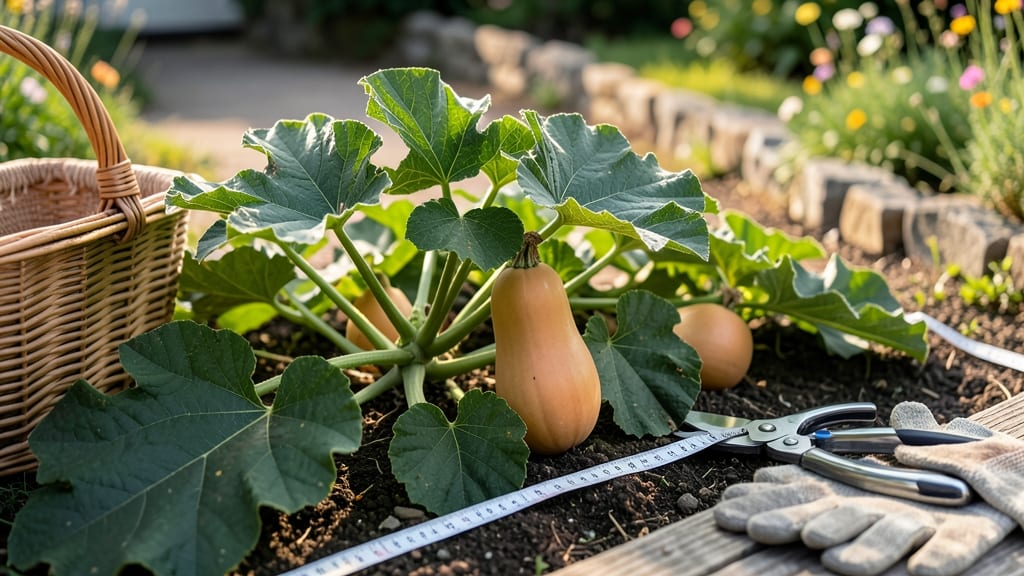
Harvest butternut squash 🎃 when the skin hardens and turns dull yellow, typically 90-120 days after planting—timing this right is the difference between sweet, tender flesh and bitter, stringy disappointment.
Picture this: you’ve spent all summer nurturing your butternut plants, and now the moment of truth arrives. One wrong move, and you’re left with a squash that’s either too tough to cut or too soft to store.
That’s why knowing the exact cues—like a dry stem or a cavity forming at the blossom end—makes all the difference.
Regional variations matter too. In cooler zones like 6a, aim for late October before the first frost hits, while warmer areas can stretch harvests into November. Miss the window, and you risk losing flavor or even the whole crop to cold damage.
Below, I’ll walk you through the 3 visual cues that guarantee perfect sweetness, plus how to store your harvest so it stays fresh through winter. No more guesswork—just foolproof butternut success.
3 Visual cues to identify perfectly ripe butternut squash
Harvesting butternut squash at the perfect moment transforms your garden bounty from bland to exceptionally sweet. The difference between a tough, watery squash and one with creamy, nutty flavor often comes down to these three field-tested visual cues I’ve used for years in my own garden.
Ignoring them means missing out on peak season flavor.
Many gardeners assume butternut squash are ready simply because they’ve reached a certain size—but that’s only half the story. The real magic happens when you combine skin hardness, stem changes, and seed cavity development.
These three signs work together like a checklist to guarantee you’re picking at the absolute sweetest point.
Here’s the numbered breakdown of what to watch for when checking your butternut squash for harvest readiness:
Skin Color Shift
Look for a dull, matte finish instead of shiny skin. The rind should turn from bright tan to a deep golden-beige with no green traces. Press your fingernail into the skin—it should leave no indentation if fully ripe.
Stem Drying Out
The stem where the squash attaches should feel dry and papery rather than fresh and green. If you gently twist it, it should break cleanly rather than bend. This indicates the plant has stopped nourishing the fruit.
Seed Cavity Formation
Cut a small section near the stem to check for a fully developed seed cavity with thick, creamy walls. If the cavity is small or watery, the squash needs more time. This is the sweetness indicator most gardeners overlook!
I remember my first year growing butternut squash—I harvested based on size alone and ended up with watery, stringy flesh. The next season, I paid attention to these three cues and the difference was night-and-day. The skin color shift alone saved me from multiple disappointments.
One common mistake is waiting until the vines completely die back. While this can indicate ripeness, the squash might be overripe and prone to spoilage. Aim to harvest when you see 2 out of 3 cues—this gives you a 2-3 week window before frost risk becomes a concern.
Pro tip: Use a sharp pruning saw to cut the squash from the vine, leaving a 1-inch stem attachment. This prevents rot during storage and makes it easier to handle those 3-5 pound monsters.
Store them in a cool, dry place with good airflow to extend their shelf life.
If you’re in Zone 5 or colder, prioritize the skin hardness cue over stem changes—cold nights can dry stems prematurely while the squash isn’t fully sweet. In warmer climates, the seed cavity development becomes your best friend for determining perfect ripeness.
Remember: One perfect squash beats three mediocre ones. These visual cues have never failed me, and they won’t let you down either. Grab your harvest tools and get checking—your taste buds will thank you!
Butternut squash harvest timeline by growing season
Timing your butternut squash harvest correctly ensures maximum sweetness and flavor. Unlike many vegetables, these squash thrive when left on the vine until fully mature—typically 90-120 days after planting. However, your local climate zone and planting season (spring vs. fall) dramatically shift when you can expect ripe fruit.
In warmer regions like USDA Zone 9-10, fall-planted squash may mature as early as September, while cooler zones like Zone 5-6 often wait until October or November.
Spring-planted butternut squash usually reach harvest readiness between late September and October, aligning with their 90-105 day maturity window. Fall-planted varieties, however, can extend your harvest window into November if planted early enough.
The key is to monitor frost dates—butternut squash can tolerate light frosts but suffer damage if frozen, so harvest before 28°F temperatures arrive.
| Planting Season | Expected Harvest Window | Key Climate Zones | Days to Maturity |
|---|---|---|---|
| Spring (May-June) | Late September - October | Zones 5-8 | 90-105 days |
| Fall (July-August) | October - November | Zones 6-10 | 105-120 days |
| Extended Fall (August-Sept) | November (before frost) | Zones 7-10 | 110-120 days |
Avoid these common growing mistakes that delay harvest: overwatering (which causes blossom-end rot), insufficient sunlight (less than 6 hours daily), and poor soil drainage. I once had a crop stall at maturity because the soil was too compacted—amending with compost and sand fixed it within weeks.
Also, watch for powdery mildew, which weakens vines and slows fruit development.
In northern climates (Zones 3-4), consider using black plastic mulch to extend the growing season by 2-3 weeks and protect squash from early frosts. For southern gardeners (Zones 9-10), focus on shade cloth during peak summer heat to prevent sunscald on developing fruit.
Both strategies help maintain consistent maturity timelines regardless of your location.
Pro tip: Mark your planting dates and track days to maturity on a garden journal. I use a simple whiteboard near my greenhouse to log when I planted each variety—this helps me predict harvest windows with 95% accuracy.
For example, my Waltham Butternut planted June 1st always ripens by October 10th in Zone 6.
Once you spot the first signs of ripeness—hard rind and dry stems—harvest within 3-5 days to avoid overripening. Store squash in a cool, dry place (50-55°F) for up to 3 months to preserve that perfect harvest sweetness you worked so hard to achieve.