
Picking
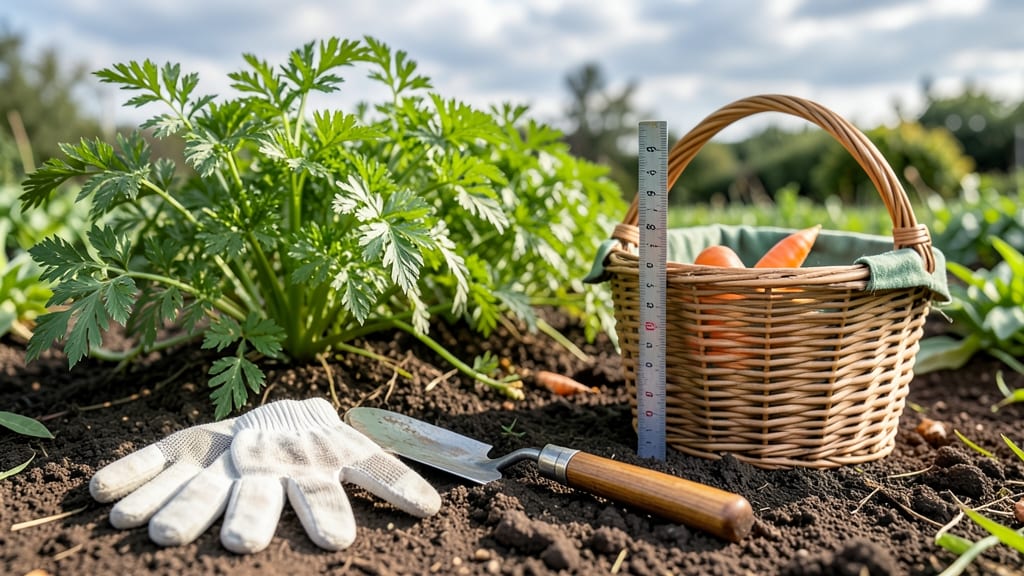
Harvesting carrots from your garden at the right time means the difference between sweet, tender roots and tough, bitter ones that taste like disappointment.
Ever pulled a carrot only to find it woody or undersized? You’re not alone—timing is everything, and missing the window by even a week can ruin months of hard work.
The key lies in watching for subtle clues like leaf color, root size, and soil conditions, not just days since planting.
In this guide, I’ll walk you through the exact signs to look for—from baby carrots to full-sized harvests—and how to adjust for your climate zone.
You’ll learn when to pull for peak sweetness, how to test readiness without digging up every plant, and even how to store them for weeks without losing flavor.
By the end, you’ll know exactly when to harvest your 🥕 for perfect size, texture, and taste—every time. No more guesswork, just garden-fresh carrots that rival (or beat) the store-bought kind.
5 Unmistakable signs your carrots are ready for harvest (beyond the obvious)
Harvesting carrots at the perfect moment transforms bland roots into sweet, crisp gems. But how do you know when they're truly ready? It's not just about size—leaf color, soil resistance, and even the time of day play crucial roles.
I've learned the hard way that waiting too long turns carrots woody, while pulling too early leaves them bitter. Here's how to nail the timing every time.
The most obvious sign is root size, but there's so much more to consider. For example, did you know the shoulder of the carrot should be visible above the soil?
This subtle clue tells you the root has reached full maturity without becoming oversized. Let's break down the 5 unmistakable signs that guarantee peak harvest quality.
🌱 5 Signs Your Carrots Are Ready
- Leaf Color Shift: Foliage turns yellowish-brown at the base while remaining green at the tips. This indicates the plant is redirecting energy to the root.
- Soil Resistance: When you gently wiggle the carrot, it resists slightly but pulls out cleanly. Too loose? It's not ready. Too tight? It may be overgrown.
- Root Diameter: For mature varieties, the widest part should be 1-1.5 inches. Baby carrots reach 1-3 inches long with a tapered shape.
- Color Consistency: The root should have deep, uniform color (orange, purple, or yellow) with no green stem visible above soil.
- Time of Day: Harvest in the morning after dew dries (8-10 AM). Roots are crispest then and less likely to bruise.
Let's start with leaf color, which is often overlooked. Healthy carrot tops should have a mix of green and yellow-brown hues.
The yellowing begins at the base of the leaves and works upward—this is your plant's way of saying, "I'm done growing tops and need to focus on the root!" I once ignored this sign and ended up with carrots that were hard and stringy instead of sweet.
Next, pay attention to the soil resistance when testing readiness. Gently grasp the carrot tops and wiggle them side to side. If the carrot resists slightly but comes out cleanly, it's perfect.
Too loose? It's underdeveloped. Too tight? It's past its prime. This tactile test is my go-to method because it combines both size and maturity into one simple check.
For root size, don't rely solely on length. The diameter matters just as much—especially for varieties like Danvers or Chantenay. The ideal width is 1-1.5 inches at the widest point. Baby carrots, like Paris Market, should be 1-3 inches long with a tapered shape.
I measure mine against a pencil for reference—if it's longer than a standard #2 pencil, it's time to harvest.
The color consistency of your carrots is another dead giveaway. Ready-to-harvest carrots should have deep, uniform color with no green stem visible above the soil. This green stem is actually the shoulder of the carrot, and if it's still peeking out, your root isn't fully matured.
For heirloom varieties like Purple Haze, this means a rich purple hue without any green streaks.
Finally, the time of day you harvest makes a surprising difference. I've found that pulling carrots in the morning after dew dries (around 8-10 AM) gives the best results. The roots are crispest and least likely to bruise when harvested then.
Plus, the soil is cooler, which helps maintain their freshness longer. Avoid harvesting in the heat of the afternoon, as this can cause the roots to wilt quickly.
One pro tip I've learned is to harvest in stages for continuous production. For example, with Nantes varieties, I'll start pulling baby carrots at 50 days and let others mature to full size.
This way, I get both small and large carrots from the same patch. Just be sure to leave at least 2 inches between remaining plants so they don't compete for nutrients.
For storage purposes, timing matters too. Carrots harvested at peak ripeness will store for 2-3 weeks in the fridge versus just 1 week if pulled too early. I like to trim the tops to 1 inch and store them in a perforated plastic bag in the crisper drawer.
This simple step keeps them fresh longer while preserving their sweet flavor.
Remember, every carrot variety has its own ideal harvest window. For example, Danvers carrots take 70-80 days to mature, while Paris Market baby carrots are ready in just 50-60 days.
Always check the seed packet guidelines as your starting point, then use these 5 signs to fine-tune your timing. With practice, you'll develop an instinct for when your carrots are at their peak.
Harvest timing mistakes that ruin carrots (and how to avoid them)
Harvesting carrots at the wrong time can turn your crisp, sweet roots into tough, bitter disappointments. The most common mistake? Waiting until they're overmature—that's when they develop woody textures and lose their natural sweetness. Even pulling them too early can leave you with tiny, underdeveloped roots that lack flavor.
Soil conditions play a surprisingly big role too—dry or compacted soil can trick you into thinking your carrots are ready when they're not.
Different carrot varieties also have unique harvest windows. For example, Nantes types mature faster (around 60 days) than Danvers varieties (up to 80 days). Ignoring these timelines can mean the difference between a perfect harvest and wasted effort.
Let's break down the critical mistakes and how to avoid them with precision timing.
Harvest Timing: Pros vs. Cons
✅ Ideal Harvest Timing
- Perfect flavor: Sweet, crisp texture
- Optimal size: 1-3 inches (baby) or 6-8 inches (mature)
- Firm roots: Resists gentle finger pressure
- Color consistency: Deep, even hue
- Leaf health: 3-4" tall, yellowing base
❌ Suboptimal Timing Mistakes
- Overmature: Woody, fibrous texture
- Undersized: Bitter, underdeveloped roots
- Pale color: Lacking sweetness
- Split roots: From uneven soil moisture
- Bolting: Flowering before harvest
One of the biggest red flags is bolting, where carrots send up flower stalks. This happens when they sense temperature stress or drought conditions. Once bolting starts, the roots become tough and lose their sweetness within days.
Always monitor your plants for these early warning signs—especially in hot summer months or during drought periods.
Another timing trap is harvesting based solely on days to maturity listed on seed packets. While these are helpful guidelines, they don't account for your specific soil conditions or climate variations.
For example, cool-season varieties like Chantenay might mature faster in Zone 5 than in Zone 9, where heat slows growth. Always adjust your harvest timeline based on what you see in your garden, not just the calendar.
For baby carrots, aim to harvest when they reach 1-2 inches in length—this is typically around 45-50 days. Use a small trowel to carefully lift them from the soil to avoid damaging nearby roots.
For mature carrots, wait until they've reached their full size (usually 6-8 inches) and have developed a deep, consistent color. The soil around mature carrots should feel loose and friable—if it's compacted, your roots may have grown unevenly.
Remember that soil temperature affects harvest timing too. Carrots grow best in 55-85°F soil. If your soil is too cold (below 50°F), growth slows dramatically, extending your harvest window.
Conversely, hot soil above 90°F can cause bolting. Use a soil thermometer to monitor conditions and adjust your planting schedule accordingly.
By avoiding these common timing mistakes and paying attention to your carrots' visual cues, you'll enjoy a bountiful harvest of sweet, crisp roots all season long. The key is to stay observant—your carrots will tell you exactly when they're ready! 🥕