
How To
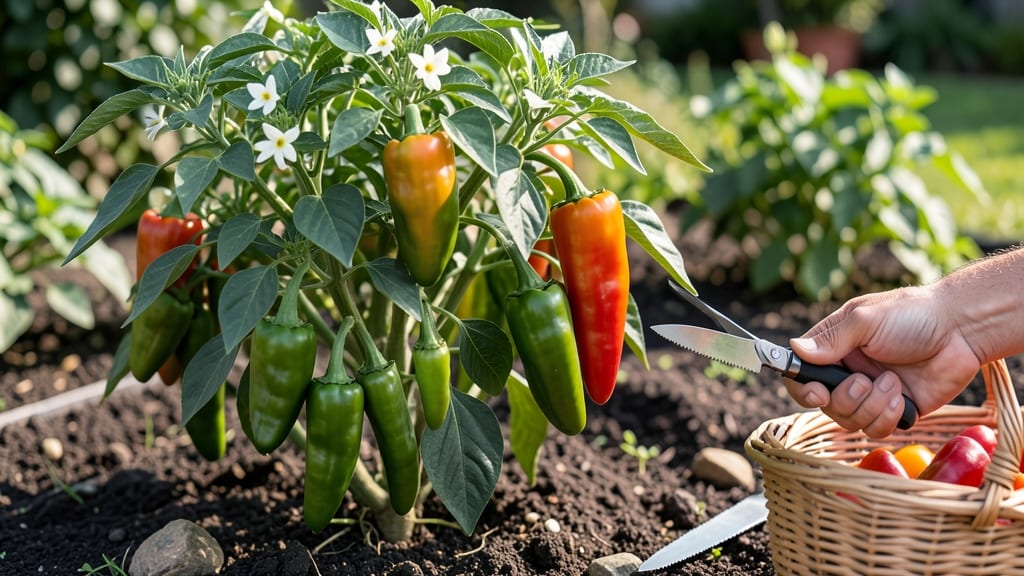
Harvesting Cowhorn peppers at the right time unlocks their full explosive heat and rich flavor—so timing is everything.
Picture this: you’ve nurtured your 🌶️ Cowhorn Pepper all season, and now it’s time to decide—pull it too soon, and you’ll miss the peak. Wait too long, and the heat fades. The difference between a mild disappointment and a fiery victory comes down to a few simple cues.
First, watch for the color shift from green to deep red, yellow, or orange—your pepper’s way of signaling it’s ready. Then, give it a gentle twist: if it detaches cleanly, it’s time to harvest.
But here’s the kicker: climate plays a role too. Hot summers speed up ripening, while cooler zones might need a little extra patience.
Below, I’ll walk you through the exact visual cues, the stem twist test, and how to adjust for your local climate—so you can harvest your Cowhorn peppers at their absolute peak.
How to identify Cowhorn pepper ripeness using color and stem tests
Harvesting Cowhorn peppers at the right moment ensures maximum heat intensity and flavor depth. These peppers go through a dramatic color transformation—from green to vibrant red, orange, or yellow—signaling their readiness. Unlike bell peppers, Cowhorns retain their spicy kick even when fully ripe, so timing is everything.
I’ve learned the hard way that harvesting too early means milder heat and underdeveloped flavor, while waiting too long can lead to overripe peppers that become soft or bitter. The key is combining visual cues with a simple stem test to nail the perfect harvest window.
| Stage | Color | Size | Stem Test | Heat Level |
|---|---|---|---|---|
| Immature | Green | <3 inches | Firmly attached | Mild (0-5,000 SHU) |
| Developing | Green with color patches | 3-4 inches | Slightly loose | Medium (10,000-30,000 SHU) |
| Mature (Peak) | Deep red/orange/yellow | 4-6 inches | Twists off easily | High (50,000-100,000+ SHU) |
| Overripe | Dull, faded color | >6 inches | Detaches too easily | Bitter, reduced heat |
The color progression is your first clue. Cowhorn peppers start green and gradually shift to their mature hue—deep red, orange, or yellow, depending on the variety. Pay close attention to uniformity; if the pepper still has green patches, it’s not ready.
I’ve found that red Cowhorns often pack the most heat, but orange and yellow varieties can be just as fiery.
Next, perform the stem twist test, which is foolproof. Gently grasp the pepper near its stem and twist it sideways. If it detaches cleanly with a slight popping sound, it’s ready to harvest.
If the pepper resists, give it another 5-7 days to mature. This test works because a ripe pepper’s cell structure weakens naturally, making separation effortless.
Size matters too—aim for 4-6 inches in length. Smaller peppers (under 3 inches) are underdeveloped and lack full flavor. I’ve noticed that larger-than-average Cowhorns (over 6 inches) can become woody or bitter, so don’t let them linger on the plant.
Use a measuring tape or ruler to track growth if you’re unsure.
Environmental factors like temperature and sunlight can speed up or slow down ripening. In hot climates (USDA Zone 9+), Cowhorns may ripen faster—sometimes in as few as 70 days.
In cooler zones (like Zone 7), they might take 90 days or longer. Always adjust your harvest timeline based on your local growing conditions.
One pro tip I’ve picked up from fellow pepper enthusiasts: Harvest in the morning when temperatures are cooler. This reduces stress on the plant and ensures the peppers stay firm and vibrant. Avoid harvesting after heavy rain, as wet peppers are more prone to rot or disease.
Finally, don’t ignore the skin texture. A ripe Cowhorn pepper should feel firm and slightly glossy, not wrinkled or leathery. If the skin feels dry or papery, the pepper has overripe.
I’ve ruined a few batches by waiting too long—now I mark my calendar 75-90 days after transplanting as my harvest window.
Mastering these cues will transform your Cowhorn pepper harvest from hit-or-miss to consistently bold. Once you’ve nailed the timing, you’re ready to explore drying, fermenting, or preserving these fiery gems for year-round heat. Happy harvesting! 🌶️🌱
Common harvesting mistakes that ruin Cowhorn peppers (and how to avoid them)
Harvesting Cowhorn peppers at the wrong time can turn your fiery rewards into bitter disappointment. Many gardeners accidentally pluck them too early, missing the peak heat and flavor these peppers are famous for.
The difference between a mild disappointment and a spicy triumph often comes down to timing—and avoiding these common pitfalls.
One of the biggest mistakes is ignoring the color shift from green to their mature hue. Cowhorn peppers can range from deep red to vibrant yellow, but waiting for that full color is crucial.
Harvesting too soon means underdeveloped capsaicin, the compound that gives them their legendary heat. Even experienced growers sometimes rush and pick peppers that are still firm but haven’t reached their optimal ripeness.
⚠️ callout warning ⚠️
⚠️ Critical Harvesting Mistake: Picking Too Early
Harvesting Cowhorn peppers when they're still green or partially colored (under 3 inches) robs you of their full heat potential. These peppers need 75-90 days to mature—don’t rush the process!
Fix: Wait until peppers are 4-6 inches long, firm to touch, and show consistent color (no green patches). Use the stem twist test—if it detaches easily, it’s ready!
Another frequent error is overlooking environmental stress signals. If your Cowhorn peppers start showing signs of wilting, yellowing, or cracking, it might be too late to save them—but it’s also a sign you’ve missed the harvest window.
Extreme heat or drought can accelerate ripening, so keep an eye on your plants during peak summer months when conditions can change rapidly.
Even if you’ve nailed the color and size, harvesting at the wrong time of day can affect flavor and shelf life. Morning harvests are ideal because the peppers are cooler and firmer, reducing bruising.
Avoid picking in the heat of the afternoon, when peppers are more prone to softening or splitting—a common mistake that leads to wasted produce.
Don’t forget about post-harvest care either. Leaving mature peppers on the vine too long can lead to overripening, which dulls their heat and makes them prone to pests. Once harvested, store them in a cool, dry place (like a mesh bag) to maintain freshness.
If you’re drying them, wait until they’re fully ripe—underripe peppers won’t develop the complex flavors you’re after.
By avoiding these mistakes, you’ll ensure your Cowhorn peppers deliver the bold heat and rich flavor they’re known for. Pay attention to color, size, and firmness, and you’ll be rewarded with peppers that pack a punch—literally! 🌶️