
Picking
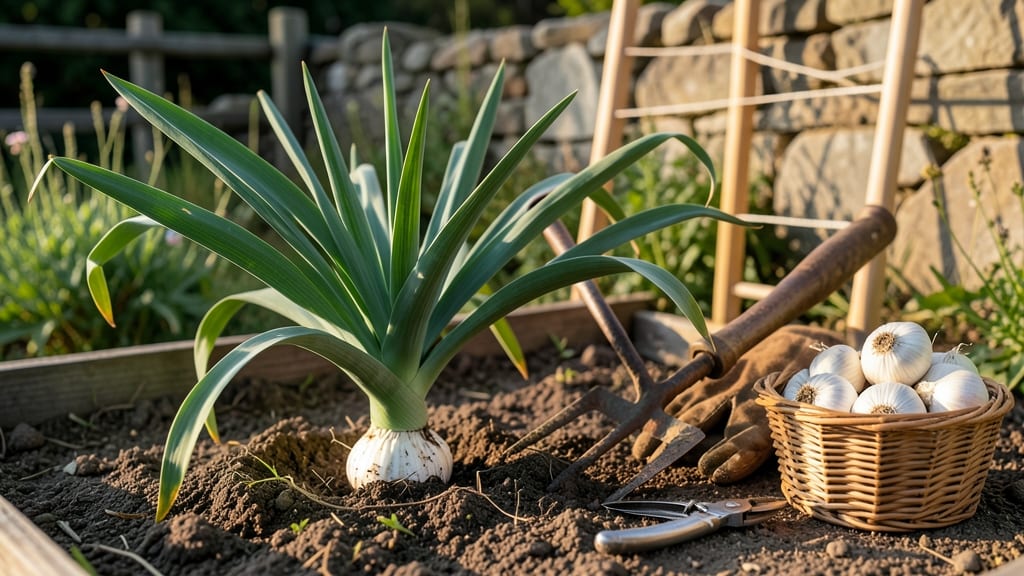
Harvesting garlic in Michigan at the right time ensures perfect, plump bulbs instead of shriveled or split ones — and it all comes down to frost cues and leaf signals most gardeners miss.
If you’ve ever pulled up garlic too early and found small, underdeveloped bulbs or waited too long and watched them rot in the soil, you’re not alone. The 5b-6b climate here means timing is everything: a hard frost triggers maturity, but the wrong move ruins months of work.
Look for brown bottom leaves and a papery white skin around the cloves — these are your green lights. But don’t wait until the stems flop over, or you’ll risk moldy storage.
The window between late July and early August is your best shot, when the soil starts drying and the lower leaves crisp.
Below, I’ll walk you through the exact cues to watch for, how to test bulb readiness, and why Michigan’s frost patterns make this year’s harvest your best yet.
How Michigan’s frost and soil signals determine garlic harvest time
Michigan’s hard frost and soil drying are your garlic’s secret signals for harvest time. Unlike warmer climates, our USDA Zones 5b-6b demand precision—harvest too early, and bulbs won’t store well; wait too long, and they’ll split or rot.
The key is watching for brown stems and dry bottom leaves, which usually appear in late July to early August, just before the first frost. These cues tell you the bulbs have fully matured underground.
Don’t rely solely on the calendar. Michigan’s first frost typically hits in mid-October, but garlic should be harvested 4-6 weeks before that date. The soil temperature dropping below 50°F (10°C) triggers bulb maturation, but you’ll see it first in the plant’s foliage changes.
Pay attention to when 50-60% of leaves turn brown—this is your harvest window opening.
Here’s the critical visual checklist for Michigan gardeners:
- Lower leaves turn straw-colored and dry
- Bulbs feel firm and heavy when dug
- Stems snap easily when bent (not mushy)
- Papery skins form around cloves
| Signal | What It Means | Action |
|---|---|---|
| Lower leaves brown | Bulbs maturing underground | Monitor for 2-3 weeks |
| 50-60% leaves dry | Peak harvest readiness | Harvest within 1 week |
| Stems snap easily | Bulbs fully developed | Harvest immediately |
| Soil temp <50°F | Frost approaching | Harvest before frost |
| Green leaves remain | Bulbs underdeveloped | Wait 1-2 weeks |
Test bulb readiness by digging up one plant and peeling back the soil. If the bulb is fully rounded and cloves are separated but still wrapped in papery skins, it’s time. Michigan’s hardneck varieties (like ‘German White’ or ‘Music’) mature faster than softnecks, so adjust your timeline accordingly.
Pro tip: Use a garden fork to lift bulbs gently—avoid cutting stems, as this helps with curing.
Timing is everything in Michigan’s variable climate. If you miss the window, bulbs may sprout prematurely or split from frost heaving. The ideal harvest window is when 60% of stems turn brown but before all leaves die back.
This usually falls in late July to early August, but soil conditions (not the calendar) dictate the exact date.
Never harvest after a hard frost—this damages bulbs and reduces storage life. Instead, watch for soil drying (it should feel crumbly, not wet) and stem browning. These are your Michigan-specific cues that the bulbs are ready.
Once harvested, trim stems to 2 inches and cure in a dry, shaded spot for 2-3 weeks to prevent mold.
One common mistake? Harvesting based on leaf color alone. While brown leaves signal maturity, bulb firmness is the true test. Dig up a sample bulb—if it’s soft or shriveled, wait another week.
If it’s firm and papery, you’ve nailed the timing. Michigan’s short growing season means every day counts!
For hardneck varieties, aim to harvest 240-300 days after planting. Softnecks take slightly longer, up to 300 days. Use a gardening journal to track your garlic’s progress—note when leaves brown and soil dries.
Over time, you’ll predict harvest time with Michigan precision. Just remember: frost is your deadline, not your trigger.
When in doubt, harvest early. Bulbs left too long in the ground become overmature, leading to split cloves and poor storage. Cured properly, your Michigan-grown garlic will last 6-8 months—long enough to savor homegrown flavor through winter.
Now grab that fork and let the frost signals guide you!
Step-by-step guide to harvesting garlic in Michigan (with common mistakes to avoid)
Once your garlic plants show those telltale signs of maturity—brown lower leaves and papery skins—you’re ready to harvest. Michigan’s cool nights and warm days create perfect conditions, but timing is everything.
Harvest too soon, and you’ll get small, weak bulbs. Wait too long, and they’ll split or sprout. Let’s break down the exact steps to ensure your garlic stores beautifully all winter.
Gather your tools first: a sharp garden fork, pruning shears, and a clean, dry workspace. Michigan’s humid summers mean proper curing is non-negotiable—wet bulbs rot faster than you can say "garlic bread."
Avoid the common mistake of harvesting on a rainy day; damp soil and bulbs slow drying and invite mold. Your goal is to lift, trim, and dry garlic within 24 hours of harvest.
Harvest garlic 3-5 days after 50% of lower leaves turn brown—this is your 1-week frost buffer. In Michigan’s USDA Zones 5b-6b, aim for late July to early August for hardneck varieties.
Softneck types may need a 2-week extension into early September. Waiting for a hard frost (28°F or below) is a rookie mistake—it damages bulbs and speeds up spoilage.
Start by loosening the soil around the garlic plants with a fork, lifting them gently to avoid bruising. Shake off excess dirt, but don’t wash the bulbs—this removes protective skins. Trim the foliage to 1-2 inches above the bulb using clean shears; leaving too much stem attracts pests.
Discard any bulbs with soft spots or mold immediately. These are your early warning signs of improper storage ahead.
Next, cure your garlic in a dry, shaded, and well-ventilated area for 2-4 weeks. Michigan’s humidity levels can make this tricky, so avoid basements or garages. Instead, use a screened porch or open shed with airflow.
Turn bulbs daily for even drying. If you rush this step—say, by using a dehydrator or oven—you’ll end up with shriveled cloves that store poorly. Patience here pays off with plump, papery-skinned bulbs.
Once fully cured, your garlic should have tight, dry skins and feel light but firm when held. Braid hardneck varieties for storage, but leave softneck bulbs whole. Store them in a cool (50-60°F), dark, and dry place with good airflow.
A mesh bag or paper sack works better than plastic, which traps moisture. Check monthly for sprouting or mold—these are red flags you harvested too late or cured improperly.
Pro tip: Label your garlic by variety and harvest date to track freshness. Michigan-grown garlic stored properly can last 6-12 months, but hardnecks (like ‘German White’) typically store 3-4 months longer than softnecks.
If you notice sprouting cloves in January, it’s time to use them up—this is your cue to replant for next year’s crop! 🧄