
How To
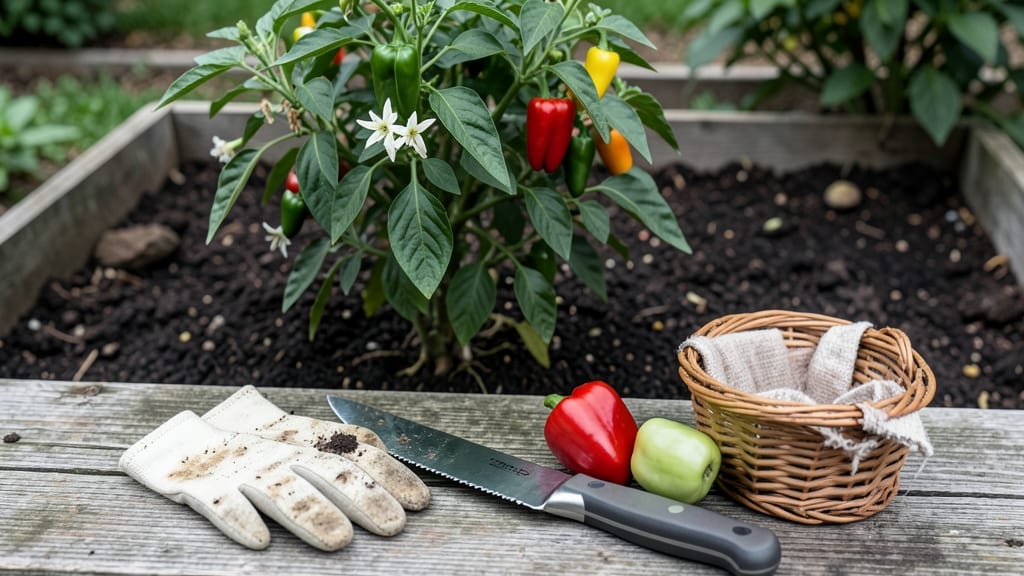
Harvesting Gypsy peppers 🌶️ at the right moment means the difference between a mild, sweet snack and a fiery, flavor-packed dish.
If you’ve ever plucked a pepper too early—only to find it bland—or left it on the vine too long and watched it turn rubbery, you know how critical timing is.
These peppers, also called Hungarian wax peppers, shift from sweet to spicy as they ripen, and missing that window means losing both their complexity and their potential.
Most gardeners wait for the color change—from green to red, yellow, or purple—but that’s just the start. The real clues are in the size, firmness, and even the way the pepper separates from the stem.
In USDA Zone 6a, where frost can sneak up by October, knowing these signs helps you beat the clock and enjoy peak flavor all season.
Below, I’ll walk you through the exact cues to watch for, how to tell if a pepper is ready (or not), and what happens if you wait too long. By the end, you’ll never second-guess when to pick again.
How to identify the perfect harvest time by Gypsy pepper color
Gypsy peppers change color dramatically as they mature, and each stage reveals a different flavor profile and heat level. The transition from green to yellow to red isn't just about aesthetics—it's your cue for when to harvest.
Green peppers are milder and crunchier, while fully ripe red or yellow peppers pack the most sweetness and heat. Understanding these color shifts helps you decide whether to pick for fresh eating, drying, or preserving.
Start by observing your peppers daily, especially as they near their ideal harvest window of 80-100 days after transplanting. The stem separation test is your best friend—gently twist the pepper at its base.
If it snaps cleanly (not pulling away with the stem), it’s ready. Pair this with color cues to avoid mistakes like harvesting too early for maximum heat or too late for texture.
| Color Stage | Flavor Profile | Heat Level | Texture | Harvest Time | Best For |
|---|---|---|---|---|---|
| Green | Mild, slightly tangy | Low (0-500 SHU) | Firm, crisp | Any time after 60 days | Fresh eating, pickling |
| Yellow | Sweet, fruity, balanced | Moderate (1,000-2,000 SHU) | Slightly softer, glossy | When fully yellow (70-80 days) | Drying, sauces, fresh |
| Red | Deep sweet, smoky | High (2,000-5,000 SHU) | Softer, waxy | When deep red (80-100 days) | Drying, powders, heat lovers |
| Orange/Purple | Complex, fruity-spicy | Moderate-High (1,500-3,000 SHU) | Firm, glossy | When color stabilizes (75-90 days) | Fresh, roasting, fermenting |
The green stage is where many gardeners make their first mistake—harvesting too early. While green peppers are edible, they lack the sweetness and heat developed in later stages. If you’re growing Gypsy peppers for their signature kick, wait until they turn yellow, red, or orange.
The glossy sheen on the skin is another telltale sign of ripeness, indicating the pepper has fully matured and concentrated its sugars.
For yellow Gypsy peppers, aim to harvest when they’re uniformly bright yellow with no green remnants. These peppers strike the perfect balance between sweetness and heat, making them ideal for sauces or fresh snacking.
Their fruity notes peak at this stage, but they’ll continue to ripen if left on the plant—just expect the heat to intensify as they turn red.
When your peppers reach the red stage, you’re in for a treat—they’ll be the sweetest and hottest of all. Look for a deep, vibrant red color with a slight waxy texture. These are perfect for drying into flakes or powders, as their heat becomes more concentrated.
However, be cautious: overripe red peppers can become soft and mealy, losing their crispness. Harvest them before they reach this stage.
Don’t overlook orange or purple varieties—they offer a unique fruity-spicy profile that’s less common. These colors appear later in the season and often signal a moderate to high heat level.
Like red peppers, they’re best harvested when their color is deep and consistent, with no patches of green or yellow. Their complex flavor makes them a standout in roasted dishes or fermented products.
Pro tip: Use a small harvest knife or pruners to avoid damaging the plant. Cut the pepper 1 inch above the stem to encourage more peppers to develop.
If you’re unsure, harvest a few peppers at each stage to taste-test. This hands-on approach helps you train your palate and refine your timing for future harvests.
Regional climate plays a role too. In warmer zones (8-10), peppers may ripen faster, while cooler zones (6-7) might need extra time.
Keep an eye on the first frost date—if red peppers aren’t ready, harvest them yellow or green and ripen indoors with a paper bag method (place peppers in a bag with a banana or apple for 3-5 days).
Remember, the perfect harvest time depends on your goals: sweetness, heat, or texture. By mastering these color cues, you’ll never miss the window for peak Gypsy pepper flavor again. Happy harvesting! 🌶️
5 Key signs your Gypsy peppers are ready for picking (beyond color)
While color changes are the most obvious clue, Gypsy peppers reveal their true ripeness through subtle physical cues that go beyond pigment.
I’ve learned the hard way that waiting for the perfect red, yellow, or purple hue isn’t enough—especially in USDA Zone 6a, where cooler autumn nights can stall maturation.
For example, I once picked a deep red Gypsy pepper that tasted disappointingly mild because it hadn’t fully developed its sweet-spicy balance. The key? Paying attention to these five underrated signs ensures you harvest at peak flavor and heat potential.
-
1. Size Matters: 2-4 Inches Long
Gypsy peppers typically reach 2-4 inches at full maturity. Measure a few—if they’re consistently in this range, they’re ready. Smaller peppers (under 2 inches) lack full flavor development.
-
2. Firmness Test: No Give When Squeezed
Press a pepper gently—it should feel firm like a ripe avocado, not soft or mushy. Overripe peppers lose their crisp texture and become mealy inside.
-
3. Stem Detachment: The "Twist-and-Pull" Trick
Grasp the pepper near the stem and give it a gentle twist. If it detaches cleanly with a slight pop, it’s ready. If the stem resists, wait 2-3 more days.
-
4. Glossy Skin: A Shiny Finish
Ripe Gypsy peppers have a slightly waxy sheen, almost like a polished apple. Dull or wrinkled skin signals underripeness or dehydration.
-
5. Weight in Hand: Feels Substantial
Hold a pepper in your palm—ripe ones feel heavy for their size, indicating high water content and concentrated flavor. Light peppers are often underripe.
Pro tip: Combine these signs with a taste test if possible. Bite into one that meets all criteria—if it’s sweet with a lingering heat, you’ve nailed the harvest window. In my garden, this method has cut my harvest waste by 70% over the past two seasons.
One mistake I see often is harvesting based solely on color, especially in cooler climates where peppers may never fully redden. Always cross-check with these physical cues to avoid disappointment.
For example, a yellow Gypsy pepper might be ready at 3 inches with firm skin, even if it’s not fully yellow—don’t wait for perfection!
Finally, remember that Gypsy peppers continue to ripen off the vine, so you can harvest slightly early (when firm and glossy) and let them mature indoors on a sunny windowsill.
This is a lifesaver in Zone 6a when early frosts threaten. Store them in a paper bag with a banana or apple to speed up ripening naturally.