
How To
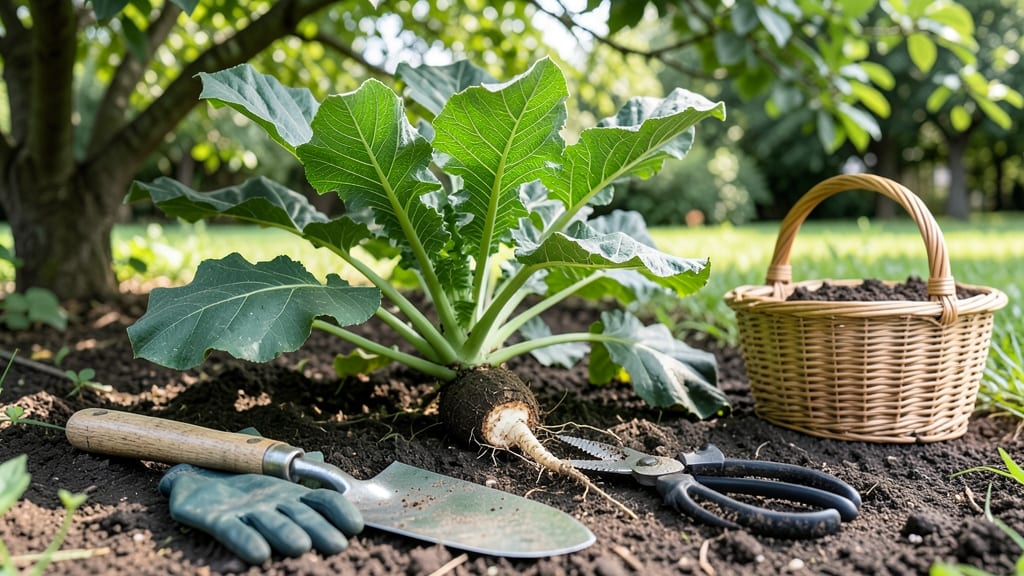
Harvesting horseradish root at the right time ensures a bold, fiery flavor that lasts all winter—but timing it wrong means bland roots or wasted effort.
You could dig up a root in October and think you’ve won, only to find it’s still too mild or woody. The key? Waiting until the foliage turns yellow and the roots reach 1-2 inches thick—a tactile test that guarantees peak pungency.
In USDA Zone 6a, where I grow mine, the ideal harvest window is late fall to early winter, but soil temperature and leaf color are the real indicators. I’ll show you how to check readiness without even touching the root—plus how to store your harvest for maximum heat.
Skip the guesswork: learn the three simple tests that reveal when your horseradish is finally ready to dig, so you never waste another season on underripe roots.
3 Tactile tests to determine horseradish root harvest readiness
Harvesting horseradish at the right time ensures a bold, pungent flavor and prevents wasted effort. Unlike many vegetables, you don’t need to dig up the entire root to check its readiness—just use these three simple tactile tests to assess maturity from above ground.
These methods let you confirm peak harvest time without disturbing the plant prematurely.
Horseradish roots develop best when given full growing season to mature, typically requiring 12-24 months from planting. However, these tactile checks work even for first-year plants to determine if they’ve reached a harvestable size.
The key is focusing on leaf color, stem flexibility, and subtle changes in the foliage that signal root development below.
🌱 3 Tactile Tests for Horseradish Harvest Readiness
- 1. Leaf Color Shift: Press a mature leaf gently—if it turns yellow or brown at the edges, roots are ready. Healthy green leaves mean wait 4-6 weeks.
- 2. Stem Flexibility Test: Bend a main stem—if it snaps easily, roots are firm and flavorful. A bendy stem signals underdevelopment.
- 3. Soil Surface Check: Part the topsoil gently—if you see 1-2 inch thick roots near the surface, they’re harvest-ready. Thin, stringy roots need more time.
Start with the leaf color test in late summer, as horseradish foliage naturally begins to yellow as roots mature. This is your first clue that the plant is shifting energy underground.
For example, if you notice 50% of leaves turning yellow by mid-September, it’s time to monitor the stems closely.
The stem flexibility test is especially useful for distinguishing between first-year and second-year plants. Younger horseradish stems are woody and resistant, while mature stems (ready for harvest) feel dry and brittle. Snap a stem—if it breaks cleanly, the root below is likely fully developed and packed with pungency.
For a non-invasive check, use the soil surface test after a light rain when the soil is loose. Gently push aside the top 1-2 inches of soil near the plant’s base.
If you spot thick, white roots (about pencil-sized or larger), they’re ready. Thin, hair-like roots mean the plant needs at least 4 more weeks of growth.
Timing these tests correctly prevents over-mature roots, which can become woody and lose flavor. For instance, if you test in October and find roots are still thin, wait until first frost (when foliage dies back completely) before harvesting.
This ensures maximum sinigrin content, the compound responsible for horseradish’s signature heat.
Pro tip: Combine these tests with seasonal cues. In USDA Zone 6a (like much of the Midwest), aim to harvest by late November before hard frosts set in.
In warmer zones (like Zone 8), you can extend harvesting into December or even early spring, but flavor peaks in fall.
Remember, horseradish roots regrow after harvest, so you can test and harvest in stages. If you find only partial maturity in your first check, mark the plant and retest in 2-3 weeks. This staggered approach lets you harvest multiple crops per season without exhausting the root.
Once you’ve confirmed readiness using these tests, dig carefully with a fork or spade, leaving a 2-inch root stub to encourage regrowth. Store harvested roots in moist sand in a cool, dark place—they’ll keep for months and regrow when replanted!
🌿
Optimal harvest timing by season: when to dig for maximum pungency
Horseradish roots develop their signature heat over time, but seasonal timing determines whether you get a fiery harvest or a bland disappointment. In my Zone 6a garden, I’ve learned that fall harvests yield the most pungent roots—when soil temperatures drop below 60°F and foliage begins yellowing.
This timing ensures the roots have stored enough energy for winter storage and maximum flavor.
Spring harvests are possible but risk softer, less flavorful roots since the plant hasn’t fully matured. The key difference? Fall roots develop thicker skins and deeper heat, while spring roots often feel woody and lack punch.
I always wait until after the first frost—around late October in my area—to guarantee peak quality.
| Season | Ideal Harvest Window | Soil Temp (°F) | Root Size | Flavor Note |
|---|---|---|---|---|
| Fall | Late October–December | 40–60°F | 1.5–2" diameter | Bold, fiery |
| Spring | April–May | 50–65°F | 1–1.5" diameter | Mild, woody |
| Year-Round (Zones 8+) | Any season | 55–75°F | 1.5–2.5" | Moderate heat |
Climate zones shift these timelines dramatically. In warmer zones (8+), horseradish can be harvested year-round, but flavor peaks in cooler months when growth slows. I’ve seen gardeners in Zone 9 harvest in January for the best results—just avoid digging when soil is waterlogged or frozen.
One trick I use? Monitor the stem flexibility. When stems bend easily (not snap) and leaves yellow uniformly, it’s time to dig. This method works even if your zone’s frost dates are unpredictable. For storage, I always cure roots in a cool, dark place for 2 weeks before using.
Pro tip: If your roots feel too soft after harvest, they weren’t ready. Wait another 2–4 weeks and check again. Patience pays off with roots that pack a punch all winter long.
🌿