
How To
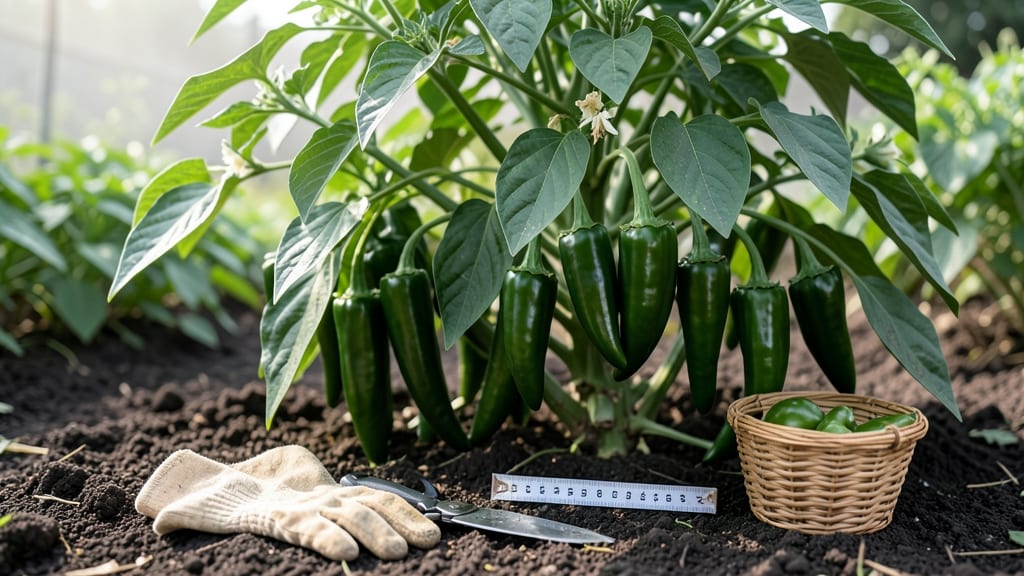
Harvesting your Mammoth Jalapeño 🌶️ at the right moment means the difference between a fiery, flavor-packed pepper and one that’s bland or overripe.
Picking too early robs you of heat and size, while waiting too long risks soft, seedy peppers that lose their punch. The key? Knowing when the color deepens, the skin yields just enough, and the stem snaps cleanly—all signs your peppers are at their peak.
In this guide, I’ll walk you through three tactile tests to nail the perfect harvest window, plus how regional frost dates and heat waves can shift your timeline.
Whether you’re growing in Zone 6 or further south, these cues will help you time your pick for maximum heat, size, and shelf life.
3 Tactile tests to determine mammoth jalapeño harvest readiness
Harvesting your mammoth jalapeños at the perfect moment ensures maximum heat intensity and fruit size. Unlike smaller peppers, these giants need precise timing—wait too long, and you lose flavor; pick too early, and you sacrifice explosive spice.
The key lies in three simple tactile tests that combine visual cues with hands-on checks.
First, understand that mammoth jalapeños mature slower than standard varieties, often taking 75-90 days to reach peak ripeness. This extra time allows them to develop their signature bold flavor and thick walls. But don’t rely solely on days—use these physical tests to confirm readiness before you harvest.
- The Size Benchmark
- The Firmness Test
- The Stem Separation
Pro tip: Harvest in the morning when peppers are cool and firm. Use clean pruners or sharp scissors to avoid damaging the plant. For maximum yield, pick peppers every 2-3 days—this encourages more production and prevents overripening.
If you’re growing for heat preservation, harvest when peppers are fully colored but still firm. For milder flavors, you can pick them slightly earlier (3 inches long) and let them ripen indoors. Just remember: size matters—smaller mammoth jalapeños pack less punch!
One common mistake is waiting until peppers turn red or yellow before harvesting. While these colors indicate full ripeness, the heat peaks earlier—often when peppers are still deep green. Test a few at different stages to find your preferred balance of spice and size.
For container growers, check peppers more frequently since space constraints can accelerate ripening. If your mammoth jalapeños are growing in limited soil, they may mature faster—monitor closely to avoid missing the harvest window.
Finally, store freshly harvested peppers in a cool, dark place (50-55°F) for up to 2 weeks. For long-term storage, ferment them into jalapeño peppers or dry them whole. Proper timing now ensures you’ll have bold, flavorful peppers all season long.
Heat & size differences: when to pick for mild vs. spicy mammoth jalapeños
Your Mammoth Jalapeños are ready to harvest when they hit the sweet spot between size and heat, but timing makes all the difference. The longer they stay on the plant, the hotter they become—but also the larger and more flavorful.
For mild peppers, I pick them early at 3-4 inches with a dark green hue, while spicy varieties develop their signature kick when they turn red or yellow and reach 5+ inches. Understanding these stages helps you balance Scoville heat with fruit size for the perfect harvest.
Harvesting too early means smaller peppers with milder heat, while waiting too long risks overripe fruit that loses flavor and becomes rubbery.
The key is monitoring color changes, firmness, and stem separation—each signal tells you whether your pepper is ready for immediate use, storage, or drying.
Below, I’ve broken down the stages so you can decide when to pick for the best heat profile and yield.
For mild peppers, I harvest at the mature green stage (3-4 inches) when the skin is firm but yields slightly under gentle pressure. This ensures you get the largest peppers with a balanced heat—ideal for stuffing or grilling.
If you’re growing a spicy variety, wait until the pepper turns red or yellow and reaches 5+ inches for maximum Scoville heat and complex flavor. Just be mindful of frost risk—if temperatures drop, harvest earlier to avoid damage.
Pro tip: Use a sharp knife or pruners to cut peppers 1 inch above the stem to