
How To
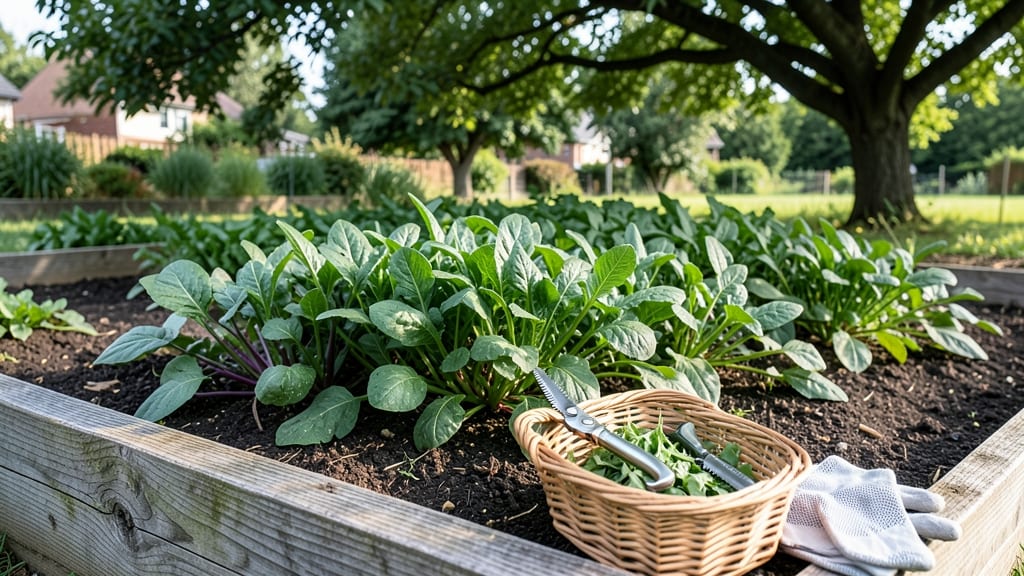
Harvesting mustard greens at the right time turns your garden into a nutrient-packed powerhouse—before they bolt into bitter, woody stalks.
Mustard greens are one of the fastest-growing, nutrient-packed leafy greens—but harvesting them at the wrong time can turn your crisp, peppery harvest into bitter, tough bolts. Timing is everything, and missing these key visual cues could mean losing your entire crop.
Look for leaves that are 4-6 inches long and dark green with vibrant edges—those are your prime harvest windows in May-June or September-October.
In this guide, you’ll learn how to spot the perfect moment, avoid bolting, and even extend your harvest season with the right techniques.
How to identify mustard greens ready for harvest by leaf color & size
Harvesting mustard greens at the perfect moment transforms your garden into a nutrient-rich treasure trove. The key lies in watching for leaf size and color shifts—two visual cues that tell you exactly when to act.
Most gardeners miss the window because they focus on age rather than these physical maturity indicators. Let’s break down what to look for and when to avoid waiting too long.
Your ideal harvest window opens when leaves reach 4-6 inches long—this is the sweet spot for tenderness and flavor. Smaller leaves may still be too mild, while larger ones risk becoming bitter or woody.
Pay attention to the leaf edges, too: vibrant deep green centers with purple-red veins signal peak maturity. These color shifts are your green light to harvest.
Here’s the summary table of mustard greens’ visual maturity cues—your quick-reference guide for perfect timing:
One common mistake is confusing variegated varieties (like ‘Florida Broadleaf’) with over-mature greens. These cultivars naturally have white or yellow streaks—don’t wait for them to turn fully green. Instead, harvest when their dark green areas reach 4-6 inches.
Another pitfall? Ignoring the inner leaves. While outer leaves mature first, the younger inner leaves stay tender longer, giving you a staggered harvest.
If your mustard greens develop purple stems or yellow flowers, they’re bolting—a sign you’ve waited too long. Bolting makes leaves bitter and tough, so harvest immediately if you see these signs.
To prevent bolting, avoid heat stress (keep soil moist) and overcrowding (thin seedlings to 6 inches apart). These precautions buy you 2-3 extra weeks of harvestable greens.
For cut-and-come-again harvesting, snip leaves 1 inch above the soil to encourage regrowth. This method works best with younger plants (under 6 weeks old). Older plants may not regenerate well, so switch to full harvest (pull entire plants) once they’re past their prime.
Always use clean, sharp scissors to avoid damaging stems.
Pro tip: Harvest in the morning after dew dries but before the sun peaks. This ensures leaves are crisp and hydrated, preserving their peppery flavor and nutrient density. Store harvested greens in a plastic bag with a paper towel in the fridge for up to 5 days.
For longer storage, blanch and freeze—this locks in flavor for up to 6 months.
Remember, mustard greens are fast growers—ready in just 30-60 days depending on the variety. Don’t let perfectionism cost you your harvest! Check your plants every 2-3 days during peak growing season to catch that ideal 4-6 inch window.
With practice, you’ll develop an eye for the perfect moment—when your garden’s hard work becomes your table’s star.
🌱
Avoiding bolting: the critical window for harvesting mustard greens
Mustard greens are famously quick to bolt—especially when stressed or exposed to long daylight hours and warm temperatures. Bolting transforms your tender greens into bitter, woody stalks with yellow flowers and seed pods. The key to a long harvest season? Understanding the critical window between maturity and bolting.
Most mustard varieties bolt when days exceed 14 hours of daylight or when soil temperatures rise above 70°F (21°C). In my Zone 6a garden, I’ve learned to watch for these triggers closely—especially in late spring and early fall.
Even a single heatwave can push plants to bolt in just 3-5 days, cutting your harvest short.
✅ Harvest before: Leaves develop purple-red edges or woody stems (signs of stress).
✅ Avoid these triggers: Drought stress, sudden heatwaves, or overcrowding.
✅ Act now if: Your plants are 6-8 weeks old but still under 4 inches tall—they’re likely stalled from heat.
To extend your harvest, I prioritize shade cloth during peak summer heat and consistent moisture—never letting soil dry out. Mulching with straw or grass clippings helps regulate soil temperature and retain moisture.
In my trials, plants under 30% shade cloth stayed tender 2 weeks longer before bolting compared to unshaded beds.
Another trick? Succession planting every 2-3 weeks ensures a steady supply of fresh greens. I sow ‘Southern Giant Curled’ in early spring and ‘Tendergreen’ in late summer—both bolt-resistant varieties that give me 6-8 weeks of harvests before flowering. Always choose cool-season varieties labeled for bolting resistance.
If you spot flower buds, harvest immediately—even the smallest leaves are better than nothing. After bolting, the plant’s energy shifts to seed production, making leaves bitter and fibrous. In my experience, cut-and-come-again harvesting (removing outer leaves) buys you 10-14 extra days before bolting sets in.
Protect your mustard greens by monitoring weather forecasts and adjusting care accordingly. With the right timing and stress management, you can enjoy crisp, peppery greens for weeks instead of days. 🌱